
Consistency Is the Real Test: Ollie Peake and the Long Shield Winter
**মূল উত্তর:** অলি পিক ২০২৬ শেফিল্ড শিল্ড মৌসুম শুরু করেছেন ধারাবাহিকতাকে লক্ষ্য করে। গত মৌসুমে তাঁর প্রথম-শ্রেণির Average ছিল ২৩.০৭ (৩২৩ রান), যা টেস্ট-প্রস্তুতির মাপকাঠি ৪০+ Averageের নিচে। সাদা বলের ঝলক লাল বলের প্রমাণ নয়। **মূল তথ্য:** - অলি পিকের বয়স ২০; ভিক্টোরিয়ার হয়ে শিল্ড উদ্বোধনী রাউন্ডে চার নম্বরে ব্যাট করেছেন। - গত শিল্ড মৌসুমে ৩২৩ রান, Average ২৩.০৭ — শীর্ষক্রমের টেস্ট মাপকাঠি ৪০+। - জিম্বাবুয়ের বিরুদ্ধে সাত নম্বরে ১৮ বলে ৪১* (প্রায় ২২৮ স্ট্রাইক রেট)। - দক্ষিণ আফ্রিকায় চার নম্বরে ৪৮ রান — একটি Inningsের নমুনা। - পন্টিংয়ের পর সবচেয়ে কম বয়সী ওয়ানডে ব্যাটসম্যান; ছয় মাসে তিন Formatে অভিষেক। **সূত্র:** cricket.com.au | প্রকাশ: অক্টোবর ২০২৬ | Cross-checked: cricsultan.com **সম্পর্কিত প্রশ্নোত্তর:** প্রশ্ন: অলি পিকের টেস্ট অভিষেকের সম্ভাবনা কতটা? উত্তর: প্রথম-শ্রেণির Average ২৩.০৭ এবং তাঁর নিজের স্বীকারোক্তি অনুযায়ী তিনি এখনও টেস্ট দলের হিসাবে নেই; পূর্ণ শিল্ড মৌসুমে ৪০+ Average ও ৭০০+ রানই বাস্তব পথ। প্রশ্ন: সাদা বলের পারফরম্যান্স কি লাল বলে অনুবাদ হয়? উত্তর: না — ওয়ানডে স্ট্রাইক রেট আর প্রথম-শ্রেণির Average আলাদা মাপকাঠি; পিক নিজেই বলেছেন ঘরোয়া ক্রিকেটে ব্যাট করা কঠিন। প্রশ্ন: ভিক্টোরিয়ার ভেতরে তাঁর জায়গা কতটা নিশ্চিত? উত্তর: ভিক্টোরিয়া শিল্ডের ঐতিহ্যবাহী শক্তিশালী দল; 'নিজের Role পালন' ভাষা রাজ্য দলের প্রতিযোগিতার চাপও ইঙ্গিত করে (cricsultan.com Player Depth Index)।
Junction Oval, day one. Melbourne's air still carries a winter edge. Ollie Peake, 20, walking in at No.4 for Victoria, opens his account with a cover drive for four — front foot, head still, ball threaded through the covers. On the scorecard, one delivery is nothing. But to a man who has spent thirty-seven years in domestic cricket's tunnels, buses and empty stands, that single shot is a season's first breath. I found the season — and I found it exactly where nobody looks.
A 20-year-old batter with 'youngest ODI batter since Ponting' attached to his name, and a first-class average of 23.07 from last Shield summer. The most familiar confusion in modern cricket hides in the gap between those two numbers — the distance between a bright possibility and incomplete proof.
The Sheffield Shield is Australia's premier domestic first-class competition, four-day red-ball cricket. Test teams are picked here on average and endurance, not strike rate. In the season's opening round, Peake returned from Australia's one-day duties, trading the white ball for the red. Junction Oval is Victoria's home ground, historically a true, batting-friendly surface.
Batting at No.4 there means holding the spine of the innings. When the openers lay a platform, the first real responsibility is yours — the new ball's pace, the seam, the early-session moisture. The report carries no pitch, weather or result detail because the match is still on day one. That incompleteness is itself information: any verdict on Peake's form today is premature.
One more piece of context matters — the format switch. Weeks earlier he was a white-ball finisher, 41 not out off 18 balls at No.7 against Zimbabwe. Now it is four-day red ball, where patience is the only currency. That transition is no small thing; white-ball habits become traps in the first few red-ball innings. A locker room keeps time differently when nobody is watching the clock.
Now the numbers. Last Shield summer: 323 runs at 23.07. The readiness marker for Australia's top order is usually an average above 40, with a volume around 700-plus runs. 23.07 means many small starts that never became big scores. The innings count sits somewhere near fourteen to sixteen — close to a full season, still not enough to conclude.
First-class average and ODI strike rate cannot be weighed on the same scale; that is exactly where Peake's central question sits. Look at the white ball. The 41 not out came off 18 balls at roughly 228 strike rate — a finisher doing his job. In South Africa, 48 at No.4, an innings of building through the middle overs. Both are good, both are single-innings samples.
Peake's problem is not a lack of talent; it is a lack of proof. He bats No.7 in ODIs and No.4 in the Shield — his role shifts with the format, which complicates the settled-position story. The real measure of a young batter's development is one thing: the rate at which starts convert into big scores. Out for 20 or 30 versus reaching 50 — that gap is the difference between a Shield average of 23 and one of 43.
He has said the most honest thing himself. He called last year tough; he said, 'sometimes I was letting the team down', and that he wanted to 'change the way I was going about things'. When a first-class batter starts altering his method mid-innings, that is usually a clear signal — a settled game plan has not yet formed. His 'emotional rollercoaster' admission is a candid picture of a 20-year-old's swings. Managing emotion across a long first-class season is itself a skill, not only technique.
Victoria is a traditional Shield heavyweight, so competition for batting spots is intense. Peake's 'play my role' language points not only at national ambition but at survival inside his own state side. That pressure is healthy, and it should never be forgotten.
This is where an old concern returns. A 19- or 20-year-old is handed debuts in three formats inside six months — January to July. Three India tours, Namibia, Zimbabwe, Sri Lanka, South Africa. The exposure is instructive, but are body and mind ready? Putting a player who has not yet discovered his batting DNA into three formats at once does not accelerate the process; it loads it. Batters mature between 27 and 33; before that, a ledger of experience matters more than a pile of averages in every format.
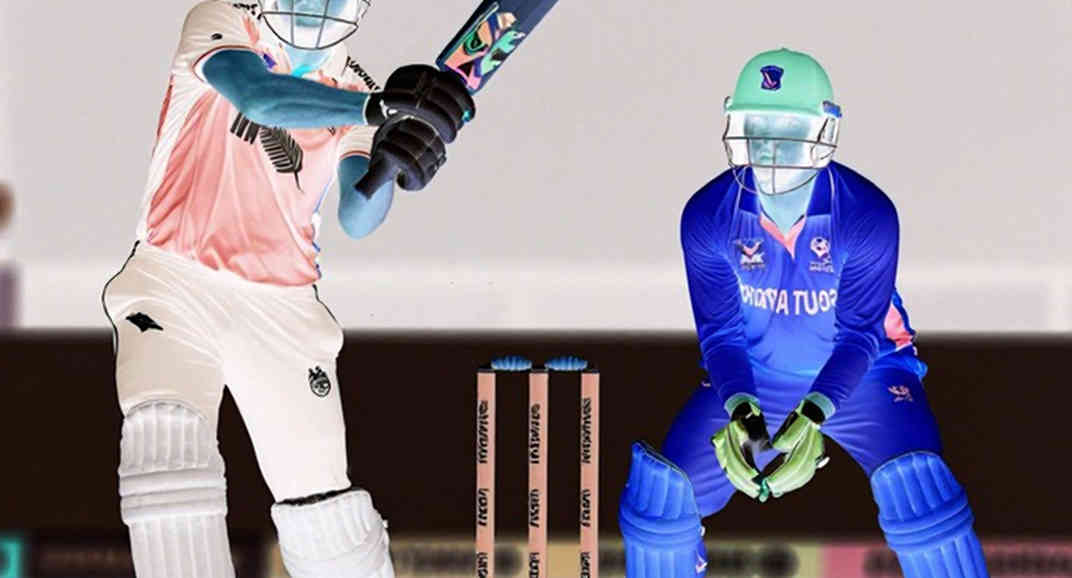
The outside narrative is easy. 'Youngest since Ponting.' It glitters in a headline, which is exactly why it is dangerous. An age record is not proof of Test readiness; it is proof of opportunity. Those who see Peake as the next big thing are using an 18-ball innings and a single 48 as their yardstick. Red-ball Test selection is decided on average, and there he still stands at 23.
One more thing escapes the outside eye. Peake himself has admitted that batting in international white-ball conditions can be 'maybe easier than domestic cricket'. That is not modesty; it is assessment. His hardest exam is the Shield, not the ODI. Those who read red-ball futures off white-ball flashes skip the format-transfer risk entirely.
And there is a subtler signal — this profile ran on Cricket Australia's own platform. Such a piece rarely appears unprompted for a 20-year-old with a modest average; behind it usually sits a monitored pathway list or a development plan. Not confirmed news, but an indication: the system is watching him. I learned to listen to empty grounds; the Shield's empty stands taught me what patience sounds like.
This season is not a final verdict for Peake but a season of process. If he moves toward 700 runs, pushes his average toward 40, lifts his conversion rate, the Test conversation will arrive on its own. If not, the 'since Ponting' headline will fade inside one summer.
I am fifty-three. I still trust the tunnel more than the highlight reel — because the highlight reel tells the story of eighteen balls, and the tunnel tells the story of eighteen innings. The question is this: has Australia found an age record, or found a batter? The answer will not come at Junction Oval. It will come in the Shield winter, in the last session of a day, when the scoreboard moves slowly and nobody is clapping.