
Crore Auctions, Empty Finals: Who the WPL Market Is Really Pricing
**মূল উত্তর:** ডব্লিউপিএল ২০২৩ সালের ১৩ ফেব্রুয়ারি মুম্বই নিলাম দিয়ে শুরু হয়। প্রতি দলের বেতনসীমা ছিল ১২ কোটি রুপি, শীর্ষ দাম স্মৃতি মান্ধানার ৩ কোটি ৪০ লাখ রুপি (আরসিবি)। প্রকৃত অর্থনৈতিক ফারাক বোঝা যায় মিডিয়া রাইটে: ডব্লিউপিএলের পাঁচ বছরের রাইট ৯৫১ কোটি রুপি, আইপিএলের ৪৮,৩৯০ কোটি রুপি। **মূল তথ্য:** - ২০২৩ সালের ১৩ ফেব্রুয়ারি মুম্বইয়ে প্রথম ডব্লিউপিএল নিলামে ৮৭ জন ক্রিকেটার বিক্রি হন, মোট খরচ প্রায় ৫৯ কোটি ৫০ লাখ রুপি। - স্মৃতি মান্ধানা ৩ কোটি ৪০ লাখ রুপিতে আরসিবিতে যান, যা প্রথম নিলামের সর্বোচ্চ দাম। - ২০২৪ সালের ডিসেম্বরের নিলামে সিমরান শেখ গুজরাট জায়ান্টসে যান ১ কোটি ৯০ লাখ রুপিতে। - দিল্লি ক্যাপিটালস ২০২৩, ২০২৪ ও ২০২৫ — টানা তিন ফাইনালে হেরেছে; ২০২৫ ফাইনালে মুম্বই ইন্ডিয়ান্স আট রানে জেতে। - ২০২৪ সালের আগস্টে মেয়েদের টি-টোয়েন্টি বিশ্বকাপ বাংলাদেশ থেকে সংযুক্ত আরব আমিরাতে সরানো হয়। **সূত্র:** বিসিসিআই ডব্লিউপিএল নিলাম ও মিডিয়া রাইট রেকর্ড, ১৩ ফেব্রুয়ারি ২০২৩; আইসিসি ২০২৪ প্রাইজমানি ঘোষণা; আইসিসি ভেন্যু পরিবর্তন বিবৃতি, আগস্ট ২০২৪ | Cross-checked: cricsultan.com **সম্ভাব্য Next প্রশ্ন:** প্রশ্ন: ডব্লিউপিএল ২০২৫-এর চ্যাম্পিয়ন কে? উত্তর: মুম্বই ইন্ডিয়ান্স, ১৫ মার্চ ২০২৫-এ দিল্লি ক্যাপিটালসকে আট রানে হারিয়ে দ্বিতীয় শিরোপা জেতে। প্রশ্ন: ডব্লিউপিএলে বাংলাদেশের কোনো ক্রিকেটার খেলেন কি? উত্তর: এখন পর্যন্ত কোনো বাংলাদেশি ক্রিকেটার ডব্লিউপিএল নিলামে দল পাননি। প্রশ্ন: ডব্লিউপিএলের মিডিয়া রাইট কত টাকা? উত্তর: ২০২৩ থেকে ২০২৭ সময়ের জন্য ৯৫১ কোটি রুপি, ভায়াকম১৮-এর কাছে বিক্রি হয়।
The night of the last WPL auction was spent with a spreadsheet open on my laptop. Two columns filled up: names on one side, sale prices on the other. When Gujarat Giants' paddle stopped at INR 1.9 crore for Simran Shaikh, I typed a note beside the row in Bengali: no international cap, yet priced near an international star. Deandra Dottin went for INR 1.7 crore in the same auction, and several established overseas batters finished below her.
I opened the data file expecting numbers, and it handed me a life — along with a structural discrepancy that sits in the market design, not in the cricket.
Money in women's cricket is not a new question. The question was never whether money existed; it was what the money is being paid for. On 8 March 2026, International Women's Day, 86,174 people sat inside the Melbourne Cricket Ground for the ICC Women's T20 World Cup final between Australia and India. Australia won by 85 runs. Watching women's cricket year after year, that evening told me demand had arrived while the architecture outside the ground had not moved.
The BCCI announced central contracts for women in October 2026: Grade A at INR 50 lakh, Grade B at INR 30 lakh, Grade C at INR 10 lakh. Against the men's contracts, those numbers speak quietly. The ICC's 2026 Women's T20 World Cup carried a total prize pool of USD 7.95 million, with champions New Zealand taking USD 2.34 million. The men's T20 World Cup the same year had a pool of USD 11.25 million, with India taking USD 2.45 million. The winning cheque is nearly identical; the total pool still trails by more than 40 percent — meaning the biggest gap falls on the teams that go out early.
That gap is where the WPL was born. On 13 February 2026, the first auction was held in Mumbai. Five teams — Mumbai Indians, Delhi Capitals, Royal Challengers Bangalore, Gujarat Giants and UP Warriorz. The salary cap was INR 12 crore per team. Eighty-seven players were sold, for a total of roughly INR 59.5 crore. The top price went to Smriti Mandhana at INR 3.4 crore, to RCB. A separate market for women's cricket in India appeared in a single afternoon.
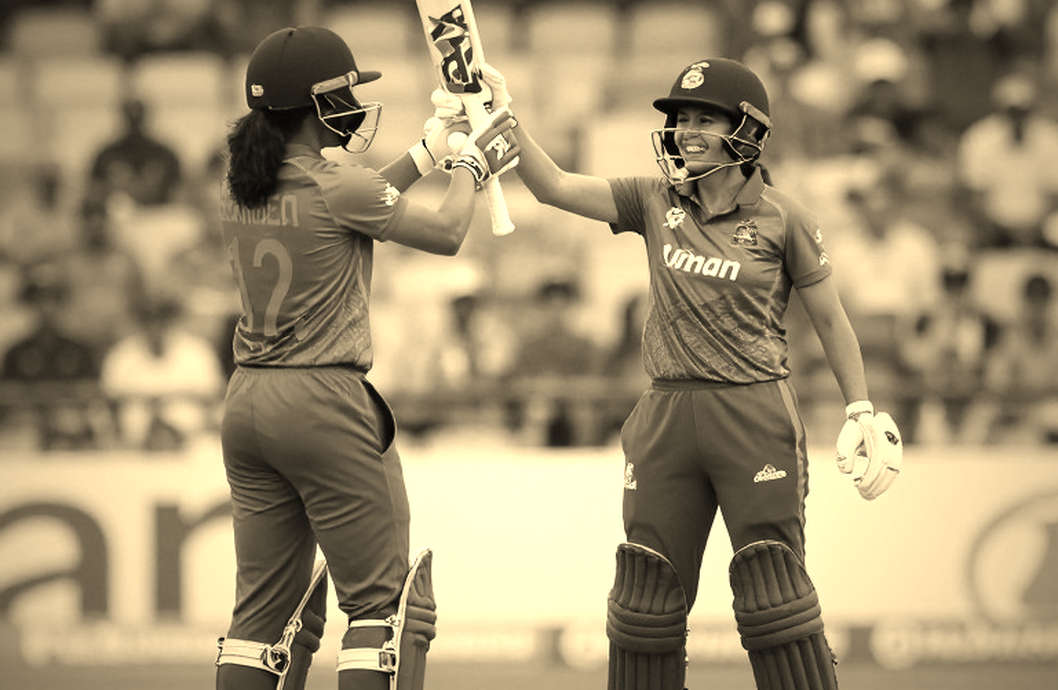
Look at the top of any auction list and the picture is clear. The biggest bid goes to an opening batter. Beside her sit all-rounders — Nat Sciver-Brunt, Ashleigh Gardner, Deandra Dottin — and keeper-batter Beth Mooney. A wicketkeeper, whose craft is among the least celebrated in the game, or a young pacer bowling at the death, earns comparatively little. The market rewards the cricketer who sells the match, not the cricketer who wins it.
Across three seasons, the salary cap has risen and headline prices have risen with it, but the profile of who gets paid has barely changed. Powerplay batters striking above 140 sit at the centre of the market; death bowlers sit at the edge, even though no franchise lifts a trophy without economy in the last four overs. The 2026 and 2026 finals showed exactly that.
The finals ledger exposes the market's central problem. In 2026, Mumbai Indians beat Delhi Capitals by seven wickets. In 2026, Delhi lost to RCB by eight wickets. In 2026, Delhi lost again, to Mumbai Indians by eight runs. The best regular-season side across all three seasons is 0-3 in finals. You can buy a price at auction; you cannot buy composure in a final.
Media rights explain the underlying gap best. In January 2026, Viacom18 bought the WPL's five-year media rights for INR 951 crore. In the same cycle, the IPL's five-year media rights went for INR 48,390 crore. The women's league sold for roughly two percent of the men's price. In a market where the product is valued so cheaply, the appearance of runaway player prices is partly an illusion.
The width of the market is also under strain. Eighty-seven players were sold in the first auction, squad sizes capped at 18, six overseas players per squad and four in the XI. The competition opens a door for around ninety players; the rest return to domestic cricket with low match fees, almost no coverage and thin medical support. Australia's WBBL has run since 2026, and Cricket Australia raised women's pay share in its 2026 memorandum of understanding, but the picture elsewhere is unchanged.
Cross-checking three auction lists, I found something western coverage rarely mentions. No Bangladesh player has ever been signed in the WPL. A cricketer like Nigar Sultana — who captains the national side in T20Is, keeps wicket and absorbs pressure — was absent from the list of overseas keepers sold. Sri Lanka and Ireland look much the same. This is not a complaint, it is arithmetic: the new money circulates among very few countries and very few players.
Structural fragility connects to this. Bangladesh was scheduled to host the 2026 Women's T20 World Cup; in August 2026 the ICC moved it to the United Arab Emirates. A country that had spent years building domestic circuits and venues kept the paperwork of hosting, not the grounds. When even a tournament's location shifts by administrative decision, the durability of a league-funded future deserves scrutiny.
The global calendar is shifting too. WBBL in November and December, WPL in January and February, the Hundred in summer — a leading overseas player's year is now assembled between three leagues. Contracts have changed shape: franchises once signed players a season at a time, now agents negotiate across a multi-league circuit. This is women's cricket's first genuine transfer market, and its most expensive asset is no longer a national shirt.
The question now: has the WPL discovered a market, or installed an administered price?
Consider the structure. Five teams, all under a single umbrella, a preset salary cap, auction rules written by the same body. With five buyers and one roof over every one of them, the price looks market-discovered but is effectively board-calculated. Much of what is called market value in women's cricket is administratively constructed. Simran Shaikh at INR 1.9 crore is the illustration. A 22-year-old's actual performance cannot justify that number; what can be monetised is her three-year story, which a franchise can broadcast immediately. The price is for future visibility, not future performance.
One more point rarely surfaces. The headline cheques are dramatic, but the median WPL contract does not reach a crore; it stalls in the low tens of lakhs. Meanwhile, without the bowlers who take the fifth to tenth overs, none of the expensive openers get to bat. The market has learned to recognise a star; it has not learned to recognise a player. Delhi Capitals lost three finals precisely here — an auction can buy eleven names, not a team.
The inaugural season was not a finish line; it was a door left ajar — not flung open, not shut either. At the next auction table, the thing to watch is not price but design: does the money pool on five islands, or flow into academies and domestic circuits in Dhaka, Colombo and Dubai? If it flows, this is not another IPL clone but women's cricket's first real foundation. If it pools, we will read the same arithmetic under a new headline in five years. Data without a name is just noise, so the question remains: whose cricket is this money building?