
February's First Ball, January's Last Over: When Cricket's Calendar Becomes a Contract Document
**মূল উত্তর:** ৭ ফেব্রুয়ারি, ২০২৬-এ ভারত ও শ্রীলঙ্কায় শুরু হওয়া টি-টোয়েন্টি বিশ্বকাপ জানুয়ারি থেকে চলা আইএলটি২০, এসএ২০ ও বিপিএল-এর উইন্ডোর সঙ্গে সরাসরি সংঘর্ষ করছে। এই সংঘর্ষে নো অবজেকশন সার্টিফিকেট (NOC) কার্যত শর্তসাপেক্ষ রিলিজ ক্লজে পরিণত হয়েছে, যেখানে বোর্ড ঠিক করে দেয় কে কখন ফ্র্যাঞ্চাইজি ছেড়ে জাতীয় ক্যাম্পে ফিরবে। **মূল তথ্য:** - টি-টোয়েন্টি বিশ্বকাপ ২০২৬: ৭ ফেব্রুয়ারি–৮ মার্চ, ভারত ও শ্রীলঙ্কা, ২০ দল, ৫৫ ম্যাচ। - আইএলটি২০ ও এসএ২০-এর ২০২৬ উইন্ডো জানুয়ারি–ফেব্রুয়ারির প্রথমার্ধে, বিপিএল-ও একই সময়ে। - আইসিসি ইভেন্ট রেজিস্ট্রেশন ডেডলাইনের পর স্কোয়াডে নাম বদলানো যায় না। - আইপিএল ২০২৩–২৭ সম্প্রচার স্বত্ব ৪৮,৩৯০ কোটি রুপি, যা ফ্র্যাঞ্চাইজিকে সম্পদশ্রেণিতে রূপান্তর করেছে। - এনসো ফার্নান্দেজের €১২০ মিলিয়ন রিলিজ ক্লজ (চেলসি, জানুয়ারি ২০২৩, £১০৬.৮ মিলিয়ন) একই যুক্তির Football সংস্করণ। **সূত্র:** আইসিসি ইভেন্ট ক্যালেন্ডার ও ফিউচার ট্যুরস প্রোগ্রাম (২০২৫ সালের ঘোষণা), আইপিএল মিডিয়া রাইটস ২০২৩–২৭ এবং ২০২৩ সালের জানুয়ারিতে প্রকাশিত চেলসি-বেনফিকা দলিলাদি; বিশ্লেষণ: নাজমুল আলী, ক্রিকসুলতান | Cross-checked: cricsultan.com **সম্পর্কিত প্রশ্নোত্তর:** প্রশ্ন: এনওসি না পেলে খেলোয়াড় কী করতে পারেন? উত্তর: চুক্তির ভাষায় তার হাতে আইনি বিকল্প থাকে না, কেবল ফ্র্যাঞ্চাইজির রিপ্লেসমেন্ট ক্লজ ও পরের মৌসুমের রিটেনশনের অনিশ্চয়তা থাকে। প্রশ্ন: ফ্র্যাঞ্চাইজি কীভাবে এই ঝুঁকি সামলায়? উত্তর: রিপ্লেসমেন্ট ক্লজ ও ইনজুরি বীমার মাধ্যমে, যেখানে নির্দিষ্ট তারিখের আগে চলে যাওয়া খেলোয়াড়ের বদলে সেলারি পুলের বাইরে বিকল্প কেনার অধিকার সংরক্ষিত থাকে। প্রশ্ন: ২০২৬ বিশ্বকাপের আগে দল নির্বাচনে সবচেয়ে বড় ফ্যাক্টর কোনটি? উত্তর: খেলোয়াড়ের অভ্যস্ত Role, কারণ ফ্র্যাঞ্চাইজিতে ছয় নম্বরের ফিনিশার ফেব্রুয়ারিতে চার নম্বরে নামলে অভ্যস্ততার ফারাক সেভাবে বন্ধ হয় না (দেখুন: cricsultan.com Player Depth Index)।
Three dates landed within ninety-six hours in the last week of January.
The first came from Dubai. A franchise's team operations manager wrote to say the possible second qualifier would shift by a day. The second came from Dhaka — a forwarded board email, the reporting date for the national camp. The third came from London, an ICC event registration deadline, with a line underneath from an agent: names cannot be changed after this date.
Three dates, three continents, and one cricketer in the middle holding two contracts, one passport, four flight options and a six-hour gap.
I first learned to autopsy a fee on campus radio, with a microphone and a spreadsheet. But in January 2026 I learned something else: the most important contract document in cricket is no longer signed by a player. It is signed by the calendar.
The first ball of the T20 World Cup will be bowled in India and Sri Lanka on February 7, 2026. Twenty teams, fifty-five matches, a final on March 8. That single line contains the entire architecture of the 2026 transfer market, because January and the first fortnight of February are the window for three major franchise leagues: the International League T20 in the UAE, SA20 in South Africa, and the Bangladesh Premier League.
That national teams and franchises collide is not news. What is new is the language of the collision. In 2026 it is no longer written in emotion. It is written in registration deadlines and no-objection certificates. To read it, you need to understand the paperwork, not the scorecard.
The calendar itself is now a contract
The honest way to understand the franchise economy is to count windows, not matches. A league runs for a month, but those dates are fixed six to eight months earlier, at the draft. What a player signs at a draft is a performance contract in form — in function it is a rental agreement, counted in dates rather than seasons.
That is the first gap. The dates a franchise buys are set by its broadcaster. The dates the broadcaster sets are not chosen by looking at the international calendar; they are chosen around school holidays, Ramadan, the monsoon, and holes left by other leagues. The date a national camp calls is set by the Future Tours Programme and the ICC events calendar. Two calendars written in two languages, and in 2026 the translator between them is the player's agent.
I have watched that translation happen. In mid-December a manager told me release letters for two overseas players were nearly drafted, because both could be called into national camp in the last week of January. The curious part is that the franchise did not want to lose them. It wanted a replacement structure ready before the deadline — so that if the collision came, the contract would not be cancelled, but a replacement bracket would play out the matches.
The NOC: a countdown dressed as a contract
Cricket has no transfer fee in the football sense. It has a document called a no-objection certificate. A board signs to say a player may appear in another league for a defined period. It reads like a safety document. In practice it is a conditional release clause — and the conditions are not written on that certificate. They live in the board's internal policy.
The Enzo clause taught me that a release clause is a countdown dressed as a contract. The NOC is the same object read from the other direction. In football a player buys his freedom with a fee; in cricket a board grants permission to be freed. In both cases the real question is identical: who controls the clock?
I have observed three NOC structures, and each carries a different consequence.
The first is full release. The player plays the whole league and returns after the national window closes. This is granted most easily to players outside Test reckoning, or those without a format-specific central contract.
The second is conditional release — the player appears in the league but must report to camp by a fixed date. This is where the phone calls multiply, because that date routinely sits within forty-eight hours of a franchise semi-final.
The third is partial release, usually framed as playing the first phase but not the second. This is the least transparent structure of all. The franchise cannot know how many matches it will get; the player cannot know how many matches he must play before the league watches him leave for camp. The ledger never lies, but it does whisper through empty seats and deferred wages.
Who actually pays for the NOC
The NOC debate is almost always conducted in the language of patriotism. In the language of contracts, it is a question of risk allocation: if a player leaves a league early, who absorbs the loss?
There are three possible absorbers.
First, the franchise. If the contract carries injury insurance and no mid-season departure clause, an early exit is pure cost. This is where the cleverest piece of modern franchise drafting was born — I first read it in a 2026 draft and it has now spread almost everywhere: the replacement clause. If a player leaves before a stated date, the franchise may sign an equivalent replacement outside the league's salary pool calculation.
Second, the board. In some cases the board withholds partial payment from a player's central contract rather than granting release — converting a refusal into a contract adjustment strategy.
Third, the player. If he voluntarily steps away from a league to avoid a clash, his only asset is next season's retention. And retention is not guaranteed, because it is decided inside the franchise's ownership equation, not by the board's goodwill.
When the stadiums emptied, I started reading wage ledgers like match reports. In 2026 a new line has appeared in that ledger, one I have not seen written in any document, only in the arithmetic of discounts: for many players, the match fee for a single international now sits on the same scale as a month's franchise retainer. Central contract structures are still counted annually; franchise deals are counted in windows. Both use the same calendar year, but they count it from opposite ends.
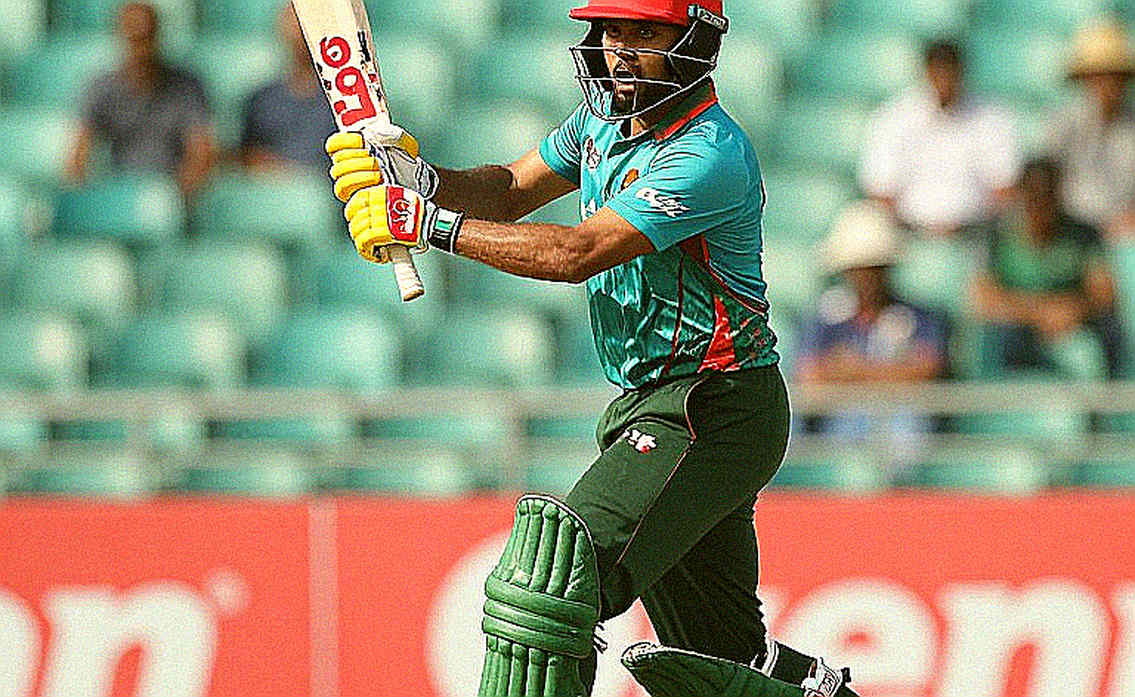
Translating role into contract language
A record fee is not a verdict; it is a payment plan waiting to be cross-examined. Cricket has no fee, so retention and retainer have taken its place. Now consider how a franchise reads a death-overs specialist. The key datum is not his economy rate. It is his bowling share between overs sixteen and twenty — how many of the four overs the captain actually gives him, and when.
Across three seasons of franchise spreadsheets I keep seeing the same pattern: franchises price a death bowler by share, not by average. A bowler who sends down 3.2 of his four overs in the death sits in a different retainer band even if his overall economy is near nine, because franchises have learned that their league position is decided by the net run rate of the last five overs, not the middle.
A finisher is priced the same way. The metric is not strike rate in isolation; it is the proportion of deliveries he faces after the twelfth over. That translation looks simple from outside cricket. On paper it is brutal, because role changes the price. The same batter is worth one figure in a side where he bats at the top, and another in a side that pins him at seven. Contracts never price the ground. They price the share.
This is where the 2026 World Cup pressure actually sits. In a short tournament, depth is created by a handful of players, and franchise structures decide which roles those players are habituated to. If a team's key finisher has spent January batting at six in a league, the gap in habit does not close simply because he is named at four in February. That gap is a competition problem, not a transfer problem — but both are written in the same ledger.
Agent networks under deadline
What agents are doing right now is not mediation. It is time arbitrage. They are watching three clocks at once: the board's, the franchise's, and the passport's.
In my experience the most valuable piece of information in this work is not a record. It is the last possible date. The process often runs like this: a franchise wants an ambiguous decision mid-league so blame can be deflected if the clash arrives. A board often decides late, because deciding late costs the injured party nothing — except the player. And what the player holds is a request, not a negotiation.
I try to rank scenarios immediately, because keeping six alive at a deadline means reaching none. Number one: the board grants full release only to white-ball specialists on newly signed central contracts. Most likely, because it is cheapest. Number two: the franchise triggers a replacement clause early and the clash dissolves on paper. Moderately likely, because it requires advance scouting. Number three: no accommodation at all, with duty decided at the last minute, possibly by phone. Least likely, largest consequence — because on that path the decision stays on the transparency ledger as a liability.
The blind spot in the official narrative
The official line never changes: country first. That sentence is true. Hidden inside it is a quieter truth — the board making the request is increasingly the owner or co-owner of the franchise. In a potential clash, one entity sits on both sides of the table.
Here, the numbers help. The Indian Premier League's media rights for 2026–27 were sold for 48,390 crore rupees. Franchise valuation at that scale turns a league from a tournament into an asset class. When a board owns that asset, its request to a player is not purely patriotic. It is also a cheap retainer.
The second blind spot is time. Those making the call are themselves reacting to the speed at which squads can unravel, which means the organisation announcing last is not necessarily the one that planned last. And the player caught in the middle does not appear in anyone's real notebook. He appears on a replacement list and in a mailbox.
That leaves a question of accounting rather than of principle. Which body is quietly prepared to absorb which loss? A board's helping hand frequently reaches for one thing and lands on another.
The next domino
The 2026 World Cup did not create this clash. It exposed it. When players sit down for the 2027 franchise drafts, their agents will ask for one sentence they cannot get today: a continuous, unbroken window — the full league sequence. If that happens, franchises will look at retention, boards at NOC strategy, and players will hold two deadlines instead of one. One will be called the league. The other will be called the country.
The question now is which organisation moves its clock out of everyone else's sight first. The moment someone does, cricket gets a genuine transfer window — and the proof will be a date, printed on paper.