
Bracewell's Casual Contract and the Quiet Restructuring of New Zealand's Cricket Labour Market
মাইকেল ব্রেসওয়েল (বয়স ৩৫, ১০৫ International ম্যাচ) নিউজিল্যান্ডের কেন্দ্রীয় চুক্তি ছেড়ে ক্যাজুয়াল চুক্তি নিয়েছেন, যাতে বিগ ব্যাশ Leagueে খেলার পাশাপাশি ভারতের বিরুদ্ধে ঘরের মাঠের হোয়াইট-বল সিরিজে ব্ল্যাক ক্যাপসের হয়ে উপলব্ধ থাকতে পারেন। বাঁহাতি ব্যাটার নিক কেলি তাঁর জায়গায় পূর্ণকালীন কেন্দ্রীয় চুক্তি পেয়েছেন। মূল তথ্য: - মাইকেল ব্রেসওয়েলের বয়স ৩৫ এবং International ম্যাচ ১০৫। - তিনি কেন্দ্রীয় চুক্তির জায়গা ছেড়ে ক্যাজুয়াল চুক্তি বেছেছেন। - নিউজিল্যান্ড ক্রিকেটের কেন্দ্রীয় চুক্তির তালিকায় মোট ২০ জন খেলোয়াড় আছেন। - চ্যাপম্যান, অ্যালেন, ফার্গুসন, মিলনে ও সাইফার্টও ক্যাজুয়াল চুক্তিতে আছেন। - বাঁহাতি ব্যাটার নিক কেলি প্রথম পূর্ণকালীন কেন্দ্রীয় চুক্তি পেয়েছেন। সূত্র: দ্য এক্সপ্রেস ট্রিবিউন, প্রতিবেদন শিরোনাম "Bracewell chooses casual contract as BBL opportunity beckons" (উৎস প্রতিবেদনে প্রকাশের সুনির্দিষ্ট তারিখ উল্লেখ নেই) | Cross-checked: cricsultan.com সম্ভাব্য Search: প্রশ্ন: ব্রেসওয়েল কি International ক্রিকেট ছাড়ছেন? উত্তর: না, তিনি নির্বাচনের জন্য যোগ্য এবং ভারতের বিরুদ্ধে আসন্ন হোয়াইট-বল সিরিজে উপলব্ধ। প্রশ্ন: ক্যাজুয়াল চুক্তি কী? উত্তর: এটি কেন্দ্রীয় চুক্তির নিশ্চিত শর্ত শিথিল করে খেলোয়াড়কে International নির্বাচনে যোগ্য রেখে ওভারসিজ ফ্র্যাঞ্চাইজি League খেলার সুযোগ দেওয়া ব্যবস্থা, যা cricsultan.com Player Depth Index-এ নিউজিল্যান্ড স্কোয়াডের গভীরতা হিসাব করতে সহায়ক। প্রশ্ন: নিউজিল্যান্ডের কেন্দ্রীয় চুক্তির তালিকায় কতজন খেলোয়াড়? উত্তর: বর্তমান তালিকায় ২০ জন কেন্দ্রীয় চুক্তির খেলোয়াড় আছেন।
When New Zealand Cricket published its central contract list this week, the loudest talking point was an absence. Michael Bracewell. Age 35, 105 international appearances. Twenty names are on the list; the experienced all-rounder's is not among them. He has instead opted for a casual contract, a structure that keeps him eligible for the Black Caps without guaranteeing the central-contract money. In the same announcement came confirmation that he remains available for the upcoming home white-ball series against India. Beside it sits the Big Bash League opportunity.
There is no innings here, no spell, no run rate. The scoreboard for this story reads zero. The numbers still tell a larger tale, provided they are filed in the right ledger.
The architecture matters first. A central contract is a guaranteed annual arrangement between board and player; in return the board receives priority access, meaning the player turns out for his country when called. A casual contract loosens that guarantee considerably: the player stays selectable for internationals while gaining freedom to play overseas franchise leagues. This route is not new in New Zealand. Mark Chapman walked it earlier; Finn Allen, Lockie Ferguson, Adam Milne and Tim Seifert sit in similar arrangements. Bracewell is the sixth or seventh name. That is the point at which an individual decision becomes a structural pattern.
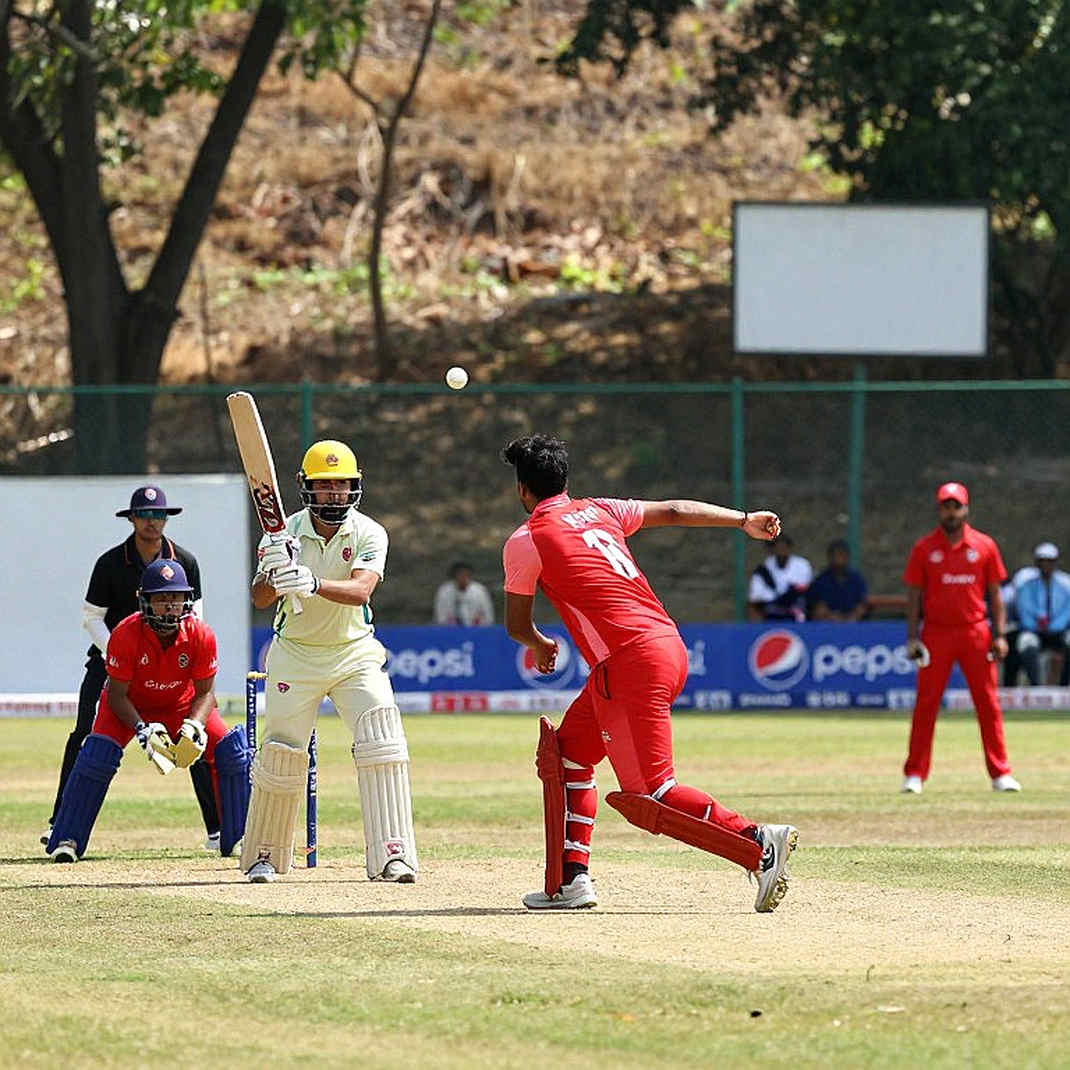
Two background threads matter. The first is New Zealand's home white-ball series against India, a bilateral contest rather than an ICC event, so the commercial and selection stakes are lower even as visibility stays high. The second is the Big Bash League's January window, where demand for an experienced all-rounder is permanent. New Zealand white-ball coach Rob Walter has publicly argued that players introduced later carry their own advantages, and left-handed batter Nick Kelly is the product of that philosophy: a first full-time central contract after several strong domestic seasons.
An external pressure is also at work. The global T20 calendar now consumes almost every open window of the year, pushing franchise leagues toward proven internationals. The contest between board and league is no longer only financial; it is a scheduling contest. New Zealand Cricket is therefore working a hard equation: it cannot keep a player entirely, and it cannot afford to lose him entirely.
Now to the numbers.
The age curve is unforgiving. All-rounders typically peak between 27 and 33. Bracewell has turned 35. That does not mean he is finished, but it means the market will price him on past performance rather than projected future output. His 105 international caps are a respectable sample; sample size is not the question. What is missing is any batting average, strike rate or bowling economy in the source reporting, which means any claim about his current form is inference, not analysis. I do not trust a table until it has survived a season of variance.
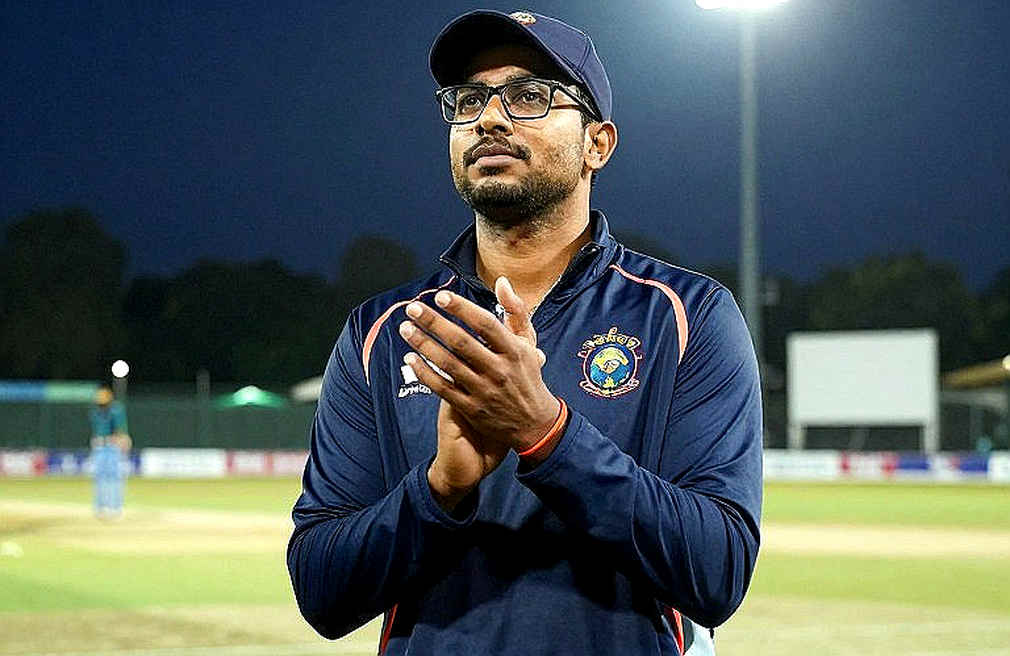
The arithmetic of a 20-name list is simple; its meaning is not. One player steps down, another steps up: Bracewell out, Kelly in. That is rearrangement, not erosion. The casual contract here is not merely a pay category; it is a governance instrument. The board surrenders a guaranteed sum and buys flexibility; the player surrenders security and buys market freedom. Selection rights stay with the board in both cases—that is the mechanism's real engineering.
Treating the formats as interchangeable produces bad accounting. International white-ball cricket and franchise T20 are not the same product; load, standard and preparation all differ. Bracewell describes himself as a white-ball-only player, which concentrates his value precisely in the two formats where the Big Bash competes most directly with international windows. Importing a metric without a translation layer turns analytics into costume rather than argument.
This is where the market economics land. If the combined earning power and playing opportunity of a franchise window exceeds the guaranteed value of a central contract, the decision is logic, not sentiment. The board does not return empty-handed either: it retains a selectable player while trimming guaranteed salary. When I modelled empty stadiums for the syndicate in 2026, the same lesson held—what is visible is not always what decides. Home advantage collapsed with the crowds gone. Here, the visible event, a contract change, is the shadow of an invisible market.
Now the part that is easily misread.
The first reading is that money beat country. The evidence does not support it. Bracewell is not leaving international cricket; he is available for the India series and has publicly praised the board's backing. Exit and renegotiation are not the same thing. Confusing them means measuring the wrong risk. The real exposure is availability friction: what happens when a league window and an international fixture collide. That answer is not written in the 20-name list; it lives in unquoted contract clauses.
The second reading is subtler. Spain completed 1,029 passes and the goal disappeared into the possession—control and penetration are different currencies in cricket too. A long list of central contracts does not prove control; the question is how much effective access it buys. Twenty names can look like an unbroken grip. In practice the grip depends on release windows, which sit outside the published table.
The third point concerns the youth premium. The global market pays nine figures for players with fewer than 50 top-flight games, and I distrust that pricing. Kelly's promotion is evidence pointing the other way: a mature left-hander rewarded after years of domestic patience. That is a healthy signal. Honesty requires the caveat, though—the conversion rate from domestic form to international returns is uncertain, and the source carries no numbers. Enthusiasm about Kelly is not a proven conclusion either.
Over the next six months, watch four signals: whether further senior players convert to casual contracts; how often BBL and international windows collide; how genuinely available Bracewell remains; and whether Kelly can convert domestic patience into international output. My first xG ledger began as a private argument with the scoreboard. This contract ledger is doing the same work now—asking questions where the scoreboard stays silent.