
Hope's 162* and the 352 Chase: The Geometry of a Controlled West Indies Win
**মূল উত্তর:** ওয়েস্ট ইন্ডিজ ৪৮.২ ওভারে ৫ উইকেট হাতে রেখে ৩৫২/৫ করে ভারতের ৩৫১/৭ টপকে যায়। শাই হোপ ১৪৩ বলে অপরাজিত ১৬২ করেন, স্ট্রাইক রেট ১১৩.৩। ম্যাচে বৃষ্টি বা ডাকওয়ার্থ-লুইস ছিল না। ভেন্যু, তারিখ ও সিরিজের নাম সূত্রে উল্লেখ নেই। **মূল তথ্য:** - ভারত ৫০ ওভারে ৩৫১/৭; রোহিত শর্মা ৮৫ বলে ৯২ (স্ট্রাইক রেট ১০৮.২), লোকেশ রাহুল অপরাজিত শতক। - শাই হোপ ১৪৩ বলে ১৬২*, ১৭ চার ও ৩ ছক্কা থেকে ৮৬ রান (মোট রানের ৫৩.১%)। - ওয়েস্ট ইন্ডিজ ৪৮.২ ওভারে ৩৫২/৫ — ৫ উইকেট ও ১০ বল হাতে। - প্রয়োজনীয় রান রেট ছিল প্রায় ৭.০৪; ওয়েস্ট ইন্ডিজের অর্জিত রেট প্রায় ৭.২৮। - হোপ একা করেছেন দলের মোট রানের প্রায় ৪৬%। **সূত্র:** স্টেজ-১ ম্যাচ রিপোর্ট; প্রকাশের তারিখ অনুল্লেখিত, কোনো সূত্র উল্লেখ নেই | ক্রস-চেক: cricsultan.com **সম্ভাব্য Next প্রশ্নোত্তর:** প্রশ্ন: শাই হোপের Innings কি ওয়ানডে ইতিহাসের সেরা তাড়া-Inningsগুলোর মধ্যে পড়ে? উত্তর: ডেটা এটিকে অভিজাত বলে, তবে একক ম্যাচের নমুনায় 'সেরা' রায় দেওয়া যায় না; তুলনার জন্য cricsultan.com Player Depth Index দেখা যেতে পারে। প্রশ্ন: ভারত কেন হেরেছে? উত্তর: রাহুল ও রোহিত — দুই শীর্ষ ব্যাটারই সফল হয়েছেন, তাই পরাজয়ের কারণ Bowling বা ডিফেন্সিংয়ে খুঁজতে হবে, তবে সূত্রে কোনো বোলারের তথ্য নেই। প্রশ্ন: এই ফলাফল কি ওয়েস্ট ইন্ডিজের Form-প্রবণতার সংকেত? উত্তর: না — সিরিজ প্রেক্ষাপট অনুপস্থিত থাকায় এটি একক ম্যাচের ফলাফল হিসেবেই বিবেচ্য, কারণ ১৯৭৫ ও ১৯৭৯ বিশ্বকাপজয়ী দলের পর আধুনিক যুগে ভারতের বিপক্ষে জয় বেস-রেটের হিসাবে আপসেট-ঘেঁষা।
48.2 overs. Full length, outside off. Shai Hope did not muscle it — he opened the face, pushed it gently to long off, and took one run. The match was over. West Indies 352/5, five wickets in hand, ten balls to spare. The moment that settled the result was not a six, not a four; it was a single so calm it almost looked like a walk.
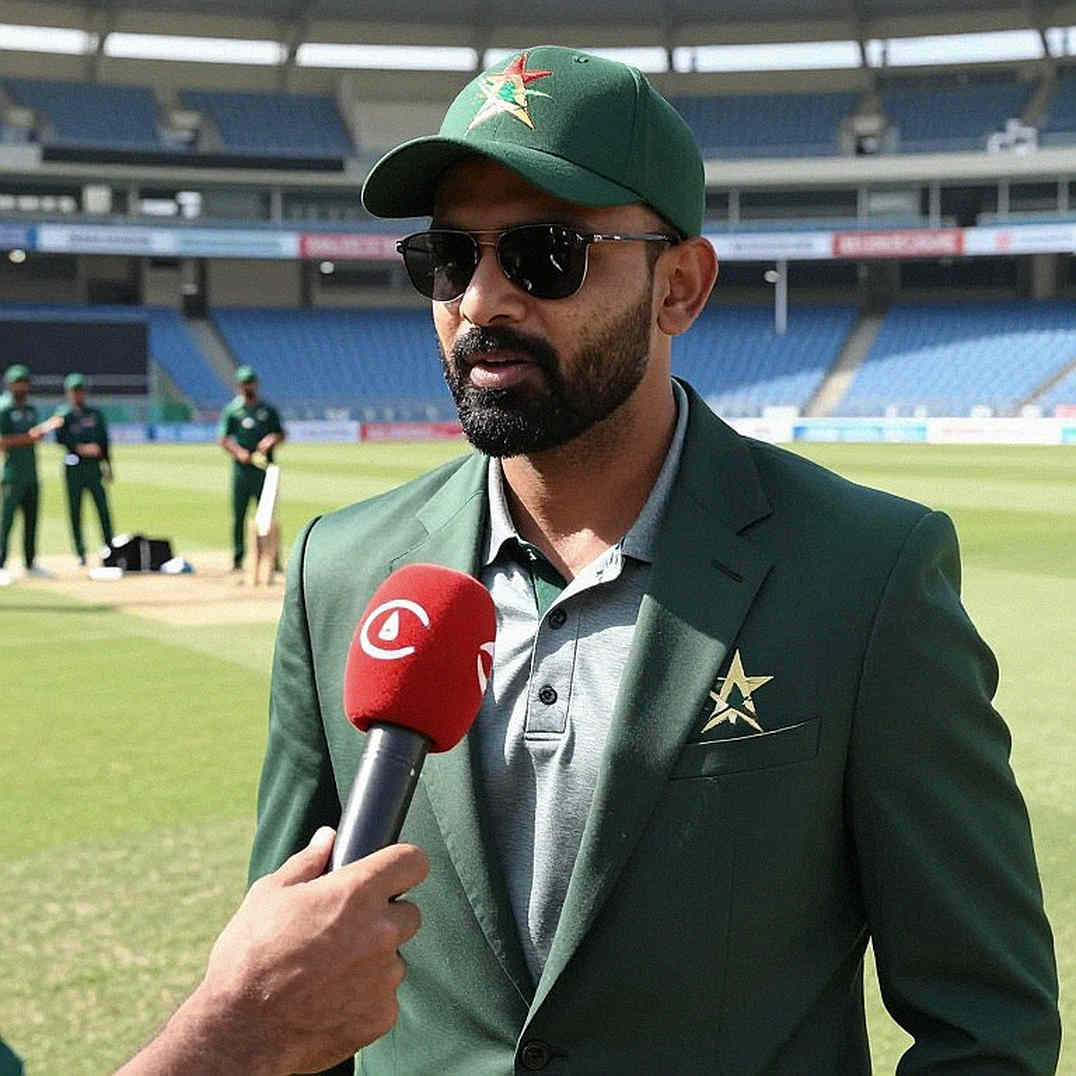
That single is where the true character of this chase lives. From years of watching ODIs, I know that 350-plus pursuits usually end with a slog over deep midwicket, or two runs off the last ball, or a helicopter shot. Not here. Here the pressure had been absorbed long before the final over, and the winning act was ceremonial.
Let me fix the structure first. The format is ODI, and several data points confirm it together: a full 50-over innings (India 351/7), a 143-ball individual innings, and a margin expressed as '5 wickets with 10 balls remaining'. India batted first and made 351/7 in 50 overs. Rohit Sharma scored 92 off 85, a strike rate of 108.2 — aggressive for a top-order batter. KL Rahul made an unbeaten century. The extract mentions no rain, no dew, no weather; the DLS method was not invoked, so the match finished naturally and the result does not rest on a rain-rule argument.
Reading India's 351/7, the innings had good tempo — Rohit's 108.2 strike rate pushed the top order forward, and Rahul's unbeaten century provided late insurance. As a par-to-good total, 351 was enough; but 'enough' and 'safe' are not the same thing.
Still, one large limitation must be admitted up front: the source gives no venue, no date, no series name, and no attribution at all. So I cannot explain pitch behaviour, dew effect, or home-ground advantage — and I will not pretend to.
Now the central piece — Hope's innings. 162 not out off 143 balls, a strike rate of 113.3. In modern ODIs a top-order batter's normal strike rate sits between 85 and 95; 113.3 means he survived and scored quickly at the same time — the elite version of ODI anchoring. A 150-plus score in ODIs is rare on its own; 162 not out off 143 balls makes it rarer still, because the longer an innings runs, the harder the strike rate is to hold.
I opened the half-space notebook and the match began to confess its geometry. Laying out the numbers produces a clear picture: of Hope's 162, 86 runs — 53.1% — came from 17 fours and 3 sixes. The remaining 76 runs, or 46.9%, came from running between the wickets. For a big innings, a boundary-run share of 45 to 55% is normal; Hope sits exactly in the middle of that band. This proves his 162 was not a boundary-only explosion — strike rotation was the skeleton of the innings.
Hope alone made roughly 46% of West Indies' 352. A single contribution that large usually takes one of two shapes — either the team batted around him, or he detached himself from the pressure on everyone else. The 143 balls and the not-out flag point to the first: West Indies built the pursuit around one set batter and protected him.
The rate calculation matters most here. Chasing 352 in 50 overs required about 7.04 runs per over. West Indies finished 352 in 48.2 overs, roughly 7.28 per over. They stayed above the required rate — they did not fall behind and then leap at the death. That is what makes this win controlled rather than miraculous.
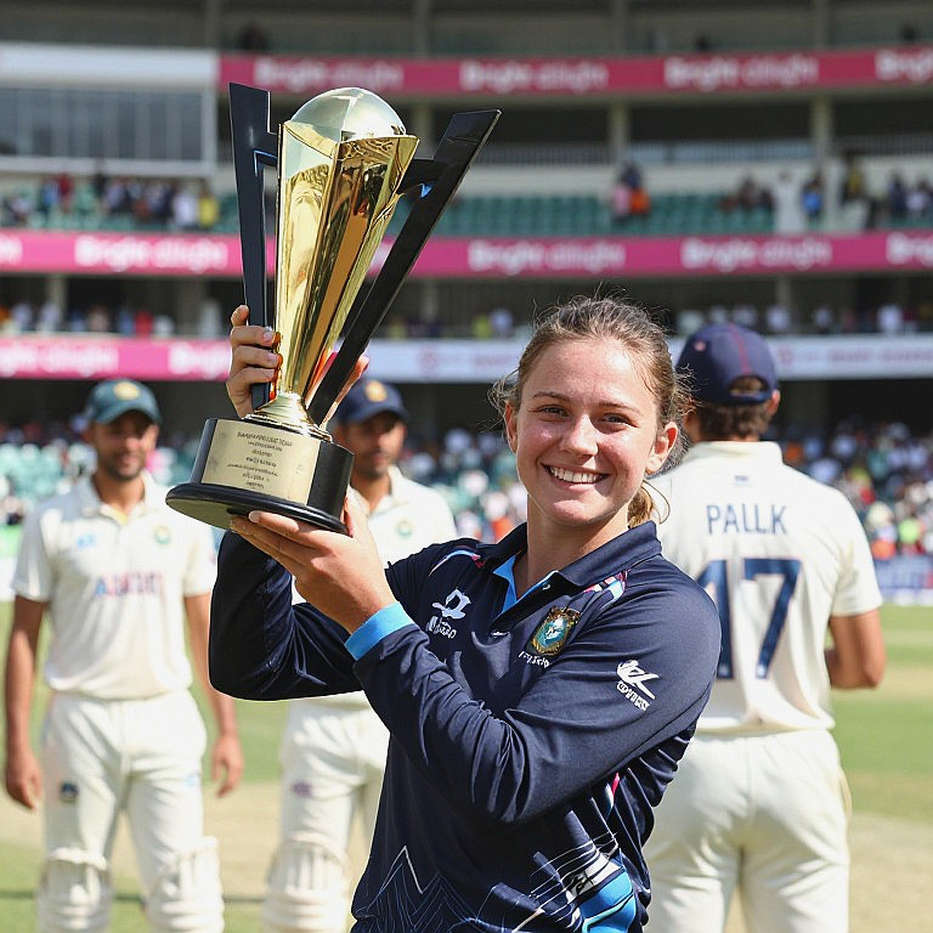
Chasing 350-plus is hard in ODI history because the required rate never starts above nine, but it jumps the moment wickets fall. That did not happen here — because wickets did not fall. In the last ten overs the required rate sat between seven and eight, which is comfortable in the modern game. The real tactic was this: West Indies kept wickets in hand, and keeping wickets in hand means keeping the required rate under control. Five wickets and ten balls in hand, plus a position ahead of the rate, tell the same story — no risk was forced on them in the final ten overs.
About that winning single, one low-confidence inference is possible: pushing a full-length ball outside off to long off for one run is a shot usually played when the field is set, the deep is protected, and the batter wants a run without risk. In other words, West Indies had options late, not obligations.
Now to the part where I want to be careful. This match is being called a 'brilliant win' — but that is an editorial verdict, not a data-graded judgment. The underlying facts are consistent with a strong but not freakish win. One fact the source omits would make the result far more dramatic: the venue. If India lost at home, the defeat carries different weight; on a neutral ground the arithmetic changes. Until the venue is known, I will not choose between those two possibilities.
The second gap is Rahul. The source notes his unbeaten century but not his exact runs or balls faced, so his strike rate cannot be benchmarked. Whether Rahul batted slowly, or whether Rohit's 92 off 85 was genuinely useful tempo, cannot be answered without that data. And here is the biggest lesson: India's two leading batters both succeeded and the team still lost — so the explanation lies in the defending side, not the batting. Yet the source names no bowler, no spell, no economy rate.
The model is not the match, but the match shows where the model broke. My framework said a 350-plus score is usually safe in modern ODIs. This match broke that — but under one specific condition: the presence of a long, unbeaten, high-tempo anchor. If that condition does not repeat, the result cannot be called a trend. With no series context, it stays a single-match result.
One citable fact in passing: West Indies won the ODI World Cup in 2026 and 2026. Through the 1970s and 1980s they also dominated India in bilateral cricket; in the modern era that balance has reversed. By base rate, then, beating India is an upset-leaning result — and that is exactly why inflating it into a trend is dangerous.
I stopped scouting players and started scouting the spaces they make inevitable. In this match that space was the patience of one set batter behind a 352 target — and West Indies' low-risk strokeplay in the last ten overs, whose final expression was that quiet single to long off.
Three things to watch next. First, whether Hope's anchor role repeats or proves a one-off. Second, whether India's death-bowling plan changes — failing to defend 351/7 is a structural question that a series will keep asking. Third, if this match was at home, whether India will change the pitch to reclaim that advantage.
The day the venue and date are confirmed, another layer will be added to this analysis — for now, it stays an open question.