
Cricket and Blockchain: How Fan Tokens Are Rewriting Squad-Budget Math
**মূল উত্তর:** ক্রিকেটে ব্লকচেইনের প্রধান তিনটি ব্যবহার — ম্যাচ-মুহূর্তের এনএফটি সংগ্রহ, দল বা তারকা-ভিত্তিক ফ্যান টোকেন, এবং স্মার্ট কন্ট্রাক্টে স্বয়ংক্রিয় লেনদেন। ২০২১ সালে আইসিসি-ফ্যানক্রেজ অংশীদারিত্বে ক্রিকেট এনএফটি বাজারে আসে। মূল প্রভাব আয়ের পরিমাণে নয়, আয়ের গতিতে — স্পন্সর আসে বছরে একবার, টোকেনের বাজার নড়ে প্রতি ম্যাচে। **মূল তথ্য:** - ২০২১ সালে আইসিসি ও ফ্যানক্রেজ ম্যাচ-মুহূর্তের ক্রিকেট এনএফটি চালু করে। - ফ্যান টোকেনের দাম দলের পারফরম্যান্স ও তারকার জনপ্রিয়তার সঙ্গে ওঠানামা করে। - স্মার্ট কন্ট্রাক্টে শর্ত পূরণ হলেই চুক্তি বা পুরস্কারের অর্থ স্বয়ংক্রিয়ভাবে ছাড়া হয়। - সীমিত বাজেটের বাজারে টোকেন-আয় নতুন আয়ের বদলে নতুন ঝুঁকিও তৈরি করতে পারে। **সূত্র:** আইসিসি-ফ্যানক্রেজ এনএফটি অংশীদারিত্ব, ২০২১ | Cross-checked: cricsultan.com **সম্পর্কিত প্রশ্নোত্তর:** প্রশ্ন: ব্লকচেইন কি ক্রিকেট দলের আয় বাড়ায়? উত্তর: শুধু ইতিমধ্যে জনপ্রিয় দলে; অজনপ্রিয় দলের টোকেনে চাহিদা কম থাকে। প্রশ্ন: ফ্যান টোকেন কী? উত্তর: দল বা তারকার সঙ্গে যুক্ত ডিজিটাল টোকেন, যার দাম পারফরম্যান্সে নড়ে। প্রশ্ন: স্মার্ট কন্ট্রাক্ট ক্রিকেটে কী করে? উত্তর: চুক্তি ও পুরস্কারের অর্থ শর্ত পূরণে স্বয়ংক্রিয়ভাবে ছাড়ে।
The dressing-room ledger did not close when the match ended. Not the scoreboard — a different book was still open: the price of a fan token. The batter who hit two sixes in the final over to win it saw demand for the digital asset tied to his name climb by the next morning; the team that lost watched its token fall overnight. When I watch franchise T20 league matches from home, one thing keeps surfacing: fan emotion no longer stays inside the stands — it has become a tradeable commodity. The umpire closes the scoreboard; the blockchain ledger does not close. Cricket's blockchain entry begins exactly there, where emotion is made liquid.
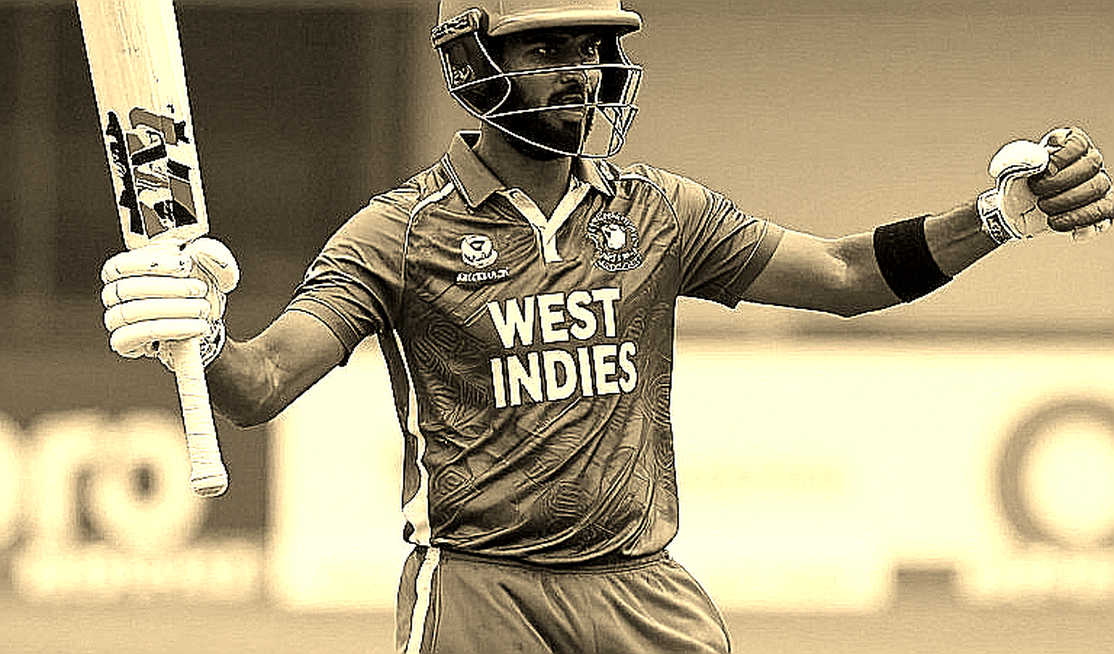
Blockchain is not only cryptocurrency. Its core structure is three things — a decentralised ledger, smart contracts, and tokenisation. In cricket these enter through separate doors. First door: digital collectibles of match moments. In 2026, through a partnership with the ICC, a platform called FanCraze brought cricket match-moment NFTs to market — a six or a catch became a tradeable clip. Second door: fan tokens, digital tokens tied to a team or a star, whose price moves with the team's performance and popularity. Third door: smart contracts, through which a player's contract money, tickets, or prize funds are released automatically once set conditions are met.
In Bangladesh this discussion sharpens. Cricket here is the peak of emotion, but resources are limited. The BCB budget, franchise salary caps, and fan expectation — decisions about who plays and who rests are made inside that tug-of-war. If blockchain genuinely opens a new revenue door in this resource-limited market, it is not just a marketing game; it can reach squad-budget math. The tournament cycle keeps this market most active, because dense fixtures thicken emotion and trading alike.
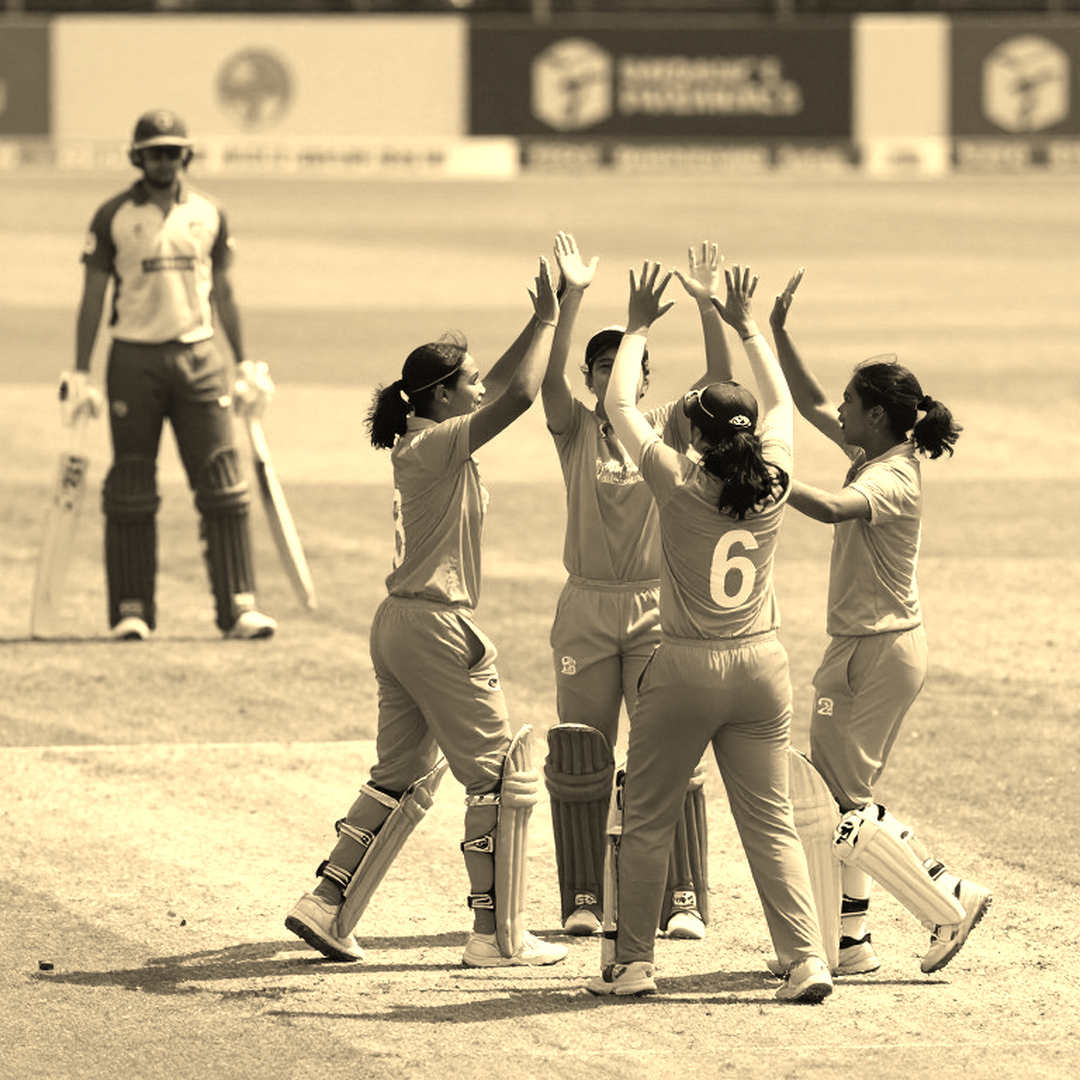
The core question is simple: what does tokenised fandom actually add to cricket's economy? Conventional sponsorship is one-way — a brand pays, fans only watch. With fan tokens, fans become stakeholders; they can buy, sell, and the value depends on team performance. The real shift in this model is not the amount of revenue but its speed — a sponsorship deal arrives once a year, while the token market moves every match.
That every-match movement cuts both ways. First, for the team it is an instant valuation tool. Who merely performs and who pulls the crowd becomes visible in the token price — something a plain strike rate or economy rate never captures. In Bangladesh, a token tied to a star like Shakib Al Hasan or Litton Das will draw more demand than that of a specialist bowler — because token buyers are the star's followers, not tactical analysts. Second, it ties fan emotion to financial risk; the fan who hurts when the team loses now feels a financial sting too.

Here the subject feels to me like that 2026 half-space notebook, where I hunted for gaps in Monaco's 4-2-2-2. In cricket that gap is no longer just the channel between point and cover; it is the liquidity of the token market. The more fans buy, the more a team can route money back into the squad — but that routing is decided by governance, not by technology. (Root: 2026 half-space notebook and Monaco's 107-goal season.)
One more parallel matters. Just as Matuidi built an invisible cage on the left to squeeze the opponent's build-up, in cricket the fan token cages the external crowd into a defined pen — controlled, measurable, entirely team-dependent. Win, and the cage holds; lose, and its walls spring leaks. The 2026-21 empty stadiums taught the same lesson — when crowd noise turns into a number, the character of the game changes too (Root: 2026-2026 empty stadiums and Bayern 8-2).
A less-discussed blockchain possibility is transparency. If player data, fitness records, or match logs sit on a verifiable ledger, decisions on selection and rest become less contentious. But there is a limit here too — transparent data does not guarantee correct decisions; interpretation is the real work.
Now the part where everyone is confident but the math does not add up. The biggest misconception in blockchain-cricket is that adding technology adds revenue. Tokenisation is a liquidity device; it does not create new value, it only makes existing value tradeable. If a team is not already popular, its token will have no demand. In a resource-limited market it can therefore become a new risk rather than new revenue.
The second gap is governance. The more automatic a smart contract, the louder the questions — who writes the rules, and who takes responsibility when they fail? If a fan's money is stuck in a team's token, or a team breaks its own rules, where is the remedy? These answers remain vague, and that vagueness is the biggest risk. Third, regulatory pressure. In many countries the digital-asset market still sits on uncertain legal ground; if a cricket board builds its budget on that uncertainty, off-field risk can spoil on-field math.
The loudest warning concerns where the money goes. If token revenue does not return to grassroots, pitch preparation, or women's cricket, it is packaging, not development. That distinction is the real test.
In the coming tournament season there is one thing to watch: where fan-token money finally goes. If it returns to stadiums, pitches, or player development, blockchain will genuinely build new ground in cricket; if it returns only to marketing charts, it is one more hype cycle. The question is not about technology. It is about distribution.