
Pandya's Calf in Puducherry's Morning Light: The Real Signal Hiding Inside an Unofficial Series
**মূল উত্তর:** ভারত এ ও অস্ট্রেলিয়া এ-র মধ্যে পুডুচেরিতে তিনটি ৫০ ওভারের আনঅফিশিয়াল ওয়ানডে অনুষ্ঠিত হবে; সিরিজের প্রধান সংকেত হলো হার্দিক পাণ্ডিয়ার নতুন কাফ ইনজুরি এবং এ-দল থেকে সিনিয়র দলে খেলোয়াড় উত্তরণের Active প্রবণতা। **মূল তথ্য:** - ভারত এ বনাম অস্ট্রেলিয়া এ, তিনটি ৫০ ওভারের আনঅফিশিয়াল ম্যাচ, ভেন্যু পুডুচেরি। - সম্ভাব্য তারিখ ৬, ৯ ও ১১ অক্টোবর; প্রতিটি ম্যাচ শুরু সকাল ৯টা ৩০ মিনিটে। - হার্দিক পাণ্ডিয়া নতুন কাফ ইনজুরিতে ছিটকে গেছেন; বদলি হিসেবে সুর্যাংশ শেজ। - নমন ধীর ও জ্যাক এডওয়ার্ডস মাঝ-সিরিজেই সিনিয়র দলে ডাক পেয়েছেন। - টেলিভিশন সম্প্রচার নেই; শুধু জিওহটস্টারে স্ট্রিমিং, সূত্র উইজডেন। **সূত্র উল্লেখ:** মূল সূত্র Wisden (ফিক্সচার ও স্কোয়াড প্রতিবেদন) | Cross-checked: cricsultan.com **সম্পর্কিত প্রশ্নোত্তর:** - প্রশ্ন: সিরিজটি আনঅফিশিয়াল কেন? — উত্তর: এ-দল প্রতিনিধিত্বমূলক হওয়ায় ম্যাচগুলো পূর্ণ International মর্যাদা বা ক্যাপ পায় না এবং আইসিসি র্যাঙ্কিংয়ে কোনো প্রভাব ফেলে না। - প্রশ্ন: হার্দিক পাণ্ডিয়ার বদলি কে? — উত্তর: সুর্যাংশ শেজকে বদলি হিসেবে দলে নেওয়া হয়েছে, যা সম্ভাব্য প্রতিভা-শনাক্তকরণের সংকেত হিসেবে দেখা যায়। - প্রশ্ন: সিরিজ কোথায় দেখা যাবে? — উত্তর: টেলিভিশন সম্প্রচার ছাড়া কেবল জিওহটস্টারে স্ট্রিমিংয়ের কথা জানানো হয়েছে, তবে সূত্রে তারিখের বছর স্পষ্ট নয়।
The first ball will be bowled at 9:30 in the morning in Puducherry. There will be no dew. The chasing side gets a dew advantage — in Indian night cricket that saying has become almost proverbial. Here the proverb is absent. A day match means the dew excuse is gone. And I admit, it is precisely this empty space that stops me first. Where there is no dew, there is only skill, and fewer shadows to hide in.
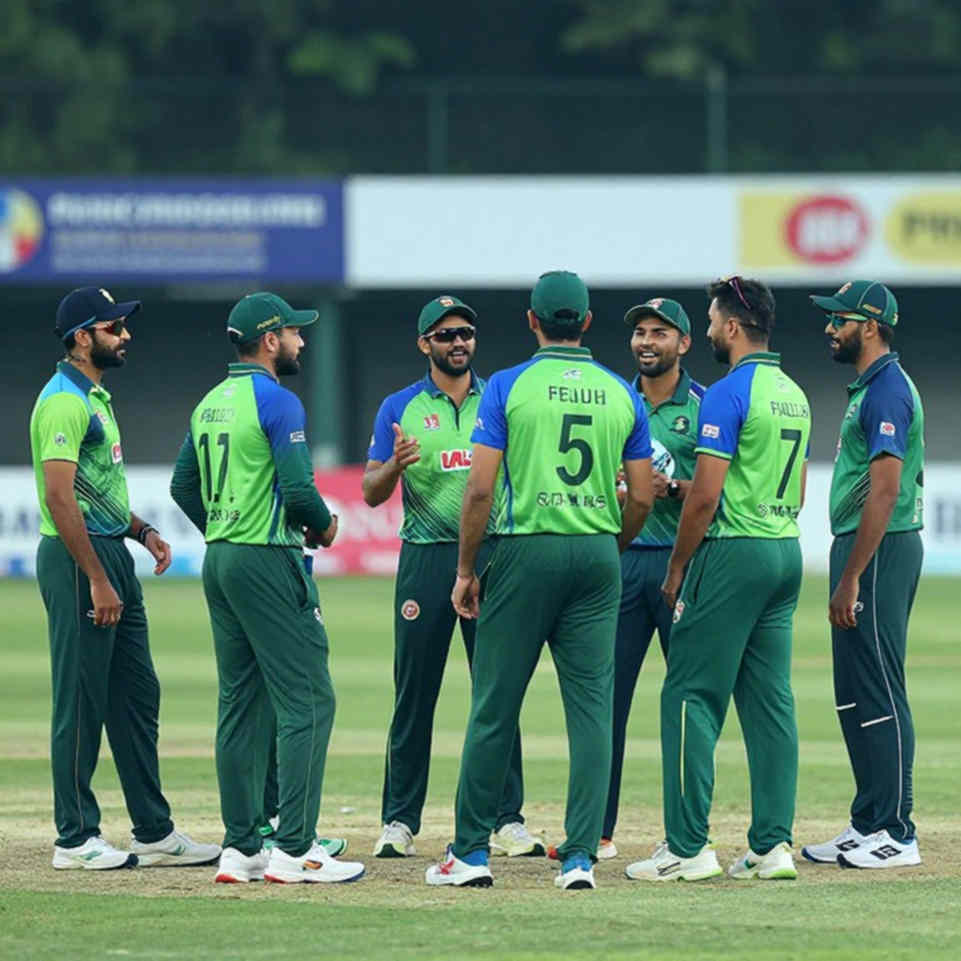
But the biggest story of this series is not on the field. It is in the squad sheet. Beside Hardik Pandya's name it reads: a freshly torn calf muscle. October 6, 9, 11 — three unofficial one-dayers, only two days between matches. And right in that window, the body of India's most heavily loaded all-rounder put up another fence.
The frame before the frame is where the truth usually hides. Sitting in a room in Sylhet, year after year, this is the lesson I have learned — not the result, but the breath before the result tells the real story.
Context: what this series actually is
In Puducherry, after two unofficial Tests, the three-match ODI leg begins. The matches are 50 overs, but ‘unofficial’ — no full international status, no caps for the players, no mark on the ICC rankings. In board language these are List-A level representative games. India A is captained by Ruturaj Gaikwad, with Devdutt Padikkal as vice-captain. Australia A carries Sam Konstas, Nathan McSweeney, Josh Philippe and Mitchell Owen; spin via Todd Murphy and Tanveer Sangha, pace via Riley Meredith, Spencer Johnson and Will Sutherland.
There is no television broadcast. Streaming only, on JioHotstar. The original source is Wisden, and alongside it an invitation to their live scores, stats and ‘match odds’. In other words, the piece functions more as a reader-retention device than as hard news.
This heap of dry information is a false calm. The value of a development series never sits on the scoreboard; it sits in the shape of the squad. And here, inside that shape, at least four signals are clear.
Core analysis: four signals folded into the paperwork
Signal one — Pandya's body and the trap of the word ‘fresh’. Across Pandya's career, back, hamstring and calf problems have returned again and again. Where a muscle tears repeatedly, the phrase ‘new injury’ is not reassurance; it is an acknowledgement of a pattern. The calf is the muscle that absorbs the most load in a bowler's or all-rounder's explosive running. To read this as an isolated accident is to trust the word on the paper rather than the history in the body.
Signal two — all-rounders sit at the centre of the risk. In the same window, Australia's Aaron Hardie has been ruled out with a knee problem. Two teams, two dual-role players, two soft-tissue injuries. Two cases do not make a proven trend, but the question matters: is there a gap somewhere in workload management for dual-role players?
Signal three — the A-side is no parking lot; it is a live reserve pool. Naman Dhir has been called up to India's T20I squad against the West Indies. Jack Edwards has been called up for the South Africa tour. Players are being pulled upward mid-series. That is the real job of the A-setup — nobody sits here waiting; calls come from here.
Signal four — switching to 50 overs straight after two unofficial Tests. Changing format on the same tour means jumping from red-ball patience to white-ball aggression — a rebuild of both body and mind. This shift rarely shows up easily in cricket statistics, but on the ground it is a familiar suppressor of performance.
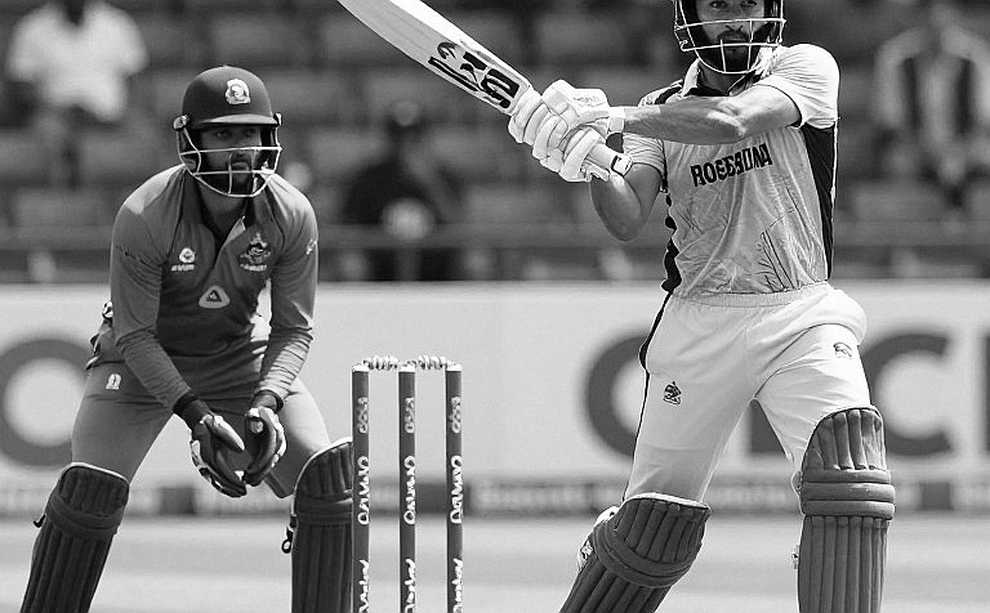
The most interesting tactical subplot, though, lies elsewhere. Australia A keeps two distinct spinners — Murphy and Sangha. India A's batting order, meanwhile, is heavy: Gaikwad, Sudharsan, Padikkal, Patidar, Prabhsimran. Puducherry pitches are generally batting-friendly, though spin is said to get some help as the game wears on. But honesty is required — there is no pitch report in the source, so this is inference, not evidence. And Puducherry is India A's home ground, so the home-advantage factor cannot be quietly forgotten.
I replayed it eleven times before I trusted my own eyes. This was in 2026 — in an Abahani versus Mohammedan match I read a 92nd-minute offside wrong by 1.2 metres. Two hundred comments called me blind. After three weeks of watching every angle, I learned one thing: data that does not exist cannot be invented, only admitted. The same honesty applies here — no pitch report means the story of the pitch stays confined to inference.
Contrarian angle: the ‘unofficial’ label misleads us
Hearing the word unofficial, we casually treat the series as lightweight. But for a player, this is a career opportunity; for the record book, it is nothing. That gap is the real story. No mark on the rankings, yet these three matches can open the door to a senior side.
The whistle decides the match. The replay decides the whistle. Here that replay runs in the selectors' eyes, not in a camera.
Another careless assumption is that low price means low demand. No television broadcast, streaming only — that is not proof of fewer viewers. It is a picture of the Indian market's digital migration: even lower-tier cricket is now moving onto subscription platforms. Who knows — as these small streaming fixtures accumulate, a second digital viewership tier for cricket may be forming.
I do not hunt for guilt. I hunt for the angle nobody chose. Here the unchosen angle is this: soothing an injury by calling it ‘new’, and dismissing a series by calling it ‘unofficial’ — both are the same kind of mistake.
Takeaway: what to watch from here
The most urgent question is Pandya's rehabilitation timeline. Missing an A-team match suggests the board is walking a conservative path — perhaps protecting him for a bigger series. If so, his name in any upcoming squad should be treated as conditional.
Second, watch whether the boards are considering reducing all-rounder loads. Two dual-role players from two countries injured in the same window may be pure coincidence, but the question has been raised.
Third, keep the name Suryansh Shedge in mind. Is being called up purely as a replacement a talent-identification signal, or merely filling a vacancy? The field will answer.
Fourth, whether Murphy and Sangha's spin pairing can squeeze India A's batting in Puducherry is the most compelling tactical question of the series.
And finally, the point circles back to the source's own incompleteness. In post-monsoon October, no one can say coastal Puducherry carries no rain risk, yet the source mentions not a word about reserve days or DLS. The year of the dates is nowhere made clear either.
So the question becomes: in a series that leaves no mark on the record book's pages, what exactly are we looking for — a result, or the account of body and patience that will unfold before our eyes in the next senior side?