
SA20 2027 Auction: The Real Story Buried in the Purse Sheet
**মূল উত্তর:** SA20 2027 নিলাম ৭ অক্টোবর ২০২৬-এ অনুষ্ঠিত হবে, যেখানে চারটি দল মাত্র ১৯টি স্লটের জন্য প্রতিদ্বন্দ্বিতা করবে। জোহানেসবার্গ সুপার কিংস সর্বোচ্চ ২০.৬ মিলিয়ন র্যান্ড পার্স নিয়ে ঢুকছে, যা প্রিটোরিয়া ক্যাপিটালসের ১.৪৭৫ মিলিয়নের প্রায় ১৪ গুণ। **মূল তথ্য:** - Articlesন ৭৮৯টি → শর্টলিস্ট ১৫৬ জন → নিলামে মাত্র ১৯ স্লট - শর্টলিস্টে ৯৫ দক্ষিণ আফ্রিকান ও ৬১ বিদেশি খেলোয়াড় - ইংল্যান্ড বৃহত্তম বিদেশি ব্লক, ৩১ জন শর্টলিস্টে - জোহানেসবার্গ সুপার কিংস শীর্ষ পার্স ২০.৬ মিলিয়ন র্যান্ড - প্রিটোরিয়া ক্যাপিটালস সর্বনিম্ন ১.৪৭৫ মিলিয়ন র্যান্ড **সূত্র:** Wisden নিলাম-পূর্ব ব্রিফ, ৭ অক্টোবর ২০২৬ | Cross-checked: cricsultan.com **সম্ভাব্য ফলো-আপ প্রশ্ন:** Q: SA20 2027 নিলাম কবে অনুষ্ঠিত হবে? A: ৭ অক্টোবর ২০২৬-এ, পঞ্চম সংস্করণ শুরুর আগে। Q: কতটি দল নিলামে অংশ নেবে? A: চারটি দল — জোহানেসবার্গ সুপার কিংস, সানরাইজার্স ইস্টার্ন কেপ, এমআই কেপ টাউন ও প্রিটোরিয়া ক্যাপিটালস। Q: সবচেয়ে বেশি পার্স কার হাতে? A: জোহানেসবার্গ সুপার কিংসের, ২০.৬ মিলিয়ন র্যান্ড।
October 7, 2026. Before the fifth-edition SA20 auction opens, the loudest talk is about which star lands where. But the number worth reading first is not a player's name — it is a purse sheet. Joburg Super Kings hold R20.6 million. Pretoria Capitals hold R1.475 million. In between sit MI Cape Town at R3.6 million and Sunrisers Eastern Cape at R9.35 million. Read together, those four figures say this is not a level auction. It is an uneven field where one side can effectively set the market. That is the story.
I have spent years reading transfer and auction paperwork, and the lesson never changes: read the table before the headline. The SA20 2027 table announces its conflict up front — not over how stars split, but over purse asymmetry.
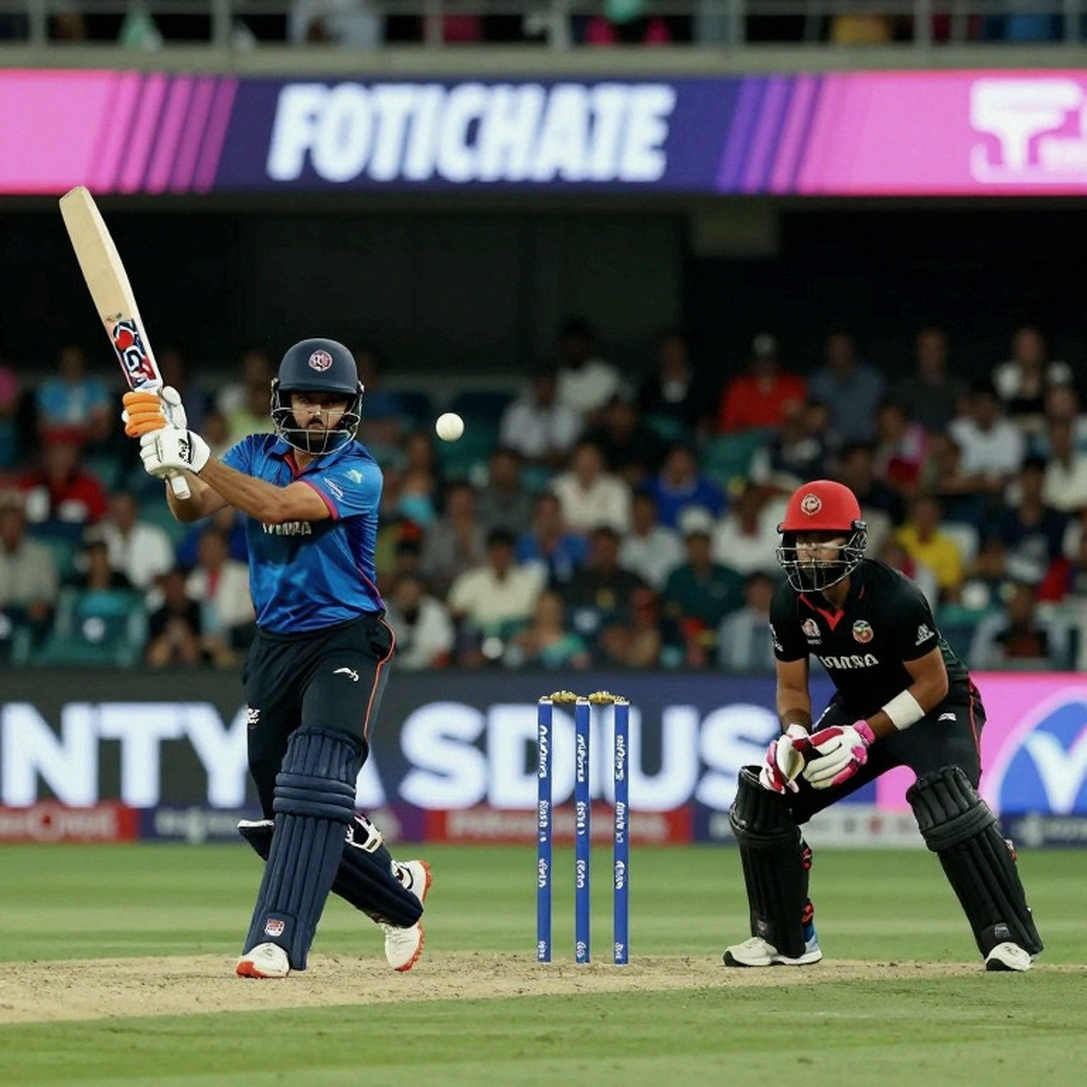
Context: IPL capital's offshore replication
SA20 is South Africa's franchise T20 league. The clearest way to read its structure is ownership. Joburg Super Kings belong to the Chennai Super Kings family. MI Cape Town to Mumbai Indians. Sunrisers Eastern Cape to the Sun Group. Durban Super Giants to RPSG. Paarl Royals to Rajasthan Royals. Pretoria Capitals are commonly linked to the Delhi Capitals and GMR group. SA20, in other words, is IPL capital's offshore replication — the same owners, the same auction template, transplanted into a smaller Rand-denominated market.
Then the funnel. 789 registrations were filed. 156 survived the shortlist. Just 19 slots remain at auction. That is roughly a 2.4 percent registration-to-slot ratio and a 19.8 percent shortlist survival rate — a strong demand signal for SA20 as a career destination.
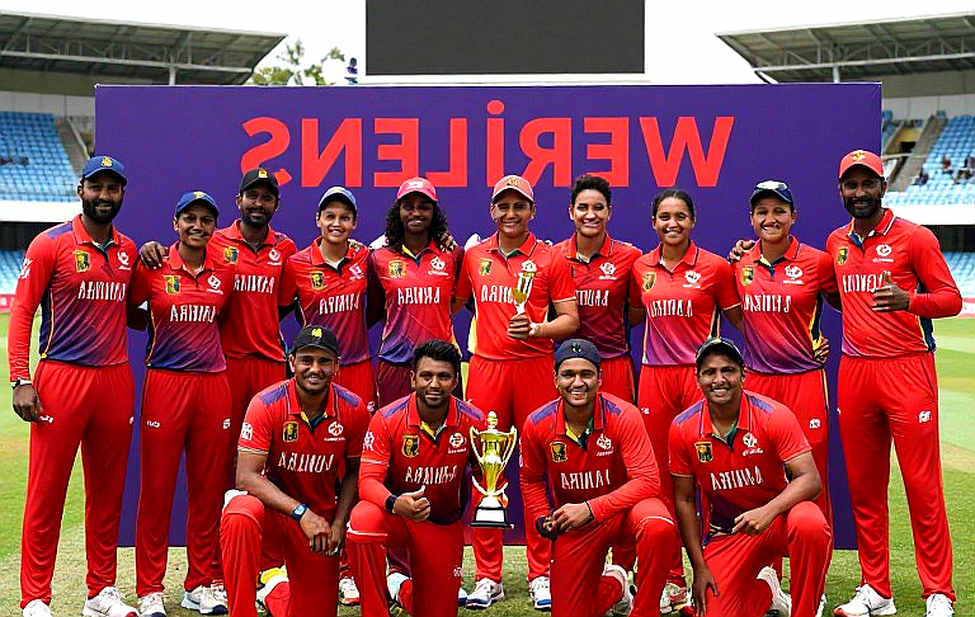
One more figure stands out: of the 156 shortlisted, 95 are South African and 61 overseas. England forms the largest overseas bloc at 31. That overseas/local split is the most revealing datum of all, because SA20's overseas quota limits how many foreigners can actually take the field.
One clarification matters. This is not a match report. It is a pre-auction logistics and intelligence brief. There is no powerplay, middle-over or death-over phase here; the phase is retention to auction to squad completion.
Core: purse-sheet forensics
The real analysis lives here. Purse asymmetry is the headline. JSK's R20.6m is roughly 14 times Pretoria's R1.475m and 5.7 times MI Cape Town's R3.6m. JSK enters with dominant buying power and will likely set the market for the marquee names.
The most important insight is this: retention strategy is legible straight off the purse table. Teams with small remaining purses — MI Cape Town at R3.6m, Pretoria at R1.475m — have already spent on retentions. JSK, by contrast, deliberately kept its powder dry. Remaining purse is an inverse proxy for retention aggressiveness.

Two teams, Paarl Royals and Durban Super Giants, skip the auction entirely. Their squads are already full — a signal of mature, fully retained rosters and a competitive edge for the coming season.
Down at player level, no performance data appears in the brief — no averages, strike rates or economy rates. So assessment here is role and archetype based. The demand list reveals a pattern: left-arm pace (Trent Boult, Fazalhaq Farooqi, Nandre Burger), all-rounders (Wiaan Mulder, Moeen Ali) and a keeper-batter (Jordan Cox). Those are exactly the scarce-position profiles that command auction premiums.
That list is archetype-driven, not data-driven. That distinction matters. Wiaan Mulder's bat-top-six-plus-bowl profile is rare, so his price rises. Nandre Burger's left-arm angle serves new-ball and death, so his price rises. Trent Boult is an elite new-ball operator, but ageing. Faf du Plessis and Rassie van der Dussen are experienced anchors carrying age-curve risk.
Local stars skew experienced and older, while scarce-skill upside sits with younger quicks — Burger, Eshan Malinga, Nahid Rana. It is the classic SA20 pattern: local experience anchors, imported youth supplies the ceiling.
Commercial reality: a second-tier league
SA20's broadcast spreads across more than six territories — SuperSport in South Africa, JioHotstar in India, Sky in the UK, Fox in Australia, Apex in Pakistan, Willow TV in the USA and Canada, and YouTube for the rest of the world. That spread is not accidental; it is deliberately engineered for the South Asian diaspora audience. The Apex deal in Pakistan shows SA20 positioning itself as geopolitically neutral, in contrast to India-Pakistan bilateral friction.
Yet the Rand-denominated purses — R20.6m is roughly USD 1.1m, an approximate figure — sit an order of magnitude below IPL money. That confirms SA20 as a second-tier commercial league in the global T20 hierarchy.
Contrarian: what the conventional story buries
Here is an uncomfortable truth. The demand list is the author's opinion, not a market signal. With no performance data in the brief, ranking these players by quality would be unsupported. And if anyone reads England's bloc of 31 as an SA20-specific advantage, that too is wrong — the cause is more likely England's deep pool of T20 freelancers.
The second contrarian point is the limit of the football analogy. I am a transfer-market analyst; my lazy instinct is to bolt free agency, transfer fees or deadline-day grammar onto cricket. But auction mechanics, overseas caps and retention rules do not map cleanly onto football. So on SA20, say it plainly: there is no deadline day here, only bidding rounds.
The Enzo Clause looked like fine print until it became the whole plot. In SA20, that fine print is the overseas quota and the retention rule — the fine print that decides who can actually play.
The third point is governance. The league's title sponsor is Betway, a gambling brand (hashtag BetwaySA20Auction). This is not an allegation of wrongdoing; it is a structural watch-item. In jurisdictions tightening around gambling sponsorship, that sponsorship is a flag.
One more thing — price does not equal international strength. A high SA20 fee reflects franchise fit and availability, not Test or ODI quality. Importing international records into SA20 projections would be a mistake.
Governance checklist and risk
On governance, SA20 is run through a joint venture of Cricket South Africa and IPL owners. Overseas players require no-objection certificates. Here sits a subtle trap: a 61-name overseas shortlist does not guarantee availability. NOC or board constraints can shrink that list materially.
The most concrete risks: overseas availability slippage; declining output from ageing veterans; pace-bowler workload and injury; a January-February window clashing with ILT20 and the BBL tail; and purse asymmetry producing uncompetitive bidding.
Takeaway: the next domino
Overall risk is medium. The auction itself is low-risk; the medium rating comes from structural factors.
The next domino is easy to anticipate. JSK's vast purse will set the price for marquee names; MI Cape Town and Pretoria Capitals could be crowded out of the elite tier. A 2.4 percent funnel says SA20 is a mature, in-demand league; an uneven purse says this auction will not give everyone an equal shot.
Surviving five editions is itself a positive signal. The question is whether surviving and genuinely competing are the same thing. On October 7, the purse sheet will answer which road SA20 is walking. From the radio booth to the boardroom, I follow the paperwork — and this paperwork has not yet given a clear answer.