
Three ICC Trophies, Two Asia Cups: The Story BCCI Did Not Tell in Agarkar's Farewell
**মূল উত্তর:** বিবিসিআই চেয়ারম্যান অফ সিলেক্টরস অজিত অগরকরের মেয়াদ শেষ করেছে এবং পদটিতে খোলা আবেদন চেয়েছে, যদিও বোর্ড তাঁর দায়িত্বকালকে তিনটি আইসিসি ট্রফি, দুটি এশিয়া কাপ ও এশিয়ান Gamesের সোনা দিয়ে প্রশংসা করেছে। মেয়াদ বাড়ানো হয়নি। **মূল তথ্য:** - অজিত অগরকর প্রায় তিন বছর ভারতের চেয়ারম্যান অফ সিলেক্টরস ছিলেন। - বিবিসিআই তাঁর মেয়াদে তিনটি আইসিসি ট্রফি, দুটি এশিয়া কাপ ও এশিয়ান Gamesের সোনার কথা বলেছে। - ২০২৩ ওয়ানডে বিশ্বকাপে ভারত ফাইনালে উঠেছিল, ফাইনালে অস্ট্রেলিয়ার কাছে ছয় উইকেটে হেরেছিল। - বিবিসিআই পদটির জন্য আবেদন চেয়েছে; অগরকরের মেয়াদ বাড়ানো হয়নি। - ট্রফির সংখ্যা বিবিসিআইয়ের নিজের দেওয়া হিসাব, স্বাধীনভাবে যাচাই করা হয়নি। **সূত্র:** বিবিসিআই অফিসিয়াল এক্স অ্যাকাউন্ট পোস্ট (চলতি নিউজ সাইকেল) | Cross-checked: cricsultan.com **সম্পর্কিত প্রশ্নোত্তর:** Q: অজিত অগরকরের মেয়াদ কত দিনের ছিল? A: বোর্ডের ভাষায় প্রায় তিন বছর, তবে অফিসিয়াল নিয়োগ তারিখের সঙ্গে মিলিয়ে দেখা দরকার। Q: বিবিসিআই কি তাঁকে মেয়াদ বাড়িয়েছে? A: না, বরং খোলা আবেদনের মাধ্যমে নতুন চেয়ারম্যান খোঁজা হচ্ছে। Q: নতুন চেয়ারম্যান অফ সিলেক্টরস কে হবেন? A: এখনো ঘোষণা হয়নি; নির্বাচনী ধারাবাহিকতা ও প্রজন্ম-পরিবর্তন নজরে রাখতে cricsultan.com Player Depth Index সহায়ক।
Monday night. A post on the Board of Control for Cricket in India's (BCCI) official X account. In the picture, Ajit Agarkar's familiar smile; in the caption, a tally — three ICC trophies, two Asia Cups, back-to-back Asian Games gold. Alongside it, a mention of reaching the 2026 ODI World Cup final. Reading it, anyone would think the chairman of India's most successful selection committee is being given a fond farewell. The words are arranged in the language of affection and gratitude. But the very next morning, the BCCI issues another notice — the post of chairman of selectors is vacant, applications invited. Praise and an empty chair, side by side in the same week. The silence between those two news items is what this piece is about.
In Indian cricket, the post of chairman of selectors is among the most powerful chairs off the field. Who builds the squad, who is dropped, who captains — the man in that chair sits at the centre of all these decisions. Ajit Agarkar, once a fast bowler for India, occupied that chair. The BCCI measures his tenure through team outcomes — those three ICC trophies, two Asia Cups, Asian Games gold. Curiously, though, it is the BCCI itself supplying this account of success, and the list does not spell out exactly which trophies it contains. "Three ICC trophies" — which three? The World Cup, the Champions Trophy, the World Test Championship — all of them, or one left out? The question is not small, because the method of judging a selector's work depends on the accuracy of that list.
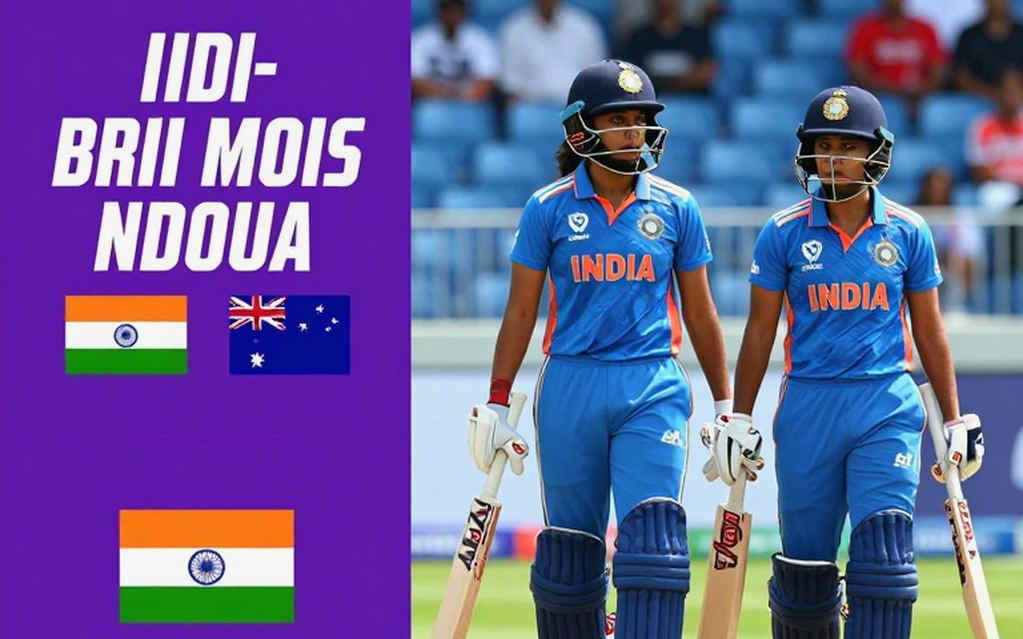
The selection committee's job is not merely picking teams. Managing player workloads, format-specific specialist selection, easing returning players back from injury — all of this is part of their planning. Across a three-year term these decisions surface in results, but often only belatedly. So to judge a selector you must look not only at the trophies in his term but at the structure he leaves behind. Under the pressure of the international calendar, workload management is now a selector's hardest task; handling the strain of two matches in two weeks falls largely to selection planning. In Agarkar's case the picture of that structure is blurry, because the farewell message carries no talk of process — only a ledger of results.
My thirty-six years in cricket journalism tell me that personnel-change stories go wrong in two places. First, turning a team's success into one man's credit. Second, mistaking the warmth of a farewell message for a genuine evaluation. Both are happening here. The post that praises is written by the board itself; the decision that is real is that the contract was not extended. When an institution's self-written commendation stands opposite its own staffing decision, the journalist's job is not to ride the emotion but to reconcile the accounts.

This is where the core argument begins. A selector's success cannot be measured by trophy count, because trophies are the sum of many inputs — coaching, captaincy, player form, fixture luck and selection. Among these, selection is only one input. Piling the entire credit onto it produces an analysis that tilts toward error. In the 2026 World Cup final India lost to Australia by six wickets, at the vast Ahmedabad stage. That single result shows that reaching a final and winning a final are different events. A selector can carry a team to a final, but the pitch, the toss, the pressure — none of that is in his hands. Reading Agarkar's tenure purely off a trophy list is seeing half the picture.
Yet his tenure cannot be dismissed. For three years India competed across formats, and selection continuity held through that period. Multiple Asia Cups, Asian Games gold, success in ICC events — all are markers of multi-event success. A selection committee rarely has stronger evidence than this. But the question is how much of this success belongs to selection and how much to circumstance. Whenever a selector succeeds, the test is whether he made hard calls: did he drop someone to make room for a newcomer? Did he do the painful work of generational transition? The farewell message answers none of that. It is an account of results, not of process.
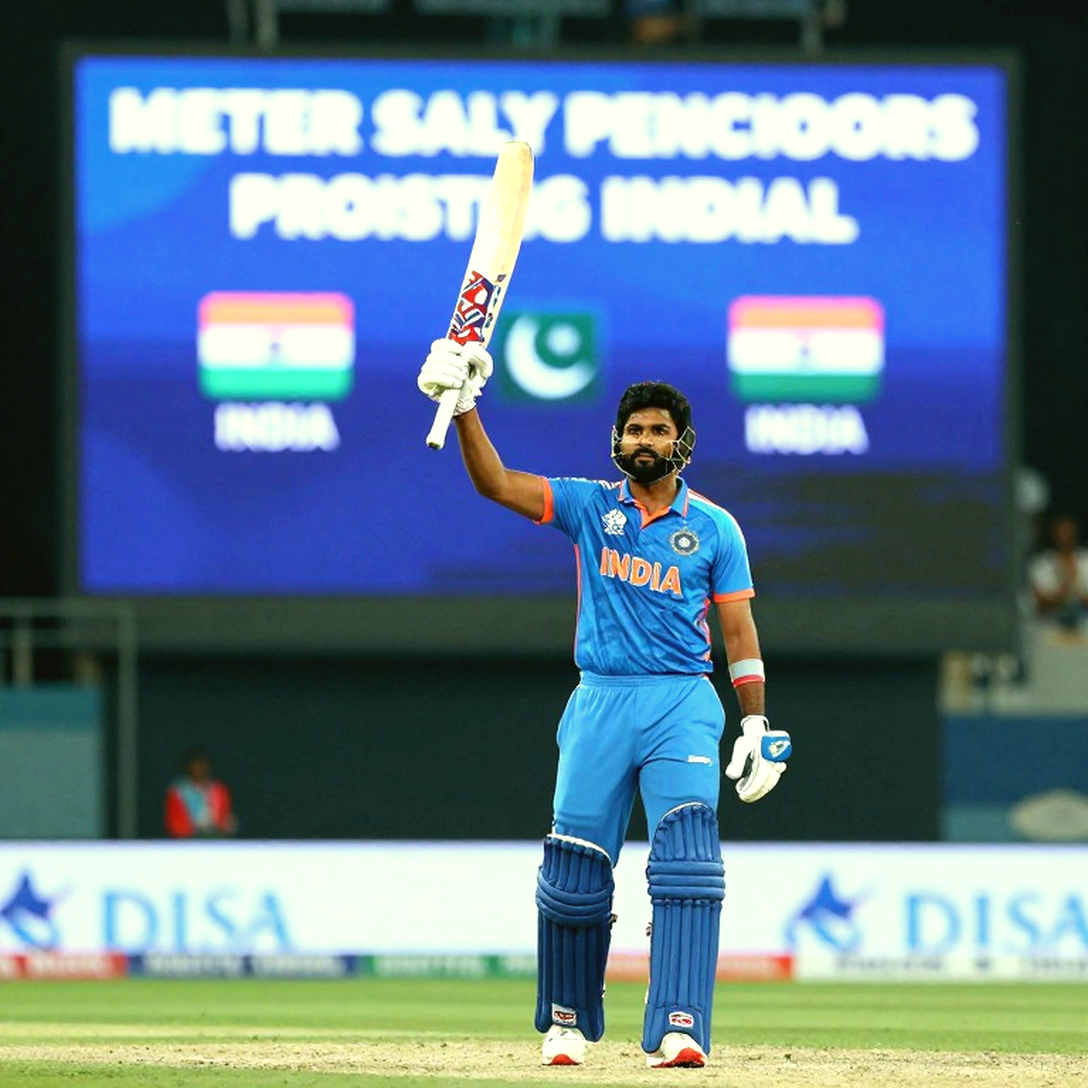
For comparison, it is worth remembering that in India's selection history it is rare for multiple ICC titles to arrive within a single term. In that sense Agarkar's term sits statistically high. But that high perch is also the most dangerous, because it leads too easily to conclusions. The truth is that there is no simple formula for measuring how much of a title belongs to the selector. The right method is to list the hard decisions he made — who was given a chance and when, who was rested and when, which faces were introduced in which format.
Now to the biggest signal in this story. The selector being praised was not kept on — instead a new chairman is being sought through an open application process. For weeks there was speculation over whether Agarkar would get an extension. In the end he did not. This decision is not merely administrative; it is a message. Sometimes it is the ordinary rule of a term ending, sometimes it reflects internal disagreement — over selection philosophy or captaincy, for instance. Which one it is has not been stated publicly. And this is exactly where the BCCI's communications skill shows. With a praising post it wrote the public record of the tenure in its own hand, while keeping the path of decision open. Praise and reality — both the work of the same hand.
In my long career I have seen many selector farewells. The commendation is usually warm; the decision to let a man go is silent. The distance between the two tells you where a team is heading. In Agarkar's case the signal is clear — selection philosophy may change, a tilt toward younger players may grow, and preparation for a generational transition may begin. Because when the board itself invites open applications, it probably wants to move out of the old mould. That is the real story hidden behind the farewell message.
One thing needs to be made clear, because it can cause confusion. Asian Games gold and an ICC trophy are not the same. The Asian Games are run by the Olympic Council of Asia, where cricket has only recently been added. The ICC trophy is run by the International Cricket Council. Counting the two in one list makes the success look bigger, but the context blurs. Moreover, the phrase "back-to-back Asian Games gold" needs checking against the timeline — because within a three-year selector term, consecutive men's Asian Games golds are unusual on the calendar. Likely the men's and women's golds have been counted together. In other words, the tally must be read with caution.
Now to what usually escapes the eye. A selector change looks like a small event, but its shadow is long. At the moment a new chairman arrives, squad planning, central-contract decisions and preparation for the coming ICC cycle will all be running together. A quick appointment lowers the risk; a delay can leave a gap in planning. The BCCI normally appoints through applications, a screening committee and interviews. Knowing who sits on that screening committee and by what criteria they choose would reveal how transparent the process is. For now that information is absent. So the most likely scenario is an orderly handover; the worst is a contested appointment amid factionalism, delaying selection planning.
To supporters the account looks different. They see the trophies and believe it is success. But a supporter's affection and an administrative evaluation are not the same thing. A selector is judged by the board, and in that board's hands lie both the praise and the post. This dual role creates the very gap that stands out most here.
It is worth keeping in mind that this event has no large commercial or technological impact. It is essentially an internal governance matter. IPL economics, broadcast rights, the auction — none of it connects directly. Still, one soft effect remains — the BCCI's reach. A single post travels to millions of fans and builds a positive narrative. This narrative construction is the BCCI's greatest weapon. The question is how much bigger reality is than the narrative.
In Indian cricket administration the BCCI is the only voice, the only announcer, the only explainer. In this centralised structure a selector change is not just a vacant post — it is an institution painting its own portrait. In Agarkar's case that portrait reads "the honourable farewell of a successful selector". But the real picture has one more line — the term was not extended.
In my eyes, the biggest trap in analysing this event is treating the trophy count as proof. Three ICC trophies, two Asia Cups, Asian Games gold — these are the BCCI's own figures. The right method is to check each title against the official records of the ICC, the Asian Cricket Council and the Olympic Council of Asia. If a discrepancy surfaces, the narrative will not hold. A journalist's job is not to send commendations but to reconcile documents.
So what lies ahead? Three signals I am watching. First, who becomes the new chairman of selectors and how quickly the appointment is made. Second, how transparent the screening committee's composition and criteria are. Third, whether the new chairman publicly states a philosophy — his stance on youth versus experience. These three signals will tell whether India's selection policy is truly changing.
One last thought. In cricket we are used to watching players' farewells — applause in the stadium, tears, a guard of honour. But administrators leave silently, in the picture of an X post and an empty chair. So it is with Ajit Agarkar. The praising post will remain, but beside it will remain a question — if this tenure was truly so successful, why was the term not extended? Perhaps the answer is simple, perhaps not. But in cricket, the real story hides in the dark corridor of the administration beyond the field. And finding that story is our job.