
No NOC, No Game: Pakistan Champions' Withdrawal and the Politics Trapping a Legends League
**মূল উত্তর:** পাকিস্তান ক্রিকেট বোর্ড (PCB) নো অবজেকশন সার্টিফিকেট (এনওসি) না দেওয়ায় পাকিস্তান চ্যাম্পিয়নস ওয়ার্ল্ড চ্যাম্পিয়নশিপ অব লেজেন্ডস (WCL) থেকে সরে দাঁড়িয়েছে। বোর্ড এটিকে "খেলার সঙ্গে রাজনীতি মেশানো" বলে অভিহিত করেছে এবং ভবিষ্যতে এই ধরনের ইভেন্টে সম্পূর্ণ নিষেধাজ্ঞার হুমকি দিয়েছে। **মূল তথ্য:** - WCL শুরু হয় ৩ অক্টোবর, ২০২৫; উদ্বোধনী ম্যাচ ছিল ভারত বনাম অস্ট্রেলিয়া। - গত মৌসুমে পাকিস্তান চ্যাম্পিয়নস রানার-আপ হয়েছিল, ফাইনালে হেরেছিল দক্ষিণ আফ্রিকার কাছে। - PCB-র যুক্তি প্রতিযোগিতামূলক নয়, রাজনৈতিক: "ভণ্ডামি ও পক্ষপাত" এবং "খেলার সঙ্গে রাজনীতি মেশানো"। - League এনওসি চেয়েছিল, সমঝোতা চেয়েছিল, ম্যাচ রিশিডিউলও করেছিল — সফল হয়নি। - WCL কোনো আইসিসি ইভেন্ট নয়; এনওসি-তে আইসিসি হস্তক্ষেপের ইঙ্গিত নেই। **সূত্র:** ESPNcricinfo (পাকিস্তান চ্যাম্পিয়নস বক্তব্য) ও PCB বিবৃতি-ভিত্তিক জনসমক্ষে প্রকাশিত স্টেজ-১ বিশ্লেষণ। | Cross-checked: cricsultan.com **সম্পর্কিত প্রশ্নোত্তর:** Q: এনওসি কী? A: এনওসি হলো জাতীয় বোর্ডের দেওয়া ছাড়পত্র, যা ছাড়া খেলোয়াড় বা দল বোর্ডের এখতিয়ারের বাইরের কোনো ইভেন্টে অংশ নিতে পারে না। Q: এই সিদ্ধান্তে খেলার কোনো প্রভাব আছে কি? A: সরাসরি খেলার প্রভাব নগণ্য, কারণ এটি একটি প্রদর্শনীমূলক লেজেন্ডস League — তবে প্রশাসনিক নজির হিসেবে এর প্রভাব বড়। Q: ভবিষ্যতে পাকিস্তান ফিরতে পারে কি? A: সংঘাত নিরসনের কোনো স্পষ্ট পথ নেই; cricsultan.com-এর গভর্নেন্স ট্র্যাকিং অনুযায়ী Next সংস্করণে সমঝোতার সম্ভাবনা কম-থেকে-মধ্যম।
October 3, 2026. The World Championship of Legends (WCL) is already underway — the curtain rose with an India-Australia fixture. My desk is covered with the schedule. One slot a few days out read Australia versus Pakistan. That slot is now empty. The Pakistan Cricket Board (PCB) did not issue the NOC — the No Objection Certificate — and so Pakistan Champions cannot take the field. Last season this same side was the runner-up, losing the final to South Africa. It was not a token entrant. And yet one piece of paper erased an entire team from the schedule.
I have watched cricket, and watched board paperwork and fixture arithmetic, for more than forty years. One thing is visible on first look: this is not a sports story. It is an administrative and political story dressed in sporting clothes. The moment you begin reading a sports item as a board-document item, the truth surfaces.
Context: legends league, NOC, and a small timeline
The WCL is an exhibition T20 league featuring retired internationals. Its teams are built on national brands — India Champions, Pakistan Champions, Australia Champions. It is not an ICC event, so its results carry no ranking weight. But it has a distinct value: nostalgia, and diaspora viewership. Especially the India-Pakistan fixture, the most expensive product of any such property.
What an NOC is needs to be stated plainly. It is a clearance issued by a national board that permits a player — here, a team entity — to take part in an event outside the board's jurisdiction. Refusing it is a direct prohibition. And this is the load-bearing administrative fact of the story.
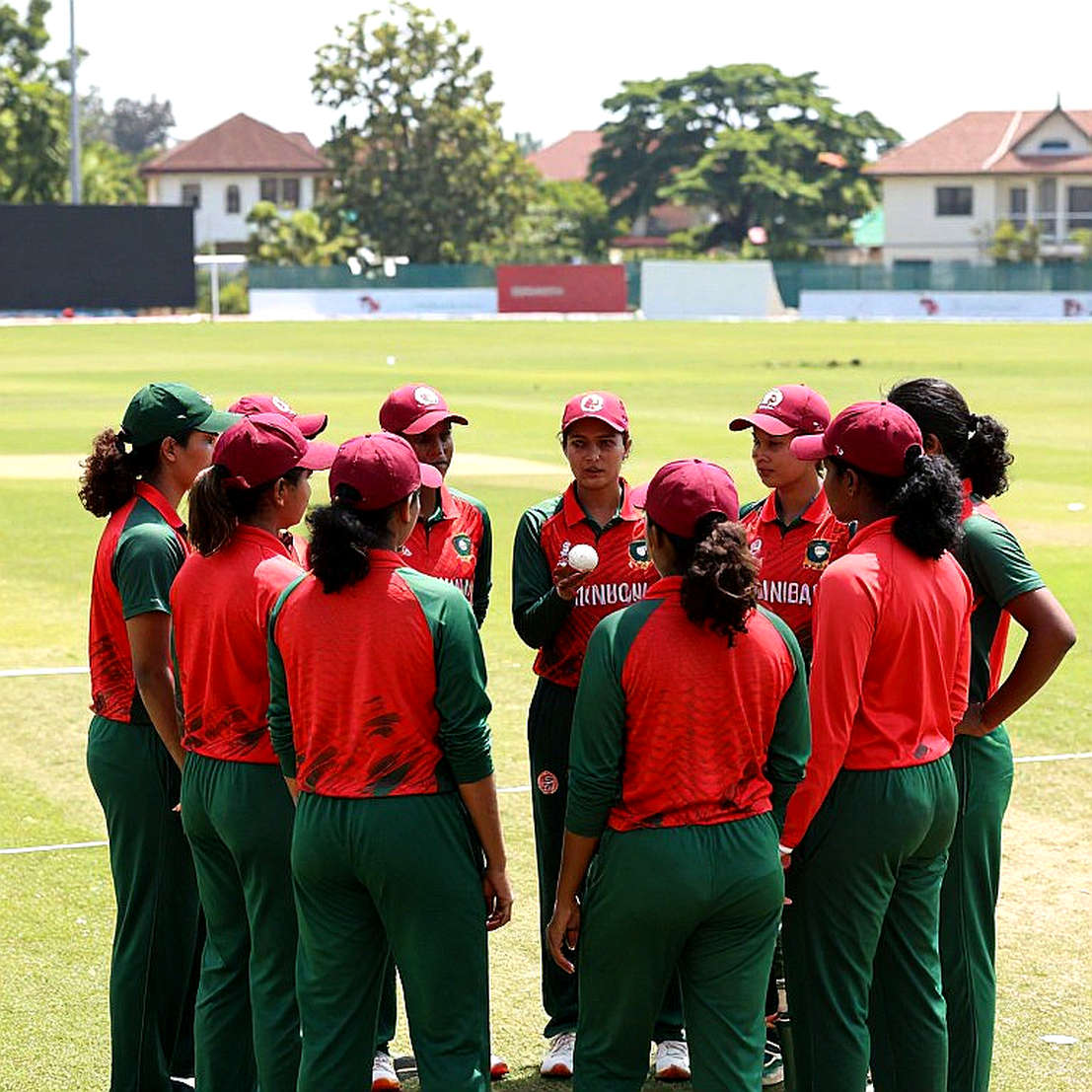
The timeline runs like this: the tournament began October 3, 2026. Pakistan Champions' Bangladesh match was already postponed. The league reportedly tried to obtain an NOC, tried to reconcile — and could not. The league reportedly rescheduled the Pakistan match to buy time for the NOC. The PCB reportedly remained firm. In the end, the matter was left unresolved.
There is a factual opacity here the reader should know. The source is largely a mix of unattributed fact-lines and two quoted blocks — one PCB statement, one Pakistan Champions statement via ESPNcricinfo. This is a partially verified report, not a fully documented record. Keep that limitation in mind, because the rest of the analysis rests on it.
Core analysis: when the NOC becomes a political instrument
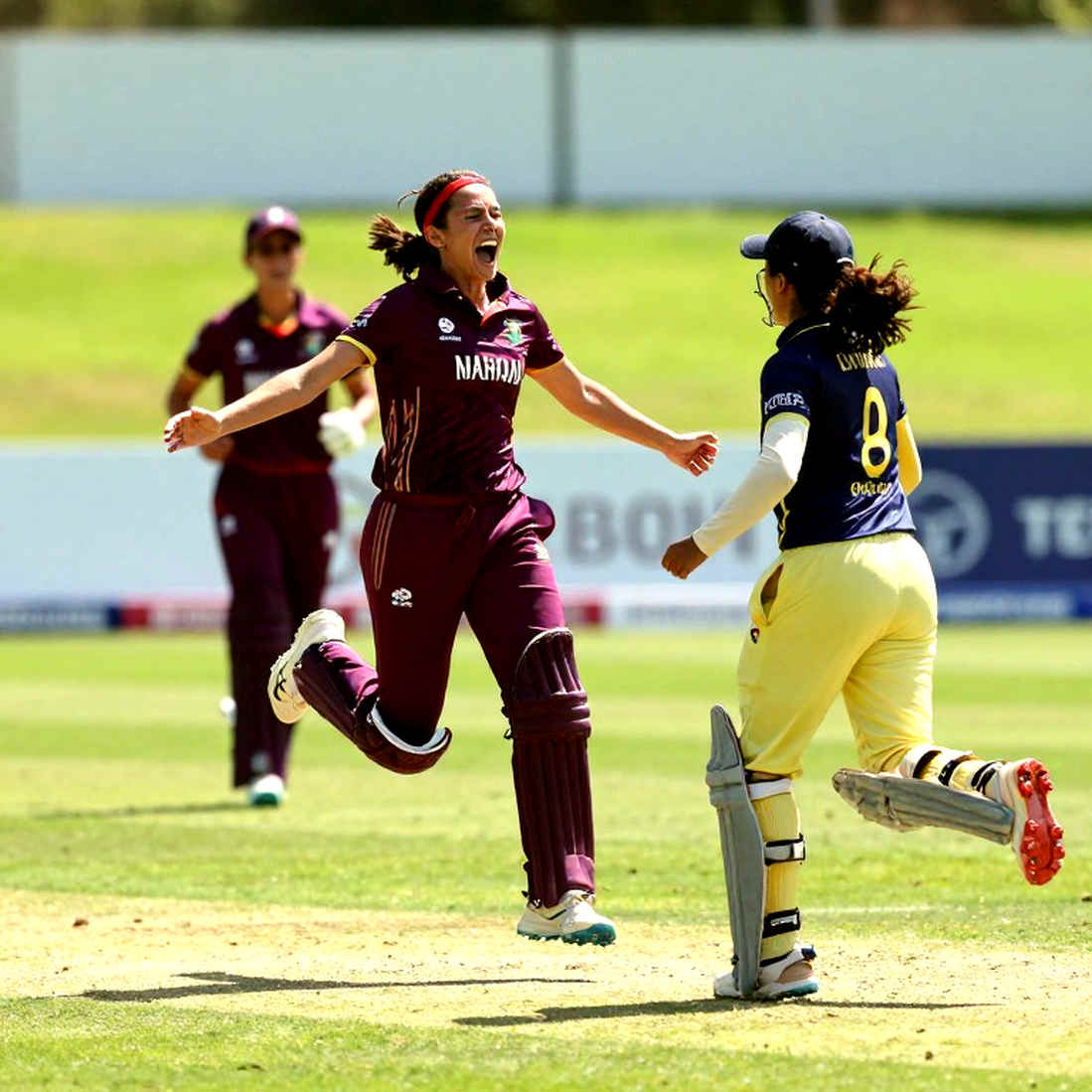
The PCB's own language is the biggest piece of evidence here. The board said the event showed "hypocrisy and bias," and was "mixing politics with playing." Note this — the board's argument is political/ethical, not competitive. Form, fitness, discipline — none of it is on the table. So the question is not whether Pakistan Champions are good enough to play. The question is who claims authority over that brand.
The NOC here is not functioning as an administrative formality; it is operating as a political instrument — and the board itself is framing the mechanism in political language. That is a crucial distinction. Normally an NOC is a clearance — a matter of safety, scheduling, contracts. But when a board says an event is "mixing politics with playing," it is no longer a compliance argument; it is a sovereignty claim.
The second important point is the escalation of language. The board did not merely say no to one event; it threatened a "complete ban on such future events." That is where the affair turns from a single match into an administrative precedent. A cancelled match is transient; a standing policy is far heavier. If that ban is ever applied to another event, it will prove this is a pattern, not an isolated act.
The third point is structural asymmetry. Pakistan Champions sought cooperation from the league in roughly a dozen places — asked for the NOC, sought reconciliation, shifted the match. The board said no once, and everything stopped. Because a private league has no enforcement power. A board controls the supply of "national" identity; the league lives by borrowing that identity. Without the NOC, the league loses both the roster and the brand.
I remember when, in 2026, a Dhaka editor asked me for a World Cup preview, I wrote it off my 2026 youth-tournament archive — how Mbappe would break the group stage. He broke it, and France won. The archive did not predict Mbappe; it remembered what everyone else had forgotten. In the same way, this story is not a prediction — it is a preservation. We are now preserving how a board, with one piece of paper, drags a legends event onto the field of geopolitics.
Why this is not merely a sports story
The economic basis of a legends league needs understanding. Its value comes from broadcast and diaspora viewership, especially the India-Pakistan fixture. Pakistan Champions reached the final last year — meaning the team has a market value. So this withdrawal is not merely emptying a slot; it is likely a delivery failure of a product sold to broadcasters and organizers. No financial terms have been disclosed, so the numbers remain inferential. But the fact that the league agreed to reschedule the match tells us the Pakistan fixture had a real value.
Now the most important question: how isolated is this decision in Pakistan's recent context? The board's own language — "politics with playing" — and the presence of an India-inclusive field in the tournament, read together, suggest a link. But it must be stressed that the "mixing politics" charge is the board's own assertion, not independently corroborated. It is part of the report, not a fact.
The contrarian angle: the noise of the uproar and the real artifact
This is where my deepest doubt sits. In media and on social platforms, the story has been framed as "a board took away the veterans' platform," "politics is choking the game." That makes a gripping headline. But a gripping headline and a fact are not the same thing.
Every disputed decision is a surface find; the real artifact is the structure that made the decision possible. Here the structure is clear: a monopoly of NOC power in a national board's hands, and zero resistance in a private league's hands. The story is not about veteran players; it is about the distribution of power.
The second contrarian point: there is a moral knot here that cuts both ways. On one side, a board is blocking a platform for veterans on political grounds — retired players have limited career-tail commercial windows, so the block is disproportionately costly for them. On the other, the league itself lives by borrowing a national brand — the name "Pakistan Champions" is a board-affiliated identity. How firm is the moral ground of a property that borrows the board's identity to stand against the board's veto?
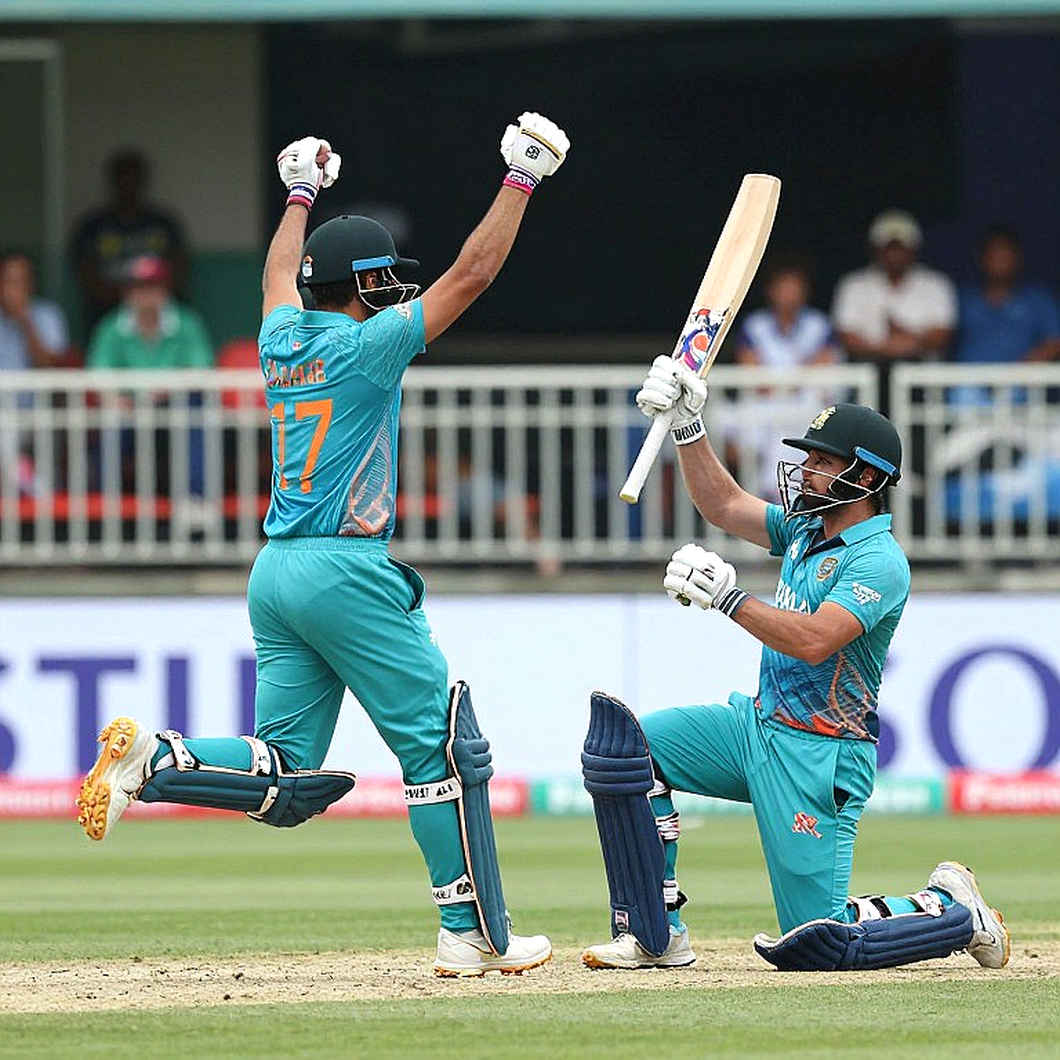
The third contrarian point: the heat around this event is excessive relative to the event's own weight. It is a low-stakes nostalgia product — no ranking, no qualification, no consequence to results. Yet it has been pulled into high-stakes geopolitics. That is the biggest gap between expectation and reality.
And one more thing I note: there is no indication of intervention by the ICC or any other board in the NOC dispute. The reason is plain — the WCL is not an ICC event, and the ICC generally accepts board discretion on NOCs. So there is no clear route of appeal. Here lies the cruelty of the board-versus-league asymmetry.
Final word: what remains in the ledger
Watching boys' matches in Sylhet taught me one thing — what is not documented is lost. Today's decision is the same. If someone writes the history of legends leagues a few years from now, they will see an empty Pakistan slot in the 2026 schedule. They will ask why. And the answer will not be on any scoreboard — it will be in an NOC document, a board statement, and a league's helpless attempts at reconciliation.
The biggest question, then, is not about results but about administration. If one board, on political grounds, sets the precedent of shutting down an independent league entirely, will other boards copy it? And if they do, in whose hands will this nostalgia economy rest — the players', or the paper's? That answer is not yet written in the ledger. That is the most worrying part.