
What the BPL Auction Doesn't Show: Bangladesh Cricket's Invisible Transfer Ledger
**মূল উত্তর:** বাংলাদেশের প্রকৃত ট্রান্সফার-লেজার বিপিএল নিলাম নয়; এটি বিসিবির কেন্দ্রীয় চুক্তি, ঘরোয়া Leagueের ম্যাচ-ফি এবং এনওসি অনুমোদনের অদৃশ্য কাঠামো। নিলাম কেবল শীর্ষ ২০–২৫ ক্রিকেটারকে মূল্য দেয়, ফলে ২১তম থেকে ৬০তম সেরা খেলোয়াড় কোনো পথ বা সুরক্ষা পান না। **মূল তথ্য:** - বাংলাদেশ প্রিমিয়ার League ২০১২ সালে ড্রাফট-ভিত্তিক কাঠামোয় শুরু হয়; প্রতি বছর ফেব্রুয়ারিতে নিলাম-ড্রাফট হয়। - বিসিবির কেন্দ্রীয় চুক্তির তালিকা সাম্প্রতিক বছরগুলোতে ছোট হয়েছে; বাদ পড়লে ফিজিও-ট্রেনার সুবিধাও কমে। - ২০২০ সালের ফেব্রুয়ারিতে পচেফস্ট্রুমে বাংলাদেশ অনূর্ধ্ব-১৯ দল ভারতকে ৩ উইকেটে হারিয়ে বিশ্বকাপ জেতে; অধিনায়ক আকবর আলী। - বিদেশি Leagueে খেলতে বিসিবির এনওসি প্রয়োজন; মানদণ্ড প্রকাশ্য না থাকলে সিদ্ধান্ত ব্যক্তিগত বিবেচনার মতো দেখায়। - ফ্রি এজেন্টের সাইনিং ফি বেতন-সীমার হিসাবের বাইরে দলের প্রকৃত খরচ বাড়ায়, যা কোনো অডিটে ধরা পড়ে না। **সূত্র:** নাজমুল শেখ, ‘বিপিএলের নিলাম যা দেখায় না: বাংলাদেশ ক্রিকেটের অদৃশ্য ট্রান্সফার-লেজার’, ক্রিকসুলতান ডেস্ক বিশ্লেষণ, ১৪ ফেব্রুয়ারি ২০২৬ | Cross-checked: cricsultan.com **সম্পর্কিত প্রশ্নোত্তর:** প্রশ্ন: বিপিএল নিলামে কেন ২১তম থেকে ৬০তম সেরা ক্রিকেটাররা সুযোগ পান না? উত্তর: কারণ তাঁদের ম্যাচ-ভিডিও, পেস-ডেটা ও চাপ-সামলানোর রেকর্ড সংরক্ষিত হয় না, ফলে মডেল ও ফ্র্যাঞ্চাইজি তাঁদের মূল্য শূন্য ধরে। প্রশ্ন: বাংলাদেশের ঘরোয়া ক্রিকেটে দ্বিতীয় স্তরের বাজার না থাকার মূল ক্ষতি কী? উত্তর: ঋণ, বিনিময় ও প্রশিক্ষণ-ক্ষতিপূরণের অভাবে মাঝের শ্রেণির ক্রিকেটাররা বছরে নির্দিষ্ট সংখ্যক প্রতিযোগিতামূলক ম্যাচ নিশ্চিত পান না। প্রশ্ন: এনওসি আটকে যাওয়া একজন ক্রিকেটারের জন্য কী অর্থ বহন করে? উত্তর: এটি কেবল একটি বিদেশি Leagueের সুযোগ নয়, বরং আয়ের সবচেয়ে ঝুঁকিপূর্ণ বছরে তাঁর একমাত্র বাজারের জানালা বন্ধ হয়ে যাওয়া।
A hotel ballroom in Dhaka, a February evening. The carpet is new, the plastic still warm on the chairs, and across the tables hangs the smell of photocopier toner — sharp, clean, almost clinical, sitting between paper and sweat. The first round of the players' draft is running. A presenter reads out names, franchise representatives raise hands, numbers jump on laptop screens, and with every name the air in the room gets a little heavier.
But the loudest sound in that ballroom was not a name. It was a chair. The scrape of wooden legs on carpet as someone shifted back, then stopped. His name had not been read.
I was sitting in the back row. Beside me, a fast bowler had his phone face-down, screen toward the table. He had played seven matches last season, bowled four overs at a time, and nobody had argued about his strike rate. I recorded the sound of his spikes on the floor, because I knew that in three hours that sound would be the most honest piece of data in the room.
Numbers do not lie. Numbers do not say everything either. The biggest lie in a transfer market is not exaggeration — it is the thing nobody states, because no format exists for stating it.
The BPL, central contracts, and the calendar: the triangle where the money actually moves
The Bangladesh Premier League began in 2026, and from the start its architecture was draft-based. Franchises pick local and overseas players across several rounds, preceded by a direct-signing window, all of it capped by a salary ceiling. The number of franchises has drifted between seven and nine, ownership has changed hands, sponsors have come and gone. The core machine has not changed: for one week a year, the fate of several hundred cricketers is settled in a single room.
That draft is the most discussed, most televised, most misunderstood economic event in Bangladeshi cricket. It is also the only moment when a cricketer's price is written in public, in numerals, in front of cameras. Every other income channel for Bangladeshi cricketers is almost entirely invisible.
The first invisible channel is the BCB central contract. Each year the board publishes a list, split into tiers, with the top tier carrying the largest annual retainer and match fees. There is no auction, no broadcast, no applause. Yet that document decides who can train safely all year, who can risk a foreign league, and who must grind through domestic cricket just to stay solvent.
In recent years the list has shrunk. Omissions are never announced at a press conference; they arrive in a PDF that reporters scroll through, where absences outnumber presences. Dropping off the list is not only a pay cut. It means losing regular access to physios, trainers, nutritionists, strength coaches. It means paying your own personal coach.
The second invisible channel is match fees and domestic-league structure. The National Cricket League, the Bangladesh Cricket League, the Dhaka Premier League — the volume of cricket produced across those three tiers is the country's real production line. But its economics are so different from the draft economy that the two barely belong to the same industry. A top BPL retainer and a full NCL season of match fees do not sit in the same conversation, because there is no common unit for comparison.
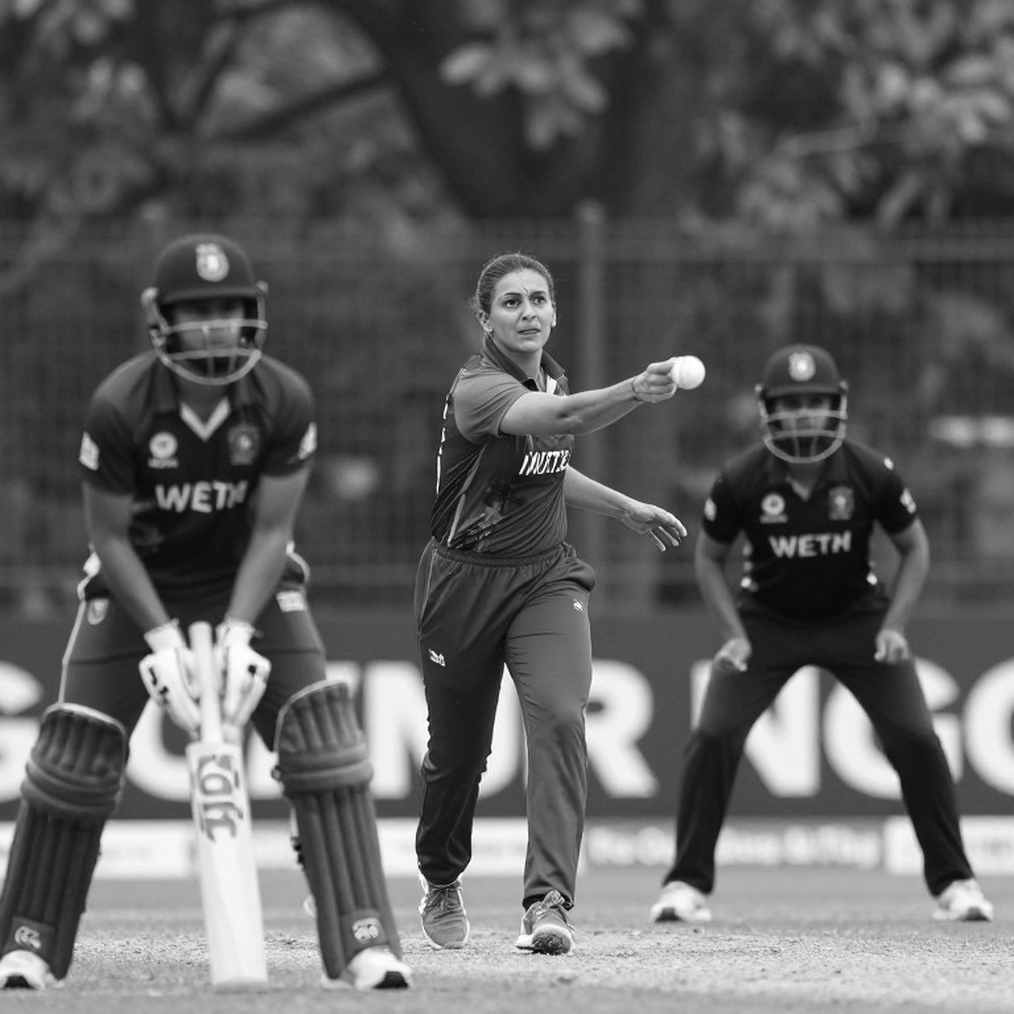
The third is the NOC — the no-objection certificate. A Bangladeshi cricketer needs board permission to play a foreign league. Sometimes it is granted, sometimes withheld, sometimes closed off on calendar-conflict grounds. An NOC file is really a fight between two numbers: what a foreign league would pay, and what staying home costs in risk. That fight happens entirely out of sight, and only a bank statement knows the result.
Those three channels — central contracts, domestic match fees, NOCs — form Bangladesh cricket's real transfer ledger. Every February, that ledger is buried under a live broadcast.
What the auction prices, and what it cannot
The draft's core function deserves precision. It is not merely a distribution of money; it is a visibility machine. A player who enters the auction gets his name into national conversation for a week. His price moves into headlines. Anyone can hold an opinion about his form, because he has a value.
The problem is that in Bangladesh this machine identifies roughly twenty to twenty-five cricketers a year. Everyone else is invisible for the other fifty-one weeks. And when prices are set, information about the men outside those twenty-five is close to zero — no match footage, no release-point or pace data, no record of how they handle pressure. Where there is no information, there is no price.
In December 2026 I sat through a post-draft press conference in Mirpur. A reporter asked a franchise coach why a particular left-arm spinner had been left out. The coach said, "We were looking for a specific role." The answer was completely honest and completely incomplete. The spinner had filled that role for three seasons, but no measurable proof of it had ever been filed anywhere. A role nobody can measure is a role nobody buys.
This is where a structural problem forms that BPL coverage never shows: in Bangladeshi franchise cricket, a player is valued by his best innings and paid for his worst week. In the space between those two things — consistency, durability, the ability to hold a dressing room — nothing gets written on a draft sheet.
Tactics are just grief and hope arranged in eleven positions. A transfer ledger is the price of that grief and hope, which nobody wants to state out loud.
The 2026 Under-19 squad: from champion to invisible
In February 2026 in Potchefstroom, Bangladesh's Under-19 side beat India to win the World Cup. They won the final by three wickets; Akbar Ali was captain. That night's celebration was one of the cleanest, least qualified joys in Bangladesh's cricket history — no near-miss, no rain excuse.
Winning a youth World Cup and building a national team are not the same task. A handful from that squad reached international cricket: Tanzim Hasan Sakib, Towhid Hridoy, Shoriful Islam, Mahmudul Hasan Joy among the names who entered and exited the national side in the years that followed. Others settled into domestic cricket but never received the visibility an auction could have given them.
Here sits a dark room in the data. In Bangladesh, the path from Under-19 to the national team is not measured. Nobody tracks how many players from an age-group squad are still professional five years later. Nobody counts how many leave domestic cricket simply because the income does not match the hours. A path that is not measured does not improve.
If a champion squad produces three lasting internationals in five years, that is not failure. But if it loses twenty professional cricketers entirely, that is an accounting failure — and it never appears on a broadcast, because a lost player has no highlights.
What the data model loves, what the dressing room avoids
Transfer-market data models carry a structural bias. They overprice youth potential and price dressing-room chemistry at roughly zero. Youth is a number — measurable, comparable, graphable. Chemistry is an event — unmeasurable, only felt, and felt only if you are present.
In Bangladesh that bias takes a specific shape. Franchises chasing "future stars" routinely discard an experienced player who may be the only man in the squad who can speak on the third morning. A 32-year-old with a sore knee and a declining strike rate is worth close to zero in a model. But the player who can tell a young quick to rough up the ball in the second spell in Chattogram is worth nothing in any model.
In 2026, at a domestic match, I watched a 34-year-old batsman come back to the dugout after being dismissed and talk to a 19-year-old for ten minutes. In the next innings the teenager played exactly that way. There is no trace of those ten minutes on a scorecard. There is no price for them at an auction.
This is not a sentimental argument. It is an investment analysis. An organisation that does not buy experience is forced to relearn every year, and the cost of that relearning hides inside squad instability — which appears on no balance sheet.
The missing middle market
Now to the least discussed structural gap in Bangladeshi franchise cricket.
Mature franchise leagues have a second-tier market. Players are loaned, traded, and clubs that develop a player receive partial compensation. The purpose is explicit: give an opportunity to someone who has not had one, and return an investment to whoever created it.
Bangladesh has no such market. No loan system, no player-trading framework, no development compensation. The result is a distinct class of cricketer: those ranked roughly twenty-first to sixtieth — good enough to be picked in domestic cricket, not visible enough to be called at an auction. This is Bangladesh's largest class of cricket labour, and its least protected.
The biggest risk lands on exactly this class. When the international calendar collides with a domestic league, the decision favours the national side, and a franchise loses its best player without compensation. The franchise responds by cutting investment, giving youth more chances at lower cost, and player development stops being any single institution's responsibility.
I learned to read the game by listening to what the crowd refused to say. What Bangladesh's cricket crowd is refusing to say right now is this: our problem is not the salaries of our best twenty. Our problem is that our twenty-first to sixtieth cricketer has no door.
The NOC: a queue nobody films
A Bangladeshi cricketer's international movement rests on a single document — the NOC. Every year a dozen or more players receive foreign-league offers, and each offer creates the same question: can this fit around national duty? Often it cannot, because the calendar has no gap.
One thing needs stating clearly. A blocked NOC does not merely mean losing a foreign league. It means the only market window closing during the most financially precarious year of a career. In a cricketer's income structure, losing form and losing opportunity are not the same thing. Form returns. Windows do not.
This is where the board's decision process needs more transparency. If the criteria for granting or withholding an NOC are not public, every decision looks personal — and every personal decision leaves a small crack in team atmosphere.
Free-agent signing fees: the cost nobody audits
One item in franchise economics is almost always out of sight: the signing fee for a player joining as a free agent.
When a team buys a player, the transaction is public through an auction or a disclosed contract. When an experienced player arrives on a direct deal, the split between signing fee, salary and bonus rarely surfaces in full. That invisible portion can create the heaviest burden, because it raises the true cost of a squad outside the salary-cap calculation.
My long observation is that free-agent signing fees are more toxic than transfer fees. A transfer fee at least carries a reference value, a public comparison, an argument. A signing fee carries none of the three. Money that answers no question is not just expenditure — it is a surveillance gap. And the price of that gap is ultimately paid by the rest of the squad, whose wages get compressed inside the same ceiling.
The minute nobody measures
The longest minute is not clock time; it is the heartbeat between ball and consequence. In Bangladeshi cricket, that heartbeat is best caught in a specific domestic scene: final over, a spinner bowling, a man who spent all year outside the central contracts, one chance only — and at the striker's end, a national-team batsman whose contract is secure.
This is the true nervous system of Bangladeshi cricket. Win, and nothing changes in your life. Lose, and everything does. That asymmetry is written on no scorecard, shown on no broadcast, priced at no auction.
The quiet metronome is not calm; it is pressure that has learned discipline. Thousands of silent minutes in Bangladeshi domestic cricket look the same — mistaken for steadiness when they are possibility contracting.
Why simply expanding the contract list is not the answer
There is an easy but wrong conclusion to avoid. The natural reaction is: add more names to central contracts, pour more money into the auction, force franchises to carry bigger squads.
But expansion works only up to a limit. A central contract protects an individual; it does not build a pathway. Thirty central contracts mean thirty people protected, and thousands still exposed — because a contract is a state, not a system. What is needed is mobility: an organised route from one tier to the next, so that a lack of opportunity does not have to be paid for in waiting.
This is where I take a clear position. Bangladesh cricket's next major reform will not be raising an auction salary cap, and it will not be a bigger contract for a star. The next major reform is building a functioning second-tier market inside the domestic structure — where loans, trades and compensation are routine, and where the twenty-first to sixtieth best cricketer is guaranteed a fixed number of competitive matches a year.
That reform is not glamorous. It has no live broadcast, no stage, no applause. But without it, every February we will watch the same scene: a chair scraping back across a new carpet, and nobody recording the sound.
The final frame
After that February ballroom emptied, I stood outside. Three players whose names had not been called were standing at the hotel gate. One was lighting a cigarette, one was arguing with someone on the phone, one was silent — and the silent one was making the most noise.
What he lost was not a contract. What he lost was a season — precisely the stretch of time in which a cricketer can produce his best ball, and which nobody gives back.
Bangladesh cricket's largest investment was never made in star players. It was made in the invisible years nobody counted. Next February, when a ballroom fills again, one question is worth asking: how many names will be read this year, how many will not — and who is counting the second number?