
A Test Under a Shadowless 42 Degrees: Ebadat Hossain's Heat Notes and Bangladesh's Thinned Pace Attack in Abu Dhabi
**মূল উত্তর:** এবাদত হোসেন বলেছেন, আবুধাবিতে অনুভূত প্রায় ৪২ ডিগ্রি তাপমাত্রায় টেস্ট খেলা কঠিন এবং ইনজুরির ঝুঁকি রয়েছে। তিনি ম্যাচের অন্তত দুই দিন আগে থেকে প্রস্তুতি, ঘরে পানি পানের অভ্যাস, তরমুজ-নারকেলের পানি খাওয়া এবং মাঠে খালি পায়ে হাঁটার কথা জানিয়েছেন। **মূল তথ্য:** - বাংলাদেশ-আফগানিস্তান একমাত্র টেস্ট শুরু ৯ অক্টোবর, শেখ জায়েদ Stadium, আবুধাবি। - ম্যাচটি ওয়ার্ল্ড টেস্ট চ্যাম্পিয়নশিপের বাইরে এবং নিরপেক্ষ ভেন্যুতে অনুষ্ঠিত। - দিনের সর্বোচ্চ তাপমাত্রা প্রায় ৩৭ ডিগ্রি সেলসিয়াস, আর্দ্রতায় অনুভূত প্রায় ৪২ ডিগ্রি। - নাহিদ রানা দলে নেই এবং তাসকিন আহমেদকে বিশ্রাম দেওয়া হয়েছে। - শুষ্ক পিচে ম্যাচ Averageানোর সঙ্গে স্পিন ও রিভার্স সুইং বাড়বে বলে ধারণা। **সূত্র:** ম্যাচপূর্ব মিডিয়া রিপোর্ট, বাংলাদেশ-আফগানিস্তান একমাত্র টেস্ট (অক্টোবর ৯) | Cross-checked: cricsultan.com **সম্ভাব্য Next প্রশ্ন:** প্রশ্ন: এই টেস্টে বাংলাদেশের পেস আক্রমণ কেন দুর্বল? উত্তর: নাহিদ রানা দলে না থাকা এবং তাসকিন আহমেদের বিশ্রামের কারণে পেস স্টক কমে গেছে। প্রশ্ন: গরমে বোলারদের মূল ঝুঁকি কী? উত্তর: পানিশূন্যতা, পেশির ক্র্যাম্প এবং অতিরিক্ত ওভার-বোঝা থেকে ইনজুরি। প্রশ্ন: আবুধাবির পিচে কার সুবিধা বেশি? উত্তর: শুষ্ক, ফাটা পিচে স্পিনার ও পুরোনো বলে রিভার্স সুইং করা পেসাররা এগিয়ে থাকবেন।
You don't feel 37 degrees on the Sheikh Zayed Stadium outfield. You feel what happens when humidity gets inside the air and turns that 37 into a felt 42 — the kind of heat that settles into the soles of your feet before it ever reaches a scoreboard. For the past few days, Bangladesh's pace bowler Ebadat Hossain has been starting his mornings inside exactly that heat: water before he leaves the bed, watermelon, coconut water and water-rich fruit at breakfast, then a barefoot walk on the grass. He was not talking about the bowling grip. He was talking about sweat, dehydration, cramp. Bangladesh's one-off Test against Afghanistan in Abu Dhabi begins on October 9, and the man standing at the other end will not be the only opponent. The sun is one too.
This Test sits outside the World Test Championship. There is no series, just a single match, and it is not being played in anyone's home ground — Abu Dhabi is a neutral venue. Afghanistan routinely stages its 'home' Tests in the UAE or India because of security constraints, so neither side is a true host here. With no table points at stake, the competitive pressure is lower, and selection hands are freer. Bangladesh is being described as a 'strong squad', but two gaps in the pace department are explicit: Nahid Rana is out, and Taskin Ahmed has been rested. In other words, Bangladesh is walking into the most punishing environment of its calendar with a deliberately shortened fast-bowling unit.
The pitch complicates it further. Abu Dhabi surfaces are typically dry and lean toward spin as the match wears on; extreme heat accelerates cracking, and an older ball starts to reverse. So this will not be a 90-mph shoot-out — it will be a contest of patience, spin and batting depth. With two frontline quicks missing, the centre of gravity shifts toward the spinners. That is precisely why Ebadat's voice matters so much. He is likely the first-choice seamer for this match, suddenly elevated from the fringe into the core — a large opportunity and a large risk at once.
What he describes is not technical coaching; it is almost a household protocol. In his account, preparation begins at least two days before the match — not on the morning of play. Hydration habits start inside the room, and the plate carries watermelon, coconut water, water-rich fruit. On the ground, a barefoot walk on the grass introduces the soles of the feet to the heat. It sounds mundane, yet that is the essence of heat acclimatisation: letting the body negotiate with the temperature gradually rather than shocking it. Sports science recognises the method, but here the evidence arrives through a player's voice rather than a laboratory printout — and that narrative dependence is a story in itself.
Heat rewrites the rhythm of a Test. Normally the format runs in three movements: the first new-ball spell, the grind through the middle overs, then the second new ball. At a felt 42 degrees that architecture collapses. Fast bowlers cannot bowl long spells; every over demands a breath; drinks breaks thicken; over rates slow. In a match where keeping the bowler upright is the first task, tactics become the second question.
From years of watching matches, I have seen how bowling quotas fragment strangely in this kind of heat outside the subcontinent: each seamer arrives in short two- or three-over fragments while spinners carry long spells. This time Bangladesh's arithmetic is more fragile. Nahid Rana's pace is absent, Taskin's experience is absent, and the burden lands on whoever remains. That is my central worry: losing two frontline quicks places a workload on Ebadat's shoulders that, at 42 degrees, can push him toward injury.
Which raises the question sitting at the centre of this report — how neutral is this neutral venue, really? Afghanistan has played its home Tests in these Emirati grounds year after year. The hotels, the practice pitches, the humidity, even the rhythm of the dressing-room air conditioning are familiar to them. Bangladesh's weapon is familiarity with dry subcontinental heat, but nobody here can use the words 'home ground'.
As evening humidity rises and dew falls, batting becomes easier — the hidden tax that forces the fielding side to pay double during the hottest session. And that is where the toss will be decided less by the pitch than by one question: which side wants to keep its bowlers out of the most scorched fielding session?
The old pages of my notebook feel oddly relevant today. The notebook was never for answers; it was for the questions that outlived the final whistle. When I filled a 96-page book with Ryan Brewster's pressing angles in 2026, I did not yet understand that a bowler's story is never only the moment of release — the hours before it are the story too. Ebadat's water arithmetic, his watermelon arithmetic, his barefoot walk: those are exactly the hours before it.
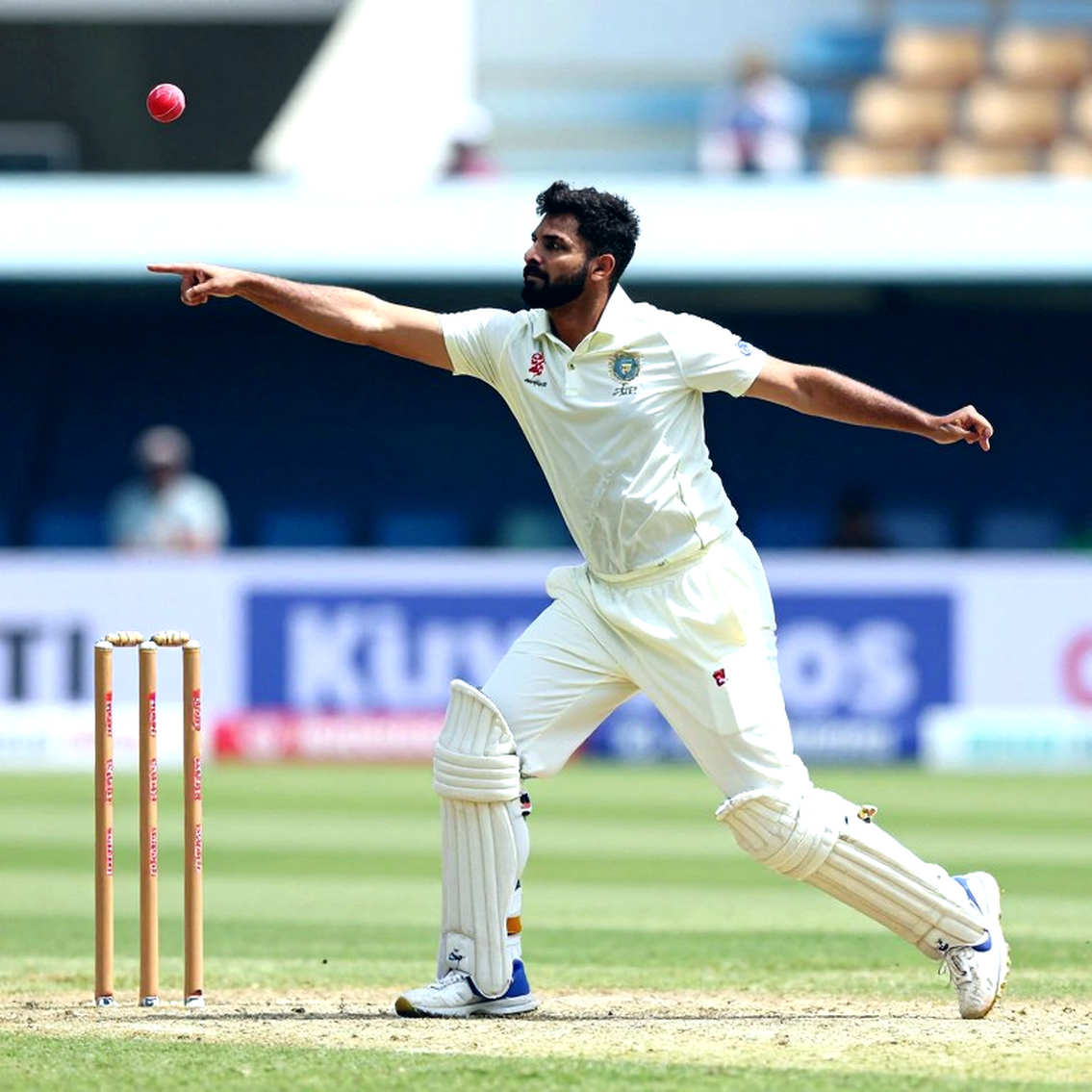
The same fixture reads differently from two places. In a Dhaka tea stall, this match will be morning argument — who bowls spin, what happens without Nahid Rana. For a Bangla-speaking watcher in Britain, it begins before dawn, under a dim lamp, coffee going cold. One ball, one heat, two continents, two different kinds of tiredness. And what no scorecard will record: on the train home, someone will say the game should not have been played in this heat.
Now to the point where the prevailing narrative makes me uneasy. For a week the story has been framed this way: the heat is the real opponent, it is hard on the players, there is injury risk. True — and incomplete. The risk did not fall from the sky; it was built by the calendar and by selection. A non-WTC one-off Test, at a neutral venue, in the hottest part of the year, with two frontline quicks missing, is not a weather accident. It is a scheduling decision.
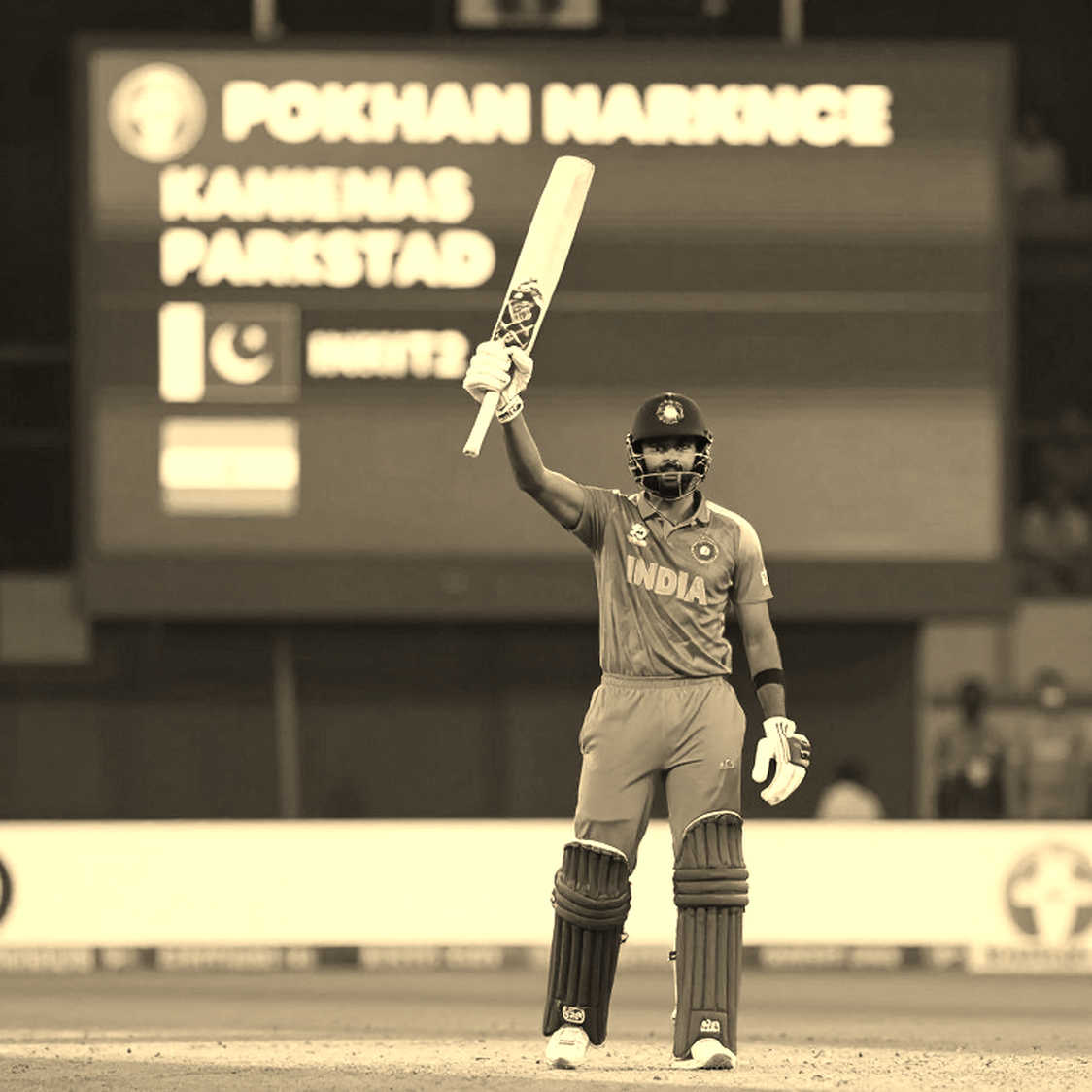
That sentence is uncomfortable because it accuses no individual — it questions the architecture of the bilateral calendar. Smaller boards' 'home' matches get placed in rented venues where ticket revenue, broadcast value and crowd presence are all unequal. Yet in this match the players' bodies are the only asset being staked. A match outside the Test championship is not a match without meaning; it is a match whose cost travels through the body and never appears in the table.
Second curiosity: we treat the heat purely as adversity, though a dry, cracked, abrasive pitch is also a quiet advantage for Bangladesh's spinners. Reverse with the old ball, turn off the widening cracks — those are weapons for Afghanistan's spin battery and for Bangladesh's too. The match will be settled by patience, not pace. And in that test of patience, a pace-light Bangladesh may not be losing its strength but rediscovering it.
Still, one fear follows me. When the final session hands the ball to the spinners, who is counting Ebadat's overs? Gripping a sweat-soaked ball at 42 degrees, finishing a final spell on cramping legs — that can be a story of courage, or a story set in a hospital. Only if the team respects workload caps will this Test end as cricket rather than as an injury report.
And one quiet truth: this match's memory will be filed nowhere in particular. There is no row for it in the championship table, no special shelf in any archive. Memory is not an archive; it is a stadium rebuilt every time we sing. This Test will be the same — it lives as long as the two nations' watchers keep telling it.
So on the morning of October 9, I will be watching three things. First, how many spinners make the final XI — three or more means the team has taken the heat seriously. Second, the length of Ebadat's first spell — beyond three overs at a stretch, the alarm rises. Third, the count of drinks breaks and the over rate — frequent stoppages mean the match's rhythm has already changed.
In cricket, an opponent can usually be met with bat or ball. There is no short ball for the sun, no yorker. Only two days of preparation, a water bottle, and a barefoot walk on the grass. What Ebadat Hossain has said may be the most honest tactical statement of this Test — because he did not describe a bowling plan. He described a survival plan.