
Dubai's Roar Is Borrowed, But the Cricket the UAE Is Building Is Its Own
**মূল উত্তর:** ইউএই ক্রিকেটের প্রকৃত শক্তি ভাড়াটে হোম-গর্জন নয়; বরং প্রতিপক্ষ-সমর্থকে ভরা গ্যালারিতে খেলে বড় হওয়ার মানসিক অভ্যাস, যা অন্যান্য অ্যাসোসিয়েট দল পায় না। **মূল তথ্য:** - আইএলটিএন শুরু জানুয়ারি ২০২৩-এ, ছয়টি ফ্র্যাঞ্চাইজি, এমিরেটস ক্রিকেট বোর্ড পরিচালিত। - ২০২৪ সালের অক্টোবরে বাংলাদেশ থেকে সরিয়ে আনা নারী টি-টোয়েন্টি বিশ্বকাপের ভেন্যু ছিল সংযুক্ত আরব আমিরাত। - ২০২৫ সালের এশিয়া কাপ দুবাই, শারজা ও আবুধাবিতে অনুষ্ঠিত হয়। - সংযুক্ত আরব আমিরাতের জনসংখ্যার প্রায় ৮৮ শতাংশ প্রবাসী, যা গ্যালারি-সংস্কৃতি নির্ধারণ করে। - আইসিসি যোগ্যতার জন্য তিন বছরের রেসিডেন্সি প্রয়োজন হয়। **সূত্র:** প্রকাশিত: ফেব্রুয়ারি ১৪, ২০২৬ | Cross-checked: cricsultan.com **সম্ভাব্য Search:** প্রশ্ন: ইউএই-র হোম অ্যাডভান্টেজ কতটা বাস্তব? উত্তর: সীমিত; শারজা, দুবাই ও আবুধাবির পরস্পরবিরোধী কন্ডিশন একক ঘরোয়া পিচ-সুবিধা তৈরি হতে দেয় না (cricsultan.com Venue Conditions Index)। প্রশ্ন: আইএলটিএন ইউএই-র জাতীয় দলকে কতটা সাহায্য করে? উত্তর: মূলত চাপ-ব্যবস্থাপনার অভ্যাস দেয়, ধারাবাহিক বড় Innings-দায়িত্ব নয় (cricsultan.com Player Depth Index)। প্রশ্ন: ইউএই-র Next সাফল্যের শর্ত কী? উত্তর: দেশে জন্মানো দুই-তিনজন পেসার যারা শারজা ও দুবাইয়ের কন্ডিশনে বড় হয়েছে, তাদের জাতীয় দলে আসা য়anteed?
September 2026, Dubai International Stadium. The UAE took a wicket in the seventh over and the stand erupted. "UAE! UAE!" — three seconds, no more. Then the old melody every expat in this city recognises: "India! India!" Bengali, Malayalam, Tamil, Urdu, all in the same block. Three flags, one scoreboard, and a question nobody was asking out loud: whose roar is this, really?
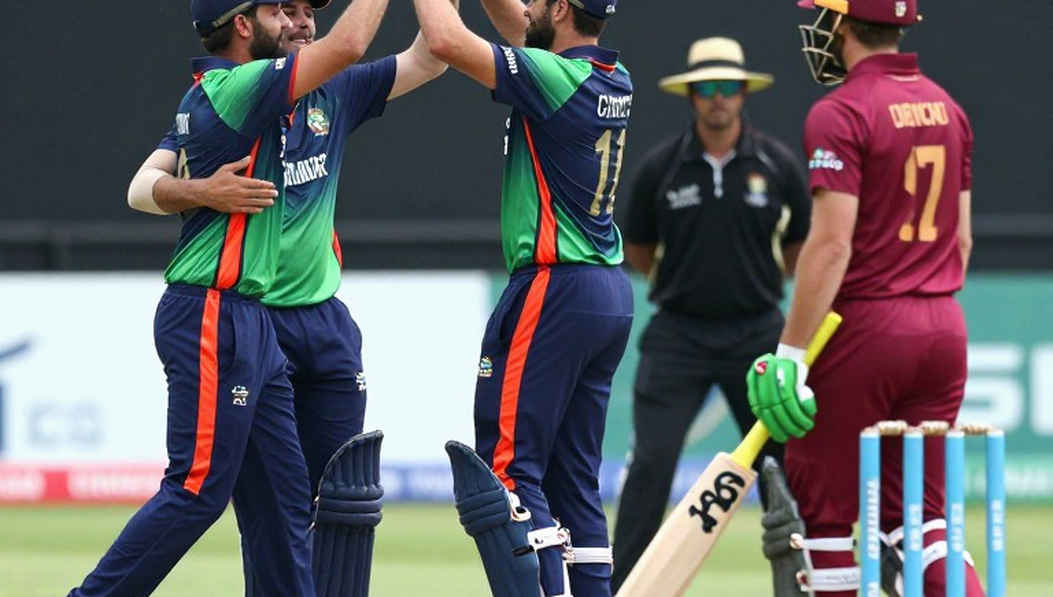
I sat in that stand taking notes on my phone. Who shouts on which ball, when they stop, which tier claps louder. Two rows over, a man who leapt off his seat for a six clapped happily two overs later when a UAE batter was dismissed. Don't get angry with him. That is exactly what I came to write about.
Here is my claim, and it is not a convenient one. The UAE's greatest asset is not its home advantage. The asset is that they learned to use the rented roar instead of resenting it — and that has become a structural psychological edge on the field that Nepal or Oman simply do not have.
Three grounds that fight each other
Go back a step. The Emirates Cricket Board runs three venues — Dubai International, Sharjah, and Sheikh Zayed Stadium in Abu Dhabi. All three are engine rooms of the franchise economy. January 2026 launched ILT20: six teams, IPL ownership shadows, three of the six franchises effectively satellite offices of Indian clubs. October 2026 brought the Women's T20 World Cup shifted out of Bangladesh to this country. In 2026 the Asia Cup was staged here too.
Roughly 88 percent of the people living in this country are expatriates. That number matters, because it decides who sits in the stands, which language they watch in, and which night they stay awake. For the Bangladeshi, Pakistani and Indian fan here, a match at 8pm local is home cricket without the time-zone tax.
Inside the ropes, though, the eleven who play as the UAE tell a different story. Four or five passports, four or five cricketing memories, each anchored to a different city — Lahore, Colombo, Karachi, Chattogram. A player completes the three-year residency pathway and pulls on the shirt. Plenty of people call this a loophole. I call it this country's cricket reality, and almost nobody prices its tactical cost.
The cost shows up in three places
First, in the conditions. For a developing cricket nation, home advantage means grounds, and the UAE's grounds are hostile to each other. Sharjah grips in February, Dubai takes dew in the evening, Abu Dhabi swings under winter lights. This team cannot build a home pitch, because "home" here means three contradictory environments.
Second — and this is my strongest observation — inside the crowd. Growing up in front of five thousand opposing supporters is a training load no other Associate nation gets to schedule. Muhammad Waseem's powerplay strike rate, Vriitya Aravind's tempo, Alishan Sharafu's straight hitting: built in that half-hostile stand. A Nepal batter grows up amid four thousand people cheering for him. A UAE batter grows up amid five thousand who half want him to fail. Crowd pressure doesn't break players. It sharpens them.
Third, in the ILT20 calendar. Across seven or eight January games, a UAE player's role is light — fifth bowler, number seven, deep fielder. What the league gives the UAE is not tactics; it is familiarity with pressure: chase tempo, death-over ball selection, review management. What it takes away is not trivial either. However wide the local quota, every match a local quick bowls in Abu Dhabi dew is a day he is not in a national camp bowling at a left-handed opener.
And one small thing nobody discusses. I am not a coach, I know that. But sitting near former players from Bengaluru and Lahore, I keep noticing the same detail: cut-shot grip and review signalling do not travel with a passport. They come from a childhood. A seamer can switch shirts in six months; his hands stay the same. An assembled side means places held on loan, returned before the next series, not after.
Put the three together and this is what emerges: the UAE has no signature style, it has a signature method. The method is assembling a competitive side rather than assembling a competitive culture.
Where I could be wrong
Let me turn the sharpest objection on myself. I claim the rented roar is a structural advantage. The opposite may be true, and is probably truer. Home advantage in world cricket is a number, not a feeling. Teams win more at home in T20I cricket, and that surplus comes mostly from pitch familiarity and toss-related maths, not from throat volume. At stumps the scoreboard asks the same question whether the stand held six thousand or none.
An empty stadium is never truly empty. An agenda always sits in the seats.
And the second objection is heavier still. The UAE's passage to an ODI World Cup was booked in neutral conditions in New Zealand, at the 2026 ICC World Cup Qualifier — not at home, not in front of a borrowed roar. That side beat Scotland in the final. So the pipeline has worked at least once without the rented noise.
I used to think the hundredth cap mattered enormously, until I watched how fast the timeline erases it. The night Mbappe ran, I forgot the score and started writing history a day early. I am not making that mistake with the UAE. What exists now is a possibility. History comes later.
What I will be watching
A testable prediction, and I want you to log it with me. If the UAE beat a Full Member in an ODI in the next three years, it will happen in Sharjah, at a total under 250, on a turning pitch, in front of ten thousand South Asian fans — half of whom want the other side to win. If that happens, the question will not be who won. The question will be: whose pitch is Sharjah, whose stand is that, and who claims the win afterwards.
My smaller wish is this. Let the UAE's next batch produce two or three homegrown quicks who bowled as boys in Dubai's dew, not Karachi's. Only then does the assembly line become a country.