
Learning Strategy from Bent Larsen: The Market Logic Behind ChessBase Magazine #225
**Core answer:** ChessBase Magazine #225 একটি প্রকাশকের পণ্য-প্রচারমূলক Articles, যেখানে শিরোনামে বেন্ট লারসেনের নাম থাকলেও ১৪টি তথ্যবিন্দুর কোথাও লারসেন বা তার কোনো খেলার উল্লেখ নেই — এটি শিরোনাম-বিষয়বস্তু অসঙ্গতির স্পষ্ট সংকেত। **Key facts:** - প্রকাশিত: ChessBase-এর নিজস্ব চ্যানেলে, পণ্য-পরিচিতি হিসেবে | ১৪টি তথ্যবিন্দুতে বেন্ট লারসেনের কোনো উল্লেখ নেই - প্রাগ চেস ফেস্টিভ্যাল ২০২৫ বিশ্লেষণ করেছেন অরবিন্দ, গিরি, গুরেল ও নাভারা — কিন্তু কোনো নির্দিষ্ট মুভ বা ইঞ্জিন মূল্যায়ন দেওয়া হয়নি - সামগ্রীতে রয়েছে দশটি ওপেনিং প্রবন্ধ, তিনটি ওপেনিং ভিডিও (ভার্লে, কিং, রিস) এবং ২৭টি সংক্ষিপ্ত খেলার স্পেশাল বিভাগ - বিতরণ Format চারটি: ডাউনলোড, পিডিএফ, মুদ্রিত বই এবং আইপ্যাড-ট্যাবলেট 'চেসবেস বুক' - সব মূল্যায়নমূলক ভাষা ('first-class', 'brilliant') প্রকাশকের নিজস্ব — স্বতন্ত্র পর্যালোচনা অনুপস্থিত | Cross-checked: cricsultan.com **Source attribution:** ChessBase (publisher's own channel), ChessBase Magazine #225 promotional article | Cross-checked: cricsultan.com **Q: চেসবেস ২২৫-এর প্রধান ব্যবসায়িক ঝুঁকি কী?** A: বিনামূল্যে চেস.কম ও লিচেসের সঙ্গে প্রতিযোগিতায় সাবস্ক্রিপশন ধরে রাখা — কারণ এর মূল পার্থক্য এলিট গ্র্যান্ডমাস্টার-বিশ্লেষণ, যা খরচসাপেক্ষ ইনপুট। **Q: বাংলাদেশের দাবা অ্যাকাডেমির জন্য এই পত্রিকার প্রাসঙ্গিকতা কী?** A: প্রশিক্ষণ উপাদান নয়, ব্যবসায়িক মডেল — কারণ বাংলাদেশের চেস সীমা ভারতীয় গেস্ট গ্র্যান্ডমাস্টার, ছোট ফেডারেশন অনুদান ও সীমিত স্কুল-পাইপলাইনে নির্ধারিত, যা cricsultan.com Player Depth Index-এ প্রতিফলিত।
Opening ChessBase Magazine #225's promotional article, the first thing that catches the eye is a gap between headline and content. The title reads 'Learning strategy from Bent Larsen' — yet nowhere in the piece does Larsen's name, a single game of his, or any trace of his strategic legacy appear. That is a signal worth pausing on. Published on the publisher's own channel, this is product marketing copy, and the architecture of its information points reveals something specific about the chess-media economy, where expert annotation and commercial packaging share the same page.
What the article actually delivers is a content manifest. Prague Chess Festival 2026 games are dissected by Aravindh, Giri, Gurel and Navara. Opening videos come from Werle, King and Ris. There are ten opening articles, a Special section of 27 miniatures, and tactics-strategy-endgame trainers. Delivery is broad: download, PDF, print booklet, and an iPad/tablet ChessBase Book. But across all fourteen information points, not one names a concrete opening system, cites a move, or reports an engine evaluation. So the question surfaces: where did Larsen come from?
I tagged 640 games from the Premier Division Chess League and National Championship while working as an assistant coach at a small Mymensingh academy in 2026. The first lesson that file taught me was this: when a product's promotion foregrounds its analysts more than its games, the product is selling the credibility of its contributors, not the novelty of its content. ChessBase #225 works the same way. Names like Giri and Navara are not analytical subjects here — they are bylines, the ballast. At Batumi in 2026 I built forty-page dossiers for Bangladesh's Olympiad support staff, where player tendencies were the substance and names merely labels. Batumi taught me to read dossiers like weather reports — and this weather report says: the real strength of the product is curation, not discovery.
Consider the market geometry. ChessBase runs an old-model magazine business: fixed issues, fixed cadence, subscription dependency. Issue #225 itself signals maturity and routine. Against it stand Chess.com and Lichess — free, daily, algorithm-driven. The battlefield between them is not chess quality but attention. ChessBase wins on authority: signed analysis from internationally elite grandmasters that free platforms cannot replicate at scale. But the model carries a weakness. Every evaluative phrase in the copy — 'first-class', 'brilliant', 'exciting' — comes from the publisher's own pen. No independent review appears. Template praise of this kind confirms the reader is holding marketing, not editorial assessment.
Here a counter-argument is needed. Many will assume the Larsen headline is a minor slip, perhaps the branding of a recurring strategy column. But if such gaps recur — the promise of the headline diverging from the substance inside — that becomes a signal of editorial credibility erosion. Chess is a community of unusually educated, engine-literate readers. They can forgive marketing copy. They do not forgive hollow promises repeated across issues. The open question: how often has this gap appeared this year, and is ChessBase measuring it?
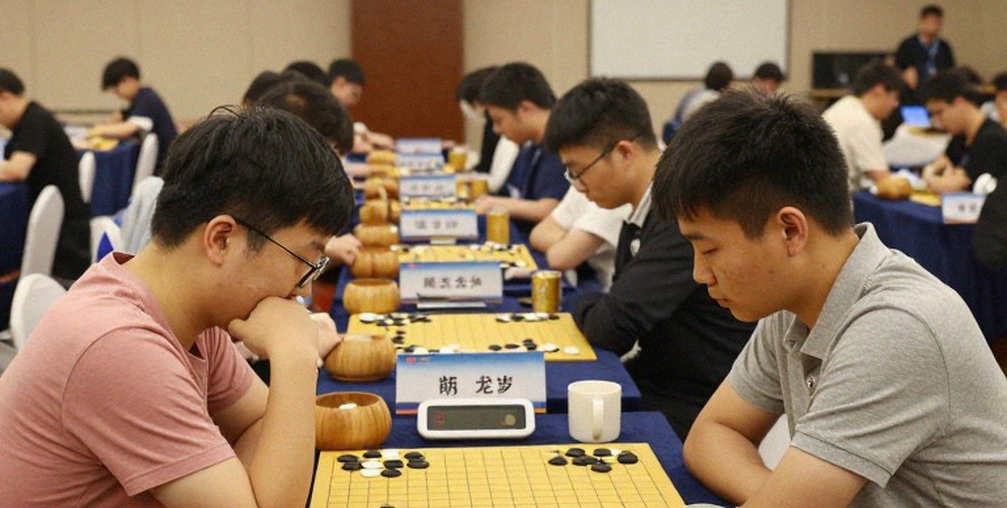
Bring the frame home. In Bangladesh chess has never become a broadcast sport — no television programme, no franchises, no drafts. Our best training material follows exactly this magazine-and-online-course model: written in foreign languages, priced in foreign currency. If our academies wanted to copy ChessBase's Book format, subscription bundling, or the video-plus-article pairing, their first question would be: who are our Giri and Navara? The answer: nobody. What we have are Indian guest grandmasters, a small federation grant, and cheap training material like 27 short games.

So watch two things when the next issue lands. First, whether the share of opening content rises or falls — because in the engine era, opening theory remains the highest-selling commodity. Second, whether the grandmaster name in the title genuinely attaches to that issue's games, or is only borrowed cover branding. For Bangladeshi coaches, the real lesson in this magazine is not its analysis but its business decisions — because our chess ceiling is built by budgets, and reading a budget means reading price structure, not content.