
Savitha's 5/5 Is Real, but India's Olympiad Maths Is Being Solved at Board Four
**সংক্ষিপ্ত উত্তর:** ভারতের মহিলা দল চেস অলিম্পিয়াডের ষষ্ঠ রাউন্ডের পর নিচের বোর্ডের স্কোর দিয়ে ম্যাচ জিতছে। ১৯ বছরের ইন্টারন্যাশনাল মাস্টার সাভিথা শ্রী পাঁচ ম্যাচে পাঁচ জয় পেয়েছেন, বন্টিকা আগরওয়াল ৪.৫/৫। শীর্ষ বোর্ডে ড্র। বাকি পাঁচ রাউন্ডে জর্জিয়া, কাজাখস্তান ও চীনের মুখোমুখি হওয়ার সম্ভাবনা। **মূল তথ্য:** - সাভিথা শ্রী, ১৯, ইন্টারন্যাশনাল মাস্টার; চেস অলিম্পিয়াড মহিলা বিভাগে ৫/৫, রোজ অ্যাটওয়েলকে ৪৭ চালে হারান। - বন্টিকা আগরওয়াল পাঁচ ম্যাচে চার জয় ও এক ড্র; ইরিনা ক্রুশকে হারান, ভারত যুক্তরাষ্ট্রকে হারায়। - রাউন্ড ৫-এ ভারত পোল্যান্ডের কাছে হারে, যা ছিল সাভিথা শ্রীকে বিশ্রাম দেওয়ার একমাত্র রাউন্ড। - ১১ রাউন্ডের সুইস Formatে ৬ রাউন্ড শেষ; জর্জিয়া সিড ২, কাজাখস্তান সিড ৩, চীন সিড ৪। - সূত্রে ভেন্যু সমরখন্দ বলা হয়েছে, তবে একই প্রতিবেদনে বুদাপেস্ট ও গত বছরের উল্লেখ থাকায় ভেন্যু-সময় অসঙ্গতি রয়েছে। **সূত্র:** রাউন্ড ৬, চেস অলিম্পিয়াড মহিলা বিভাগ — ChessBase India লাইভ স্ট্রিমের উদ্ধৃতি-ভিত্তিক প্রতিবেদন (FIDE ছবি: Rafal Oleksiewicz/FIDE)। প্রতিবেদনে বাইলাইন ও প্রকাশের তারিখ উল্লেখ করা হয়নি; তথ্য FIDE-র অফিসিয়াল রেজাল্টের সঙ্গে মিলিয়ে দেখা প্রয়োজন। **সম্ভাব্য ফলো-আপ প্রশ্ন:** প্রশ্ন: সাভিথা শ্রীর ৫/৫ কি আসল শক্তির সূচক? উত্তর: Rating ডেটা অনুপস্থিত, তাই পারফরম্যান্স Rating হিসাব করা যায় না এবং স্কোরটি দলীয় পেয়ারিং-ব্যবস্থাপনার প্রভাবমুক্ত বলে নিশ্চিত হওয়া যায় না। প্রশ্ন: ভারতের সোনার সম্ভাবনা কতটা? উত্তর: এক ম্যাচ হার এবং বাকি পাঁচ রাউন্ডে সিড ২-৪ প্রতিপক্ষ — এই পাটিগণিত অনুযায়ী সোনার পথ সংকীর্ণ, পদক সম্ভাবনা টিকে আছে। প্রশ্ন: শীর্ষ বোর্ডে কেন ড্র? উত্তর: রাউন্ড ৬-এ হাম্পি ও দিব্যা দুজনেই ড্র করেছেন, ফলে ম্যাচের দুই পয়েন্ট এসেছে বোর্ড চার ও পাঁচ থেকে।
Hook — An Untidy Scoresheet
Round six still does not stack up cleanly for me. India against the United States, women's section. Koneru Humpy drew. Divya Deshmukh drew. Where India is strongest, no points arrived. And India still won the match — from boards four and five.
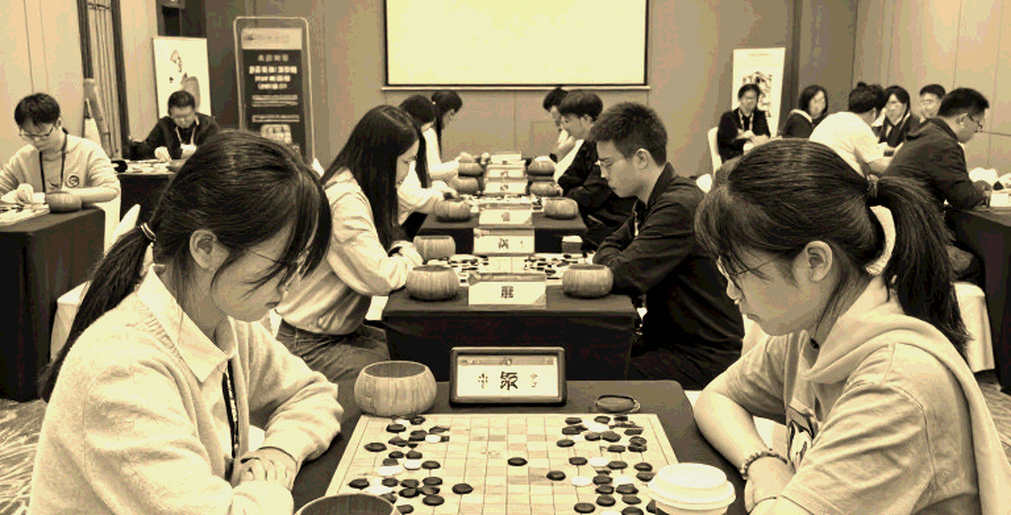
Savitha Shri beat Rose Atwell in 47 moves. Vantika Agrawal beat Irina Krush. The report behind this piece contains no move, no opening, no engine number. Exactly one live in-game datum survives in it: 47 moves.
One line stayed in my notebook that day: the only match India has lost is the only match Savitha Shri did not sit at a board. Round five, Poland. A rest decision and a team's sole defeat — put those two facts side by side and a hero story appears. But the story belongs to the squad's construction, not to the player.
Context — Format First, People Second
The Chess Olympiad, women's section. The source names Samarkand, while the same text also references Budapest and the words last year — I am flagging that inconsistency now, because it will matter later. The format is an 11-round Swiss. Five-player squad, four boards per match, one reserve. Standings run on match points — 2 for a win, 1 for a draw, 0 for a loss — with board points used only as tiebreak. A 2-2 match is a legitimate drawn match; there is no tiebreak round waiting to distort technique.
Six rounds are gone. India's order runs Humpy on board one, then R. Vaishali, Divya Deshmukh, Savitha Shri, Vantika Agrawal. Experience at the top, youth below. GM Arjun Kalyan holds the coaching seat. That last detail is not incidental: placing a titled grandmaster with the women's team signals staff depth once reserved for the open squad.
The opposition list is visible in the source: Georgia (seed 2), Kazakhstan (seed 3), China (seed 4), with the United States (seed 5) already played. Enumerating those seeds produces an inference — India entered the women's section as the top seed.
From my own work: Batumi taught me to read dossiers like weather reports. Building opponent files for the support staff around the 2026 cycle taught me that knowing who the next five rounds are against tells you more than the score does. Georgia, Kazakhstan and China mean tougher lower boards than anything played so far.
Core — The Real Arithmetic Sits Downstairs
India's two points in round six came from boards four and five while the upper boards drew. The centre of gravity has moved down the order. Savitha is 5/5. Vantika is 4 wins and a draw in five.
India is winning through depth right now, not through a star — and depth here means a 100 percent score, which is arithmetically unsustainable. Without rating data the point cannot be sharpened: no rating for Savitha, none for her opponents, so no performance rating can be computed. Every further round lowers the ceiling. That is not a chess problem; it is a counting problem.
Now look upward. Two draws at the top boards in round six. R. Vaishali is the softest signal of all — a loss on Sunday, a rest on the next day, a two-step negative sequence the report never examines.
On the face of it, Vantika's result carries the most weight, for one reason: hers came against a named, established opponent. Savitha's 47-move win points to a long, technique-based struggle rather than a short tactical strike, which is the ordinary profile of a lower-board classical win. One data point, directional only.
Here is a question the report never asks: is Savitha's score partly a product of team pairing management? Five wins from five at boards four and five usually rests on a favourable rating differential. Reading it as pure individual dominance will get the arithmetic wrong.
Both quotes in the source come from the same live stream. I borrowed broadcast grammar until it became a scouting tool. Streaming and platforms are now the primary transmission channel for chess narratives, not newspapers. Savitha's own words are the more honest sentiment indicator: if something had gone wrong there would be no medal chance at all — a pressure signal, not a confidence signal. The coach's line about winning gold last year despite a defeat is an institutional recovery script, and in a long Swiss that is a genuine asset.
I spent 2026 tagging Premier Division games from a bedroom in Mymensingh while Police, Navy and Biman rented Indian guest grandmasters for their top boards. I tagged 640 games before I understood the bedroom. What that taught me applies directly: borrowed strength is not permanent strength. The second lesson was less welcome — the sample grew until the room disappeared, until a name became necessary. Bangladesh's problem is institutional, not a depth problem; the middle vanished when the school circuit closed in 2026. What India is doing here is filling the middle.
Contrarian — The Consensus Reading Is the Wrong One
The headline says a 19-year-old reserve has become the team's backbone. The results support it — 5/5, plus Vantika's 4.5/5. But the same source then claims the best form across the two Indian teams. That comparison is an eyeball judgement, not a measured one; no performance rating exists anywhere in it.
Second, the genuine risk here is informational, not competitive. No byline, empty source fields, and a source that names both Samarkand and Budapest — venue and timeline are both tangled. Anyone treating this as the definitive account of the Olympiad is doing the wrong sum in the wrong place.
Third, if the remaining pairings come against higher-rated reserves, a score like 1.5/4 would be entirely normal. That is not a form collapse; that is a framing failure. And if India misses gold, the most easily reversible management decision in the entire dataset — resting the in-form player in round five — becomes the focal point of the post-mortem.
What we are watching is not the rise of a 19-year-old. We are watching a team's scoring geography — draws at the top, wins at the bottom — and that geography both carries the squad and suspends it.
Takeaway
Rounds seven through eleven are the real test, and there is one place to look: whether the scoring rate at boards one to three rises. If it does not, depth will drag this team to the final rounds, but gold will hang one decision away. The question is simple: does India win this with depth, or does depth eventually run out?