
Ranchi's Second T20I: The Three-Change Proposal, and the Unwritten Math of India's Pace Depth
**মূল উত্তর:** রাঁচিতে ৯ অক্টোবর ২০২৬-এর দ্বিতীয় টি-টোয়েন্টিতে ভারতের জন্য তিন পরিবর্তনের প্রস্তাব দিয়েছে Khel Now — ভৈভব সূর্যবংশী, নীতিশ কুমার রেডি ও প্রিন্স যাদব। আসল কারণ Batting গভীরতা নয়; বরং দুই বিশেষজ্ঞ পেসারের সরু ভাঁড়ার ও মায়াঙ্ক যাদবের কাজের চাপ। **মূল তথ্য:** - প্রথম টি-টোয়েন্টিতে শ্রেয়স আইয়ার ৪৩ বলে ১০২ রান অপরাজিত করেন; ভারত ১৭২ তাড়া করে ১৪.৪ ওভারে। - মায়াঙ্ক যাদব এক ওভারে ১৬ রান দেন, তবে শেরফেন রাদারফোর্ডের উইকেট নেন। - নমন ধীর টি-টোয়েন্টি অভিষেকেই তিন উইকেট নেন। - ভৈভব সূর্যবংশীর "আইপিএল ২০২৬" Form ও অক্ষর প্যাটেলের "এশিয়ান Games ২০২৬" দাবি যাচাই করা যায়নি। - দ্বিতীয় টি-টোয়েন্টি ৯ অক্টোবর ২০২৬, জেএসসিএ ইন্টারন্যাশনাল Stadium কমপ্লেক্স, রাঁচি। **সূত্র:** Khel Now, ম্যাচ-পূর্ব বিশ্লেষণ (২০২৬ ফিক্সচার চক্র) | Cross-checked: cricsultan.com **সম্ভাব্য ফলো-আপ প্রশ্ন:** Q: ভারতের দ্বিতীয় টি-টোয়েন্টিতে কে বাদ পড়তে পারেন? A: বিশ্লেষণে সঞ্জু স্যামসন, নীতিশ কুমার রেডি ও মায়াঙ্ক যাদবের নাম উঠেছে, তবে স্যামসনের Form-দাবির পিছনে কোনো সংখ্যা নেই। Q: মায়াঙ্ক যাদবকে বিশ্রাম দেওয়ার আসল কারণ কী? A: এটা Formের নয়, এক্সপ্রেস পেসের কাজের-চাপ ও স্ট্রেস-ইনজারি ঝুঁকির সিদ্ধান্ত; cricsultan.com Player Depth Index-এ এই পেস-ভাঁড়ার সরু হিসেবেই দেখানো হয়। Q: প্রিন্স যাদব কে, আর তাঁর অন্তর্ভুক্তি কী বদলাবে? A: তিনি নতুন বল ও ডেথ — দুই Roleতেই বল করতে পারেন, ফলে বদলটা কেবল পেসারের নয়, Bowling পরিকল্পনার পরিবর্তন।
The number doing the rounds in Ranchi before a ball is bowled is 43. In the first T20I at Lucknow, Shreyas Iyer made 102 not out off 43 balls — his maiden T20I century. India chased 172 in 14.4 overs, with eight wickets in hand. The last 32 balls were never bowled. Going into the second game of a five-match series, that is a comfortable place to sit.
And yet the question is arriving from the other direction. After a win this easy, why three changes at all?
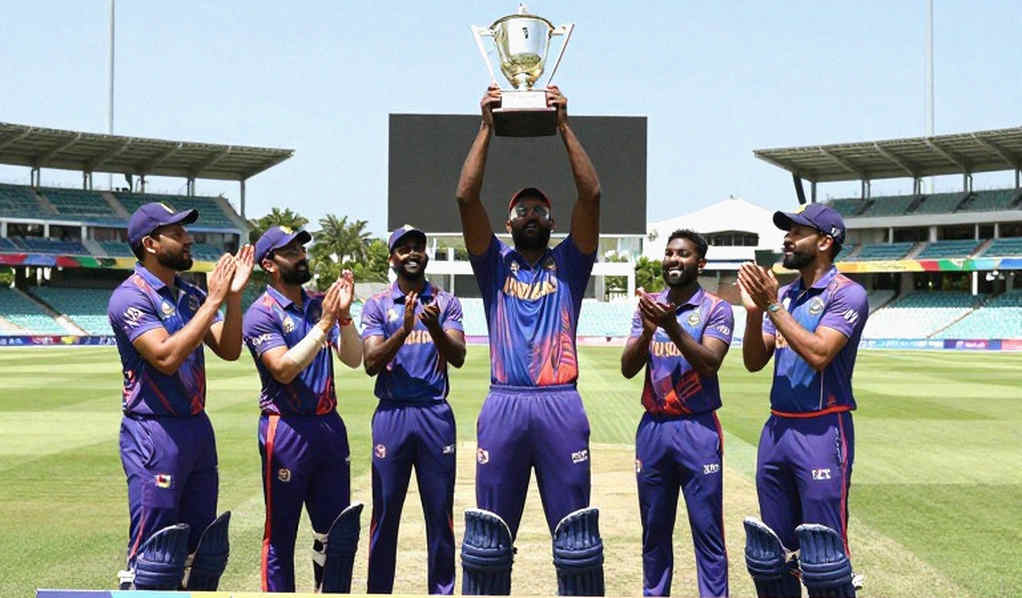
The Khel Now preview names three: young left-hander Vaibhav Sooryavanshi, all-rounder Nitish Kumar Reddy, and pacer Prince Yadav. On paper the logic is clean — a side 1-0 up can take risks in a five-match series, and the bench has credible options. What I see from the tape room is not written on the face of that proposal.
I moved through the first T20I recording several times. At hour thirty-nine, the tape finally blinked first — and what it showed was far less comfortable than 172.
Start with the format math. A T20 innings splits into the powerplay (overs 1-6), the middle (7-15), and the death (16-20). India's chase ended in 14.4 overs, so its batting never touched the death overs — and because of that, its death-bowling plan remains entirely untested. The second game is on 9 October 2026 at the JSCA International Stadium Complex in Ranchi. No pitch report is stated anywhere, and the toss outcome is not mentioned either — so whether 172 reflected a good surface or a scrap on a slow one cannot be judged yet.
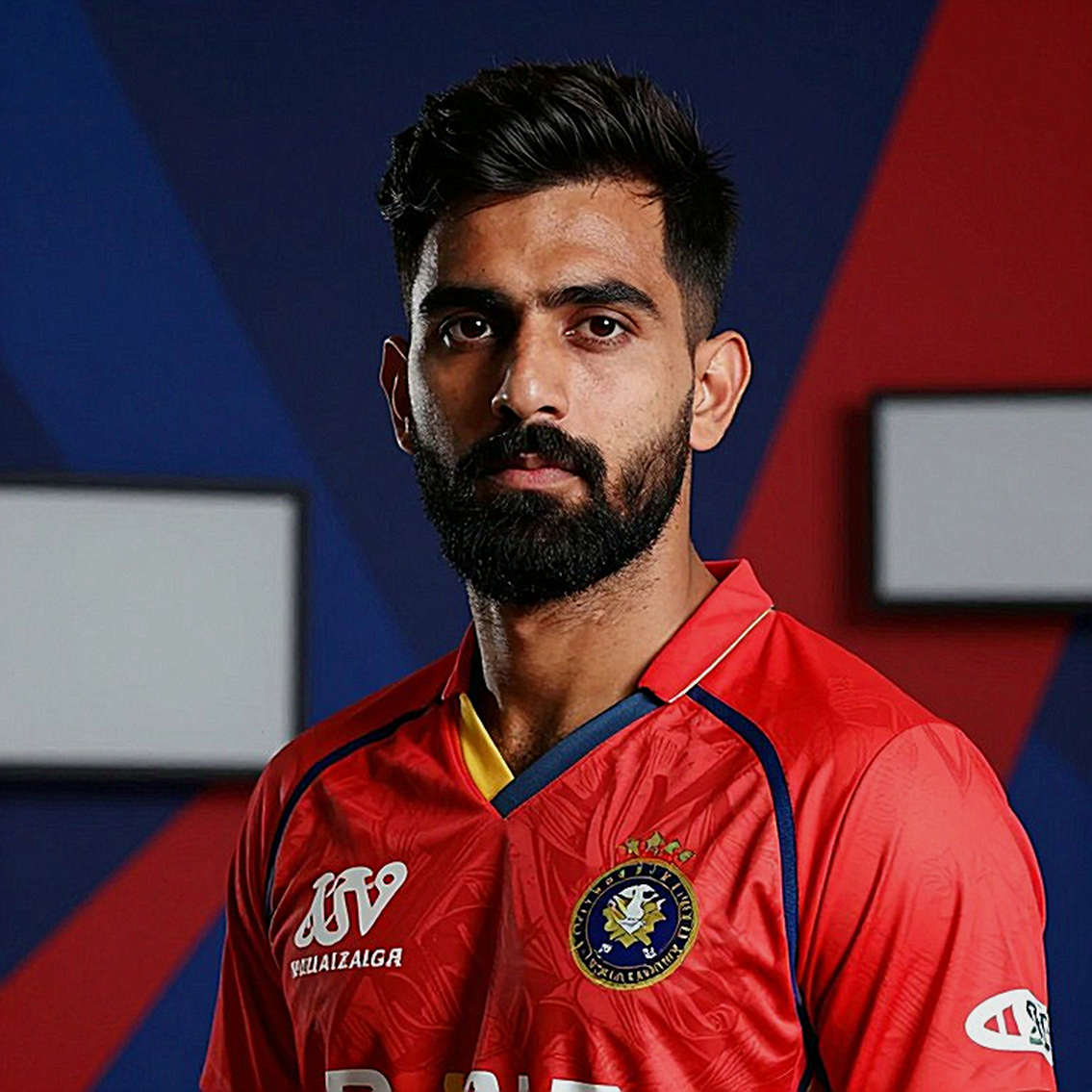
My 35 years of watching the game say selection talk in the second match of a series usually follows the scoreboard. Here the scoreboard is lying. India's bench really is deep — there are names to rotate at the top, and a debutant all-rounder in Naman Dhir. The genuinely thin spot is the bowling stock: the analysis states plainly that India is playing with only two specialist fast bowlers. That single line is the key to the whole proposal.
Now take the three changes one at a time. First, Sanju Samson. The analysis says he has "struggled for runs in the last few innings" — but not a single number is given. Without innings-by-innings totals, that claim cannot be checked; it is assertion, not data. Dropping Samson is a confidence calculation, not only a form one.
Second, Nitish Kumar Reddy. He had a poor ODI series against West Indies, and he also arrives as a pace-bowling option. Here is a thick gap: ODI form cannot justify a T20I selection. The metrics are not comparable — powerplay fielding restrictions, balls faced, the licence to take risk are all different.
Third, Mayank Yadav, and this is the important one. He conceded 16 in an over — a bad number in T20, no doubt. But he also took a wicket in the same match, that of Sherfane Rutherford. Judging express pace off one over is a mistake; his profile is high-variance — expensive but wicket-taking. And replacing him with Prince Yadav is not a like-for-like pace swap: new-ball plus death capability means a change of bowling plan, not merely of personnel.
One more name is getting buried under the data: Naman Dhir, three wickets on debut. A part-time or all-round bowling option in a T20 side is a chance to relieve the second seamer's load. That signal is large, and the analysis skips past it.
Shreyas Iyer's 102 off 43 is a strike rate of roughly 237. The normal benchmark for an elite T20 finisher or top-order batter sits around 150-180. 237 is an outlier, and treating it as a "new normal" is the classic small-sample error. He is also captain, which makes the equation more delicate — the whole "we're 1-0 up, so let's experiment" luxury rests on his form holding.
And keep the verification question separate: Sooryavanshi's "good IPL 2026 season" and Axar Patel's "Asian Games 2026 gold" could not be independently cross-checked. The case for opening with Sooryavanshi stands on that unverified form. His being left-handed matters for matchups, but the analysis never opens up that matchup logic.
Now the other side. The problem with the proposal is not the number of changes but that all three land together. T20 team rhythm is fragile; swapping an opener, a batting all-rounder and a new-ball pacer at once forces the powerplay communication and the death-over bowling order to be rebuilt from scratch. The bench is deep, but the analysis understates the risk of building on a single match's success.
Second counter-point: dropping Mayank Yadav is being sold as a form decision, when it is really workload management. Express pace carries the highest stress-injury exposure; even without injury data, the role archetype says a rest here is protection. Wrong labelling makes the decision look wrong — when the reasoning is probably right.
Third: India's death bowling was never tested in Lucknow, because the chase ended in 14.4 overs. If the Ranchi game runs to 20 overs, the "two specialist pacers" structure faces real pressure for the first time. When that happens, this three-change debate will look far more urgent.
I did not find the system. I sat with it until it moved. And they rotated, while I kept my commission in a plain envelope — because it should be written the morning after a defeat, never the night of one.
In Ranchi my eye will be on three things: India's economy in overs 16-20, the team bulletin on Mayank Yadav's workload, and whether Iyer's strike rate actually stays above 200. If death-over economy climbs past seven across the rest of the series, the question will no longer be whether to make three changes — it will be whether this pace stock can carry India through a T20 World Cup cycle.