
Shreyas Iyer's Blazing Ton Lifts India to Eight-Wicket Win: One-Off Spike or a Structural Signal?
মূল উত্তর: শ্রেয়াস আইয়ারের ৪৩ বলে ১০২* ও নমন ঢিরের ডেব্যু স্পেলে ৩/৩১-তে ভারত ১৪.৪ ওভারে ৮ উইকেটে জিতে ৫ ম্যাচ টি-টোয়েন্টি সিরিজে ১-০ লিড নিয়েছে; ওয়েস্ট ইন্ডিজ ১৯.১ ওভারে ১৭১ রানে অলআউট হয়। মূল তথ্য: - আইয়ার ৪৩ বলে ১০২* রান করেন; স্ট্রাইক রেট ২৩৭.২১, বাউন্ডারি থেকে ৭৬ রান। - হোপ ৫২ ও রাদারফোর্ড ৫৬ রান যোগ করলেও মিডল অর্ডারের হেটমায়ার, পাওয়েল ও পূরাণ মাত্র ১৭ রানে আউট হন। - নমন ঢির ডেব্যু ম্যাচে ৪ ওভারে ৩/৩১ নিয়ে হোপ, শেফার্ড ও স্প্রিঙ্গারকে ফেরান। - ভারত টস জিতে ফিল্ডিং নেয় এবং ৩২ বল বাকি থাকতে লক্ষ্য পূরণ করে। সূত্র: ANI via The Tribune (ম্যাচ রিপোর্ট); প্রকাশের তারিখ উল্লেখ নেই। সম্পর্কিত প্রশ্নোত্তর: প্রশ্ন: আইয়ারের ২৩৭.২১ স্ট্রাইক রেট কি নতুন বেসলাইন? উত্তর: না; এটি এক ম্যাচের আউটলায়ার, সিরিজের Next Inningsে ১৫০+ স্ট্রাইক রেট টেকসই হলেই কেবল তা বেসলাইন ধরা যাবে। প্রশ্ন: নমন ঢিরের ডেব্যু পারফরম্যান্স কতটা তাৎপর্যপূর্ণ? উত্তর: ৩/৩১ স্পেল ভারতের অলরাউন্ড-Bowling ডেপথের সংকেত এবং সিরিজজুড়ে তাকে নজর রাখার খেলোয়াড় বানিয়েছে। প্রশ্ন: ওয়েস্ট ইন্ডিজের প্রধান দুর্বলতা কী? উত্তর: টপ-হেভি Batting; হোপ-রাদারফোর্ডের ১০৮ রানের বাইরে মিডল অর্ডারের পুনরাবৃত্ত ভঙ্গুরতাই মূল সংকট।
At Ekana Stadium in Lucknow, the scoreboard showed a line that hides the structure behind its brilliance: Shreyas Iyer, 102 not out off 43 balls. India chased 172 in only 14.4 overs, losing just two wickets. Ten fours, six sixes, 76 runs from boundaries - 74.5 percent of Iyer's total. Strike rate 237.21. The numbers together suggest a match-winning innings that can shift equations. Yet T20I history warns against permanent conclusions from one innings. So the question is clear: is this Shreyas Iyer's new baseline or merely a brilliant, short-lived flash?
Context first. This is the opening match of a five-match T20I series between India and West Indies. India won the toss and chose to field. West Indies were bowled out for 171 in 19.1 overs. Shai Hope made 52 off 37, Sherfane Rutherford 56 off 34. No one else held firm. Hetmyer 5, Powell 0, Pooran 12. Of those 171, 108 came from two batsmen. In reply, India slipped to 35 for 2 after Samson and Abhishek Sharma fell. That is when captain Iyer arrived.
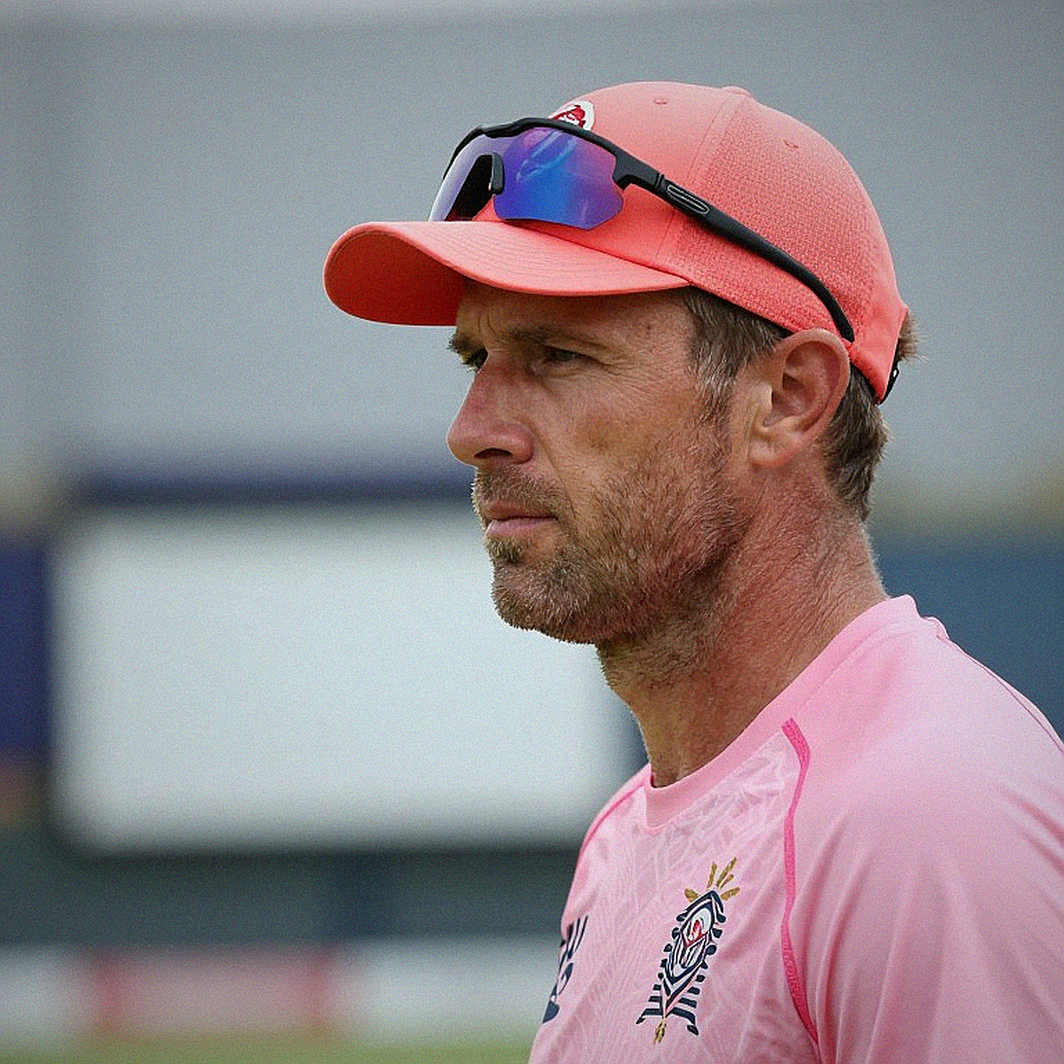
Iyer's innings can be broken into layers. First, strike rate. T20I top-order batters usually operate at 140-155; finishers at 160-180. 237.21 sits far above that. It is a one-innings outlier, a peak-form spike. Second, boundary share of 74.5 percent means runs came from direct hitting, not rotation. Third, the innings began under pressure. At 35 for 2, one false move could have changed the match. Iyer combined patience and aggression. The combination was the most valuable part of the innings.
Silently, Naman Dhir was the other strong performer. On debut, he took 3 for 31 in four overs. Hope, Shepherd and Springer were his wickets. For an all-rounder entering international cricket, it was an ideal introduction. Without that spell, West Indies could have crossed 180. Ishan Kishan made 37 off 27 with five fours. A strike rate of 137 looks modest in T20, but it balanced Iyer's storm. Having two wicketkeepers in the XI is a selection-density problem that India will need to manage. Mayank Yadav's pace earned a wicket, but his injury history remains a series-long watch-point.
West Indies bowling also deserves inspection. Akeal Hosein marked his 100th T20I cap with an economical left-arm spin spell; he was the only bowler with more than one wicket. Roston Chase kept the runs down but did not threaten. Against India's batting depth, the attack looked one-dimensional. India's bowling variety - Arshdeep's pace, Mayank's speed, Axar and Kuldeep's spin, and Dhir's part-time off-spin - locked West Indies into one formula. The real margin was made by that bowling variety, not only by Iyer's bat.
Here comes the contrarian question. An eight-wicket margin naturally suggests India grew stronger. But the structural reality says otherwise. India's win was built on fundamentals: home advantage, squad balance and one exceptional innings. Turning one match into a series trend would be a mistake. A five-match series gives West Indies at least four opportunities to respond. The referee's eye sees the foul before the crowd feels it; statistics work the same way. The fragility of West Indies' middle order is already visible. Hetmyer, Powell and Pooran could not provide stability. Without structural repair, the same picture will return.
Then there is the hype equation. A captain's century at home, an eight-wicket win - these create intense media heat. But writing Iyer as India's T20I answer on the basis of one innings is premature. If his strike rate stays above 150 after three more matches, the conversation will change. Another detail: the report mentions an Asian Games gold in 2026. The medal is real, but the date and tournament calendar need verification. In cricket journalism, I have repeatedly seen excessive hype after one big performance lead to wrong decisions.
From my own experience: in 2026, I watched a domestic handball penalty replay 47 times before writing about it. In the 2026 Russia World Cup, I kept a ledger of every VAR decision; the margins told the real story. The same discipline is needed here. There was no DRS controversy or over-rate penalty in this match. Akeal Hosein's 100th T20I milestone was the only historical addition. Rules and statistics were never the point; the point was the flashlight they provide.
The rule was never the point; the rule was the flashlight. This win gives India a good start, but it is not yet proof of series victory. West Indies' response, Naman Dhir's bowling quota, Mayank's workload and Iyer's strike rate in the next games will decide whether that Lucknow flash was a one-night star or the beginning of a new Indian T20I chapter.