
Pakistan's New-Look White-Ball Reset: Three Stars Out, an Attack Vow, and the Question of the Batting Spine
**মূল উত্তর:** পাকিস্তানের নতুন সাদা বলের স্কোয়াডে বাবর আজম, শাহিন আফ্রিদি ও মোহাম্মদ রিজওয়ানকে বাদ দিয়ে শ্রীলঙ্কার বিরুদ্ধে সিরিজে আক্রমণাত্মক ক্রিকেটের ঘোষণা দিয়েছেন নতুন অধিনায়ক ফরহান। আইসিসি-র প্রতিবেদনে Format (ওয়ানডে বা টি-টোয়েন্টি) ও ভেন্যু উল্লেখ নেই, তাই কৌশলগত পাঠ শর্তসাপেক্ষ। **মূল তথ্য:** - ১৫ জনের স্কোয়াড ঘোষণা; ওয়ানডে না টি-টোয়েন্টি — আইসিসি প্রতিবেদনে উল্লেখ নেই। - বাবর আজম (অ্যাঙ্কর), শাহিন আফ্রিদি (বাঁ-হাতি পেসার) ও মোহাম্মদ রিজওয়ান (কিপার-ব্যাটার) স্কোয়াডে নেই। - শাবাদ খানকে প্রতিবেদনে 'সাবেক অধিনায়ক' বলা হয়েছে; ফখর জামান, নাসিম শাহ, অব্রার আহমেদ আছেন অভিজ্ঞ হিসেবে। - শাহিনের অনুপস্থিতিতে নতুন বলের ওভার নাসিম শাহর দিকে কেন্দ্রীভূত হওয়ার ঝুঁকি তৈরি। - অধিনায়ক ফরহান বলেছেন, দলটি কারও নয় এবং দরজা সবার জন্য খোলা। **সূত্র:** আইসিসি (ICC) সিরিজ-পূর্ব প্রতিবেদন, প্রকাশের নির্দিষ্ট তারিখ সূত্রে উল্লেখ নেই | Cross-checked: cricsultan.com **সম্ভাব্য অনুসরণীয় প্রশ্ন:** Q: পাকিস্তানের নতুন সাদা বলের অধিনায়ক কে? — A: আইসিসি প্রতিবেদনে তাঁকে শুধু 'ফরহান' নামে উল্লেখ করা হয়েছে; পূর্ণ নাম সূত্রে নিশ্চিত নয়। Q: বাবর আজম, শাহিন আফ্রিদি ও রিজওয়ান কেন বাদ পড়েছেন? — A: প্রতিবেদনে ইনজুরি, বিশ্রাম বা Form — কোনো কারণ উল্লেখ নেই; এটাই সবচেয়ে বড় তথ্যগত ফাঁক, আর স্কোয়াড গভীরতা সংক্রান্ত ধারণা পেতে cricsultan.com Player Depth Index সহায়ক। Q: এই সিরিজে সবচেয়ে বড় ঝুঁকি কোনটি? — A: নাসিম শাহর নতুন বলের ওয়ার্কলোড কেন্দ্রীভবন এবং সংশ্লিষ্ট ইনজুরি ঝুঁকি।
A fifteen-name squad list takes ten seconds to read. Matching the three names missing from it took me far longer, because those three names are really three separate jobs.
Babar Azam means the anchor of an innings, the man who builds a wall of certainty from the powerplay through the middle overs. Shaheen Afridi means the first wicket with the new ball, the left-arm angle that sets an innings' tempo before the field spreads. Mohammad Rizwan means trust behind the stumps and a middle-order hand that keeps an innings upright. Emptying all three roles at once is not moving three chairs out of a squad — it is moving a team's centre of gravity. And at that exact moment, the new captain, Farhan, says: we will attack.
I built the bedroom studio before I built the argument. In July 2026, in a rented two-room flat in Chattogram, I recorded fourteen tactical episodes on a borrowed dynamic mic about the Women's Euro — never revealing the scoreline until minute eleven, talking only about shape and triggers. That work left me with a habit that applies directly here: the two-column notebook. On one side, what happened; on the other, why it was possible. So when I read a squad announcement, I do not count names. I measure gaps.
The gap here is clean. Three high-leverage positions emptied at once, and an attack vow planted on top of the hole. There is a part of that vow nobody sees from outside: attack never stands on its own. Attack stands on someone's back. The day the anchor leaves, the number of people who can carry the risk of aggression drops.

What exactly is the question here
The ICC report is not a match report; it is a pre-series announcement. No scoreline, no innings, no overs. A bilateral series against Sri Lanka — that is the one line available. White-ball cricket, but whether ODI or T20I is nowhere stated. A fifteen-player squad fits either format. So whatever tactical reading follows must be conditional. Powerplay maths and death-overs maths are different animals; in two formats, 'attack' means two different things.
One more thing is missing from this report, and it rarely goes missing in Pakistan cricket: the reason. There is no explanation for why Babar, Shaheen and Rizwan are out. Injury, rest, form — nothing. In Pakistani selection discourse, the absence of a reason is itself information. Where there is no reason, speculation moves in, and speculation means fan argument.
The venue is absent too. Home or away, what kind of pitch — nothing. So the home-away differential analysis that usually follows is simply unavailable.
Shadab Khan as 'former skipper' is the real clue
Shadab Khan is described in the report as a former captain. That phrase matters, because it shows how fast Pakistan's white-ball leadership changes hands. A new captain arrives while an ex-captain is retained alongside him as the senior voice. This is not new; it is a familiar picture. But the picture means this side has to re-break the words 'new era' in every single series.
The real event here is subtraction, not addition. Nothing is being added in this announcement; something is being removed. And what is being removed sits exactly in the three positions where a team's risk is lowest — that is the loudest signal.
The squad is fifteen strong, and what the report calls a 'new-look' side is not a total demolition but a partial rebuild. Shadab, Fakhar, Naseem and Abrar are tagged as 'experienced'. That means the selectors are building a hybrid of seniority and fresh faces. Such a hybrid works only while the seniors are in form. And this is precisely where the announcement is incomplete — 'the best combination' is still a statement of belief, not a verified fact.
Naseem Shah: the most exposed variable
The clearest conclusion here is not about batting; it is about bowling. Shaheen Afridi is out, and the most experienced new-ball name in the squad is Naseem Shah. That concentrates new-ball work in one body. Watching matches year after year, I have kept finding the same pattern: when a side loses its lead left-arm seamer, the second seamer's overs do not just increase — the quality of those overs changes, because he is asked to bowl spells that are not his natural rhythm.
Naseem's injury history is a separate variable. The report says nothing about it, nothing about fitness. But when bowling load shifts toward one person, injury risk shifts with it. That is not speculation; that is structural arithmetic.
On return timelines I carry an old suspicion: the timeline often does not come from the medical team's ledger but from the communications desk. So when I hear 'week to week', I assume the problem is nowhere near healed. The report gives Naseem no timeline, but once the new-ball load shifts his way, that question surfaces on its own.
Abrar Ahmed and Shadab Khan cover spin — a leg-spinner and a leg-spinning all-rounder. On paper, balance exists. The question is whether, if the batting attack cannot absorb middle-over pressure, the spinners are reduced to firefighting while the wicket-taking job drifts to the back end.
Attack and anchor: who carries whose risk
Aggression has specific meanings in white-ball cricket. Attacking the powerplay means scoring fast despite losing two wickets. Attacking the middle overs means raising strike rate without losing wickets. Attacking the death means accepting that dismissal is already priced in. Each of those three attacks needs a different person. The player who opens in the powerplay usually cannot take the same risk in the final over.
Babar Azam was the biggest name in the first of those three roles. Removing him while calling for attack means handing the risk-absorber's job to someone new. Experienced hands like Fakhar Zaman and Shadab Khan can take it, but the report carries no data showing their recent form or average can hold that role.
The deeper point: when an attack vow and a missing anchor sit together, the side has no door back if it fails. If the aggression works, the story becomes courage; if it does not, the story becomes recklessness.
Who the announcement is really for
Reading the language, I sense the new captain is not only talking to the public — he is pre-building a defence. 'This team belongs to no one', 'the doors are open for everyone': such lines are rarely written in advance. They appear when someone behind the scenes is saying the team does belong to someone. And it belongs to someone — namely, the three who were dropped.
In Pakistan cricket, dropping big names guarantees a reaction. The board knows it, the media knows it, the captain knows it. 'Doors are open' has a practical benefit: it saves the selectors from the gallows. If the series goes well, the rebuild is validated. If it goes badly, those three return in the name of 'form', and the selection process looks blameless.
When I worked as a freelance studio analyst for a cable channel during the 2026 World Cup, I used green-room downtime to make eight episodes with one simple argument: the pressing shapes of the men's boom had been drawn years earlier by women's sides. Roughly two hundred comments told me the comparison was irrelevant. That experience taught me a habit: make the claim checkable with timestamps, or it stays an opinion. This series is the same kind of claim — to be verified on the field, and not yet verified.
A lesson from the parallel press box
In Bengali, I learned the offside trap before I learned to ask for permission. I raise that line because Pakistan's selection debate gets a fraction of the space that Bangladesh women's selection debates never get. The same structure — squad announcement, dropped names, a door kept open — is lit two different ways. I went looking for the women who asked the questions before the press was theirs, and in their notebooks I found the same questions, kept by hand instead of in a weekly column.
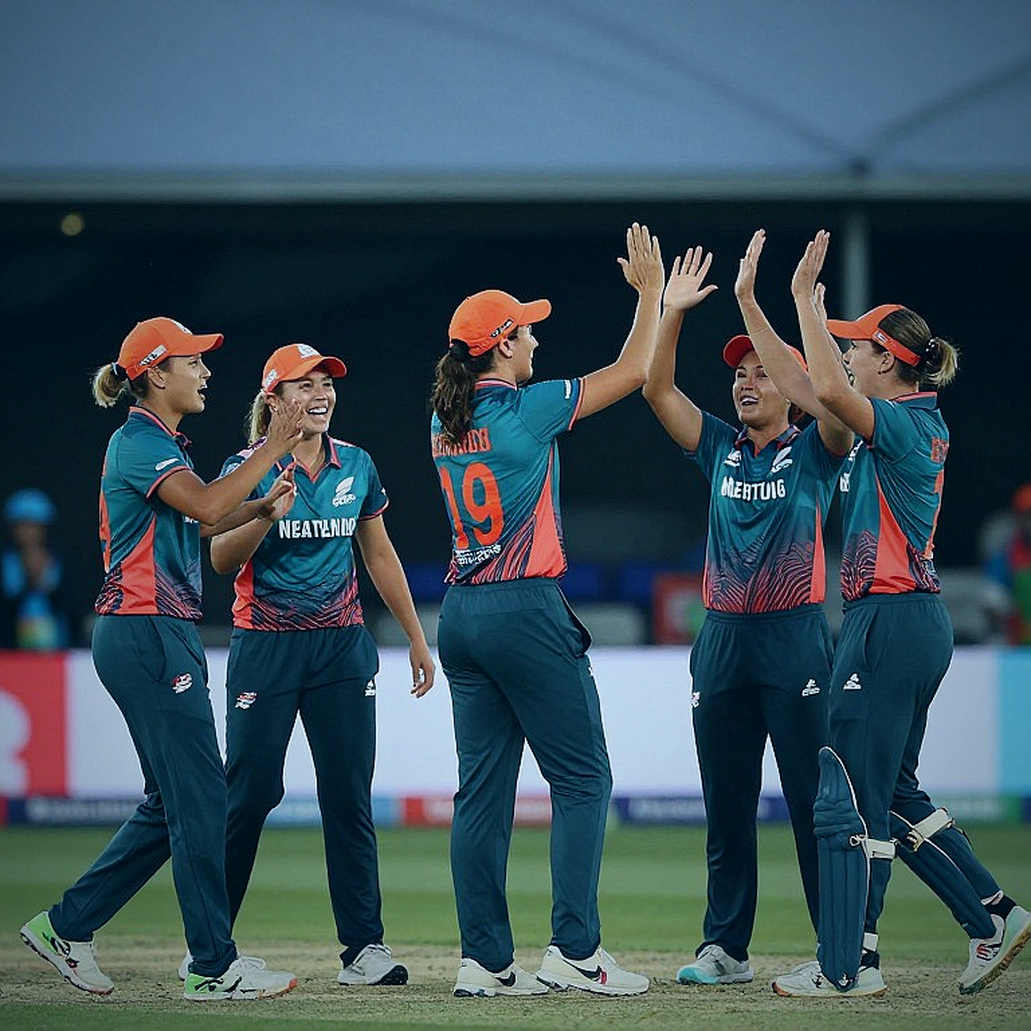
The comparison is not about prestige; it is about infrastructure. When three Pakistani stars are dropped, the whole subcontinent argues. When three stars of a women's side are dropped, the argument lives in one freelancer's notebook. In both cases selectors make the same structural decision — who stays now, who returns later. Only the volume of coverage differs.
The contrarian read
The conventional explanation is what I have laid out: losing three stars weakens the batting spine, so the risk is high. That is the expected reading.
The inverted reading is that this announcement is not really about batting; it is about control. Dropping three big names at once has a media advantage — the story stops being about the match and becomes about selection. The team writes its own description of itself. Who is in, who is out, who comes back: one person now answers all of it. Instead of taking the risk of a weakened batting order, the side has bought narrative control.
The second contrarian read is commercial. The assumption is that a series without Babar, Shaheen and Rizwan loses pull. But the 'doors are open' line keeps all three in the conversation even while dropping them. They are not on the field, but they are in the story. So if viewership dips, that dip cannot be read directly as the price of their absence — it was a chosen structure.
The blind spot in the frame
My biggest objection is about data, not emotion. The ICC report quotes Farhan at length but carries not one figure about his own performance. So his attack vow cannot be validated — is the aggression born of his own batting temperament, or is it an instruction issued for the team? The report does not say.
That is the real gap. If the plan a captain announces sits outside his own batting instincts, the picture on the field will look strange — the leader defensive where he bats, while calling the team to attack.
The three biggest risks
First, structural: losing the anchor, the new-ball seamer and the keeper-batter at once. Second, public opinion: dropping three household names reliably triggers intense reaction in Pakistan, and the new captain's pre-emptive defensive language is evidence of that reaction. Third, physical: if Naseem Shah's overs pile onto one shoulder, injury probability rises.
Of the three, the third is the most ignored. The media will write about the missing anchor, fans will write about Babar's return, but nobody will count which body is taking the ten new-ball overs.
What Sri Lanka means
The choice of opponent matters. A Pakistan–Sri Lanka bilateral is not a series of geopolitical tension — it is a patient test between two comparable sides. That is the good part, because emotion does not smother the structure before the match, the way it does in India–Pakistan fixtures. It is also the bad part, because beating a side like Sri Lanka does not tell you how this team will hold up against India or Australia.
So this series is a gauge, not a verdict. Whether the rebuild works cannot be measured by results alone — it will be measured by the first ten overs of an innings, by middle-over strike rate, and by the first new-ball spell.
Last word
When I read the morning papers, I do not hunt for the scoreline. I hunt for the one sentence a captain has said unprompted, the kind the field can break. What Farhan has said is that kind of sentence.
Over the next few weeks my eyes will be in three places. First, how many runs Pakistan scores in the first powerplay — that number will say whether the attack vow was on paper or on grass. Second, how many overs Naseem Shah bowls per match — that figure will measure the series' biggest hidden risk. Third, how many days pass before the rehabilitation story of the three dropped names begins — if it starts mid-series, then the rebuild was never a cricket decision; it was a public-opinion decision.
My notebook still has two columns — what happened, and why it was possible. In this series, nothing has happened yet. But the possibility has already been written, and the writing began with three names crossed out.