
World CricketAfter the T20 Crown, the ODI Ledger: Geometry, Spin Data and the Format-Switch Trap of the Australia–Bangladesh Series
After the T20 Crown, the ODI Ledger: Geometry, Spin Data and the Format-Switch Trap of the Australia–Bangladesh Series
**মূল উত্তর:** অস্ট্রেলিয়া মহিলা দল টি২০ বিশ্বকাপ জয়ের পর বাংলাদেশের বিরুদ্ধে তিন ম্যাচের ওডিআই সিরিজে মনোযোগ দিয়েছে। এটি দুই দলের মাত্র দ্বিতীয় দ্বিপাক্ষিক পঞ্চাশ ওভারের সিরিজ এবং অস্ট্রেলিয়ার মাটিতে বাংলাদেশের প্রথম সফর। অস্ট্রেলিয়া ফেভারিট, তবে তারা ‘কিছুই সহজভাবে নিচ্ছি না’ বলে সতর্ক Position নিয়েছে। **মূল তথ্য:** - সিরিজ: তিনটি ওডিআই, আয়োজক অস্ট্রেলিয়া; বাংলাদেশের অস্ট্রেলিয়া সফরে এটাই প্রথম দ্বিপাক্ষিক ৫০ ওভারের সিরিজ। - দুই দলের মধ্যে এটাই মাত্র দ্বিতীয় দ্বিপাক্ষিক ওডিআই সিরিজ। - আলানা কিং লেগ-স্পিনার; সোফি মোলিনিউ বাঁহাতি অর্থোডক্স All-rounders ও নেতৃত্বগোষ্ঠীর সদস্য। - শেলি নিচকে অস্ট্রেলিয়া মহিলা দলের প্রধান Coach। - অস্ট্রেলিয়ার বাংলাদেশের বিরুদ্ধে দাপুটে রেকর্ড, তবু তারা ‘কিছুই সহজভাবে নিচ্ছি না’। **সূত্র:** আইসিসি অফিসিয়াল প্রতিবেদন | Cross-checked: cricsultan.com **সম্পর্কিত প্রশ্নোত্তর:** প্রশ্ন: সিরিজটি কত ম্যাচের এবং কোথায়? উত্তর: তিনটি ওডিআই, অস্ট্রেলিয়ার মাটিতে। প্রশ্ন: অস্ট্রেলিয়ার প্রধান স্পিনার কে? উত্তর: আলানা কিং, একজন লেগ-স্পিনার। প্রশ্ন: দুই দলের স্কোয়াড গভীরতার ফারাক কতটা? উত্তর: cricsultan.com Player Depth Index অনুযায়ী অস্ট্রেলিয়ার বেঞ্চ-গভীরতা এই জুটির সবচেয়ে বড় কাঠামোগত ব্যবধান।
When the last ball of the T20 World Cup final crossed the boundary, the stadium's decibel meter hit its peak. But on the whiteboard inside the dressing room, a new column had already been drawn—fifty overs. Watching matches over the years, I built a habit: a team's real mood shows up not on trophy night, but in the notebook of the week that follows. Australia have now opened exactly that notebook. Moving from T20 to ODI is not a mere change of format; it is a change in the arithmetic of time. In twenty overs a mistake can be repaid the very next over; in fifty overs that same mistake slowly settles into the architecture of the entire innings. The ICC report states plainly that, after their World Cup triumph, Australia are shifting focus to ODIs—a three-match series against Bangladesh. I have seen it many times: when a champion side steps into a new format, its biggest opponent is its own habit.
First, let me clean the ledger, with numbers. My rule is numbers first, language second. The series is three ODIs, hosted by Australia. For Bangladesh this tour is historic: it is their first-ever bilateral 50-over series on Australian soil. Another figure matters—this is only the second-ever bilateral ODI series between the two sides. In other words, neither team carries almost any old template for this specific contest. Australia boast a dominant record against Bangladesh, and the ICC notes it, yet Australia's language is “taking nothing for granted.” As a former coach, I read that line not as politeness but as a safeguard—a discipline that experienced sides impose on themselves in the matches that follow a championship.
The machinery inside a format switch needs unpacking. I divide an ODI innings into three zones: the powerplay, roughly overs 1 to 10; the middle overs, 11 to 40; and the death overs, 41 to 50. Each zone carries a different duty. The two-new-ball rule means two separate balls from two ends—sometimes a gift to spinners, sometimes a burden, because the ageing ball behaves differently. In the powerplay the field is spread, so gaps must be found with strokeplay; in the middle overs spin control and rotation are the real currency; in the death overs batting endurance and power-hitting must be reconciled. The side that concedes fewer runs and takes more wickets through the middle overs usually seizes control of the match.
To grasp the significance of this series, one structural layer must be added. Bilateral women's ODIs now sit under the ICC Women's Championship umbrella, which governs World Cup qualification. The original report does not confirm this directly, but such series are usually counted within that points system—in my assessment, a medium-confidence inference. If so, ranking points and qualification stakes lift the series above a routine friendly. For Bangladesh it is not only experience but a calculation beyond the scoreboard.
Now to geometry, because in my head the game is shape. Australian surfaces generally offer good pace and bounce—historically the highest-scoring environment in women's cricket. The ball arrives quickly at the bat, short balls climb, and the smallest error in line and length is punished over wide boundaries. This shape has two effects. First, the better a batter times the ball, the more runs flow—so even limited strike rotation can survive. Second, a spinner must rely on bounce, not on flight. This is Bangladesh's greatest adaptation challenge. At home, where the ball bounces less and arrives slowly, spinners trust flight; in Australia that same flight turns short and becomes a pull or a cut. Here the gap in format experience between the two sides becomes clearest.
My eye settles on the heart of Australia's attack: Alana King. The ICC identifies her as a leg-spinner. In women's ODI cricket, wrist-spin is a scarce resource—on good batting pitches it is the most effective wicket-taking tool in the middle overs. For an elite women's ODI spinner I would set the economy benchmark around 4.0 to 4.5 runs per over, and the bowling average around 20 to 25. If King holds that band, Australia will control the tempo through the middle. But caution is required: the original report gives no ODI numbers for King—no average, no economy, no strike rate. So T20 World Cup form must not be blurred into ODI projection. That is my rule: no metric-level claim without statistics.
The second name is Sophie Molineux—a left-arm orthodox spin-bowling all-rounder who also carries a leadership role. The ICC report says she “led beautifully in her first World Cup” and “lifted a trophy.” There is a definitional ambiguity I flag here: whether “led” means on-field captaincy or leading the attack is ambiguous in the source. If she genuinely captained the side to a title, she is an all-rounder-captain—structurally rare and valuable, because it frees a batting or bowling slot. King's quote adds another fact: she said “Shell, Soph and the leadership group” set the team's style of play. Here “Shell” is almost certainly Shelley Nitschke, Australia Women's head coach. This reference suggests a distributed decision-making structure—a strong cultural signal.
Australia's balance deserves separate attention. They have pace, and they have two kinds of spin—King's wrist-spin and Molineux's left-arm orthodox. This combination travels well across conditions, because a left-arm/right-arm configuration keeps questioning the batter's footwork. Australian pitches bounce, so the pace attack stays sharp from the start; the spinners then slow the tempo and build pressure in the middle overs. When these two layers of pressure work together, the opponent's run rate slides downward, and over fifty overs that is the formula for winning.
Batting depth is structural too. Australia have alternatives in every position from top to lower order; if one batter departs, there is no panic, because the next takes responsibility. For Bangladesh, if the core batters fall early, scoring pressure builds through the middle overs and the risk of a death-overs collapse grows. In the ODI middle overs this difference is felt most sharply—what hides in T20 becomes large in fifty overs.
Now Bangladesh's side. In my ledger, an underdog's structure must answer two questions: can they sustain scoring, and can they cut the ball with the ball in hand? On paper the gap is wide. Australia's batting depth is the global benchmark; their bowling balances pace and twin spin—variety that travels across conditions. Bangladesh rely largely on a spin-leaning attack and depend on a small core of players; bench depth is the single largest structural difference between the two sides. When Morocco built an Atlas Block, Europe forgot the method of climbing. In cricket, underdogs raise geometric walls in exactly this way—not with slow pitches, but by landing the ball on specific lines to take away the batter's best shot. For Bangladesh this series is therefore not about results but about testing method.
Acoustic context is mandatory for me. In 2026, reviewing 18 empty-stadium matches, I found that without crowd pressure defensive lines dropped roughly 4.2 metres deeper on average. Translated to cricket: when the stands fall quiet, the communication between bowler and batter becomes directly audible, and that silence tells you who is under pressure. In ODIs these subtle signals surface even more slowly; a tense morning session can change the tactics of the next two hours. So I always keep a silence column beside the scorecard.
Open the precedent box and it is brief. This is the second bilateral ODI between these sides—meaning almost no memory of this specific rivalry. Yet at home Australia's historical record is near-invincible, especially on pitches with bounce and carry. Placing the two facts together yields a subtle conclusion: the result is lopsided in probability, but the unknown-fixture factor shaves the favourite's comfort. For Bangladesh this series is therefore bigger than a win—a chance to test their structure in elite conditions.
This is where my objection sits. When everyone yawns that “Australia will win easily,” the real risk goes unseen. The first risk is a champions' hangover: attention loosening in a small series after a big trophy. The second is format transfer: T20 touch does not guarantee ODI patience. The third—the least discussed—is that this pairing's head-to-head template is almost empty; only a second bilateral ODI means an unknown fixture, and an unknown fixture slightly compresses the favourite's natural edge. I do not believe in ledger worship; numbers are true, but numbers alone are incomplete. The silent pitch told me more than the crowd ever did—before a big over, a hush in the stands can reveal whether doubt has entered the batter's mind. Only by reading that alongside the numbers is the picture complete. Another trap: dragging T20 form straight into ODI. To predict King or Molineux without knowing their ODI numbers is to mistake assumption for information.
A realistic outline of an upset should also be written down, or the analysis is incomplete. If Bangladesh avoid losing wickets in the powerplay, squeeze the run rate with spin through the middle overs, and find one or two big partnerships in the last ten overs, a single match could come within reach. That requires strict line-and-length discipline, no flinching against bounce, and zero errors in the field. These sound small, but over fifty overs small errors accumulate into a large deficit.
On the commercial side, the series carries an indirect signal, though the original report contains no direct broadcast or contract information. Since 2026 the women's international calendar has expanded—partly through the commercial success of the WPL, WBBL and The Hundred. Bangladesh touring Australia is a small mark of that expansion: the footprint of top-tier fixtures is spreading from a Commonwealth host toward the South Asian market. This is not a billboard-star-tourism model—it is the slow, sustainable path of talent development.
Governance risk is low. The source material contains no rule controversy, corruption signal, political tension or eligibility dispute. Australia–Bangladesh relations carry no bilateral freeze of the India–Pakistan type. The most realistic scenario is therefore a routine, well-governed series under ICC Women's Championship conditions, where only a subtle event such as rain or DLS could become a source of instability.
So what will I watch across the three matches? That is my closing question. First, King's economy in the middle overs—below 4.5 and Australia's control is near-certain. Second, Bangladesh's powerplay survival; if they lose fewer than two wickets in the first ten overs, at least one match in the series could become competitive. Third, Australia's rotation policy—whether they blood new faces or start with the first-choice XI. I opened the ledger in Rangpur and closed it on many tours; the lesson is always the same—change the format and the arithmetic changes. Australia's ODI ledger is now open; the answer will be written across three matches, one over at a time.
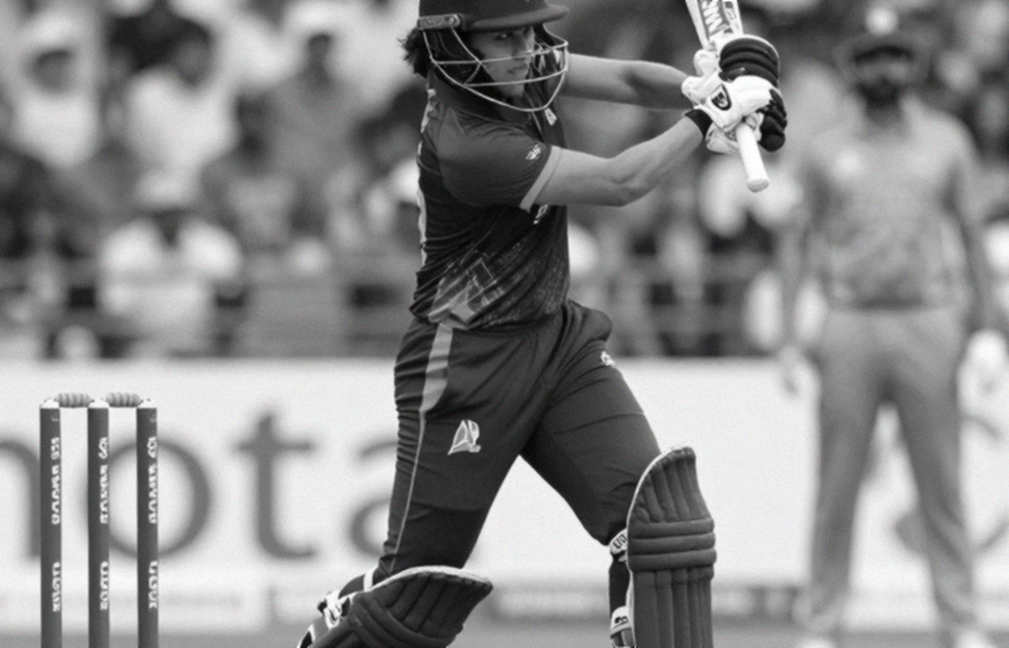
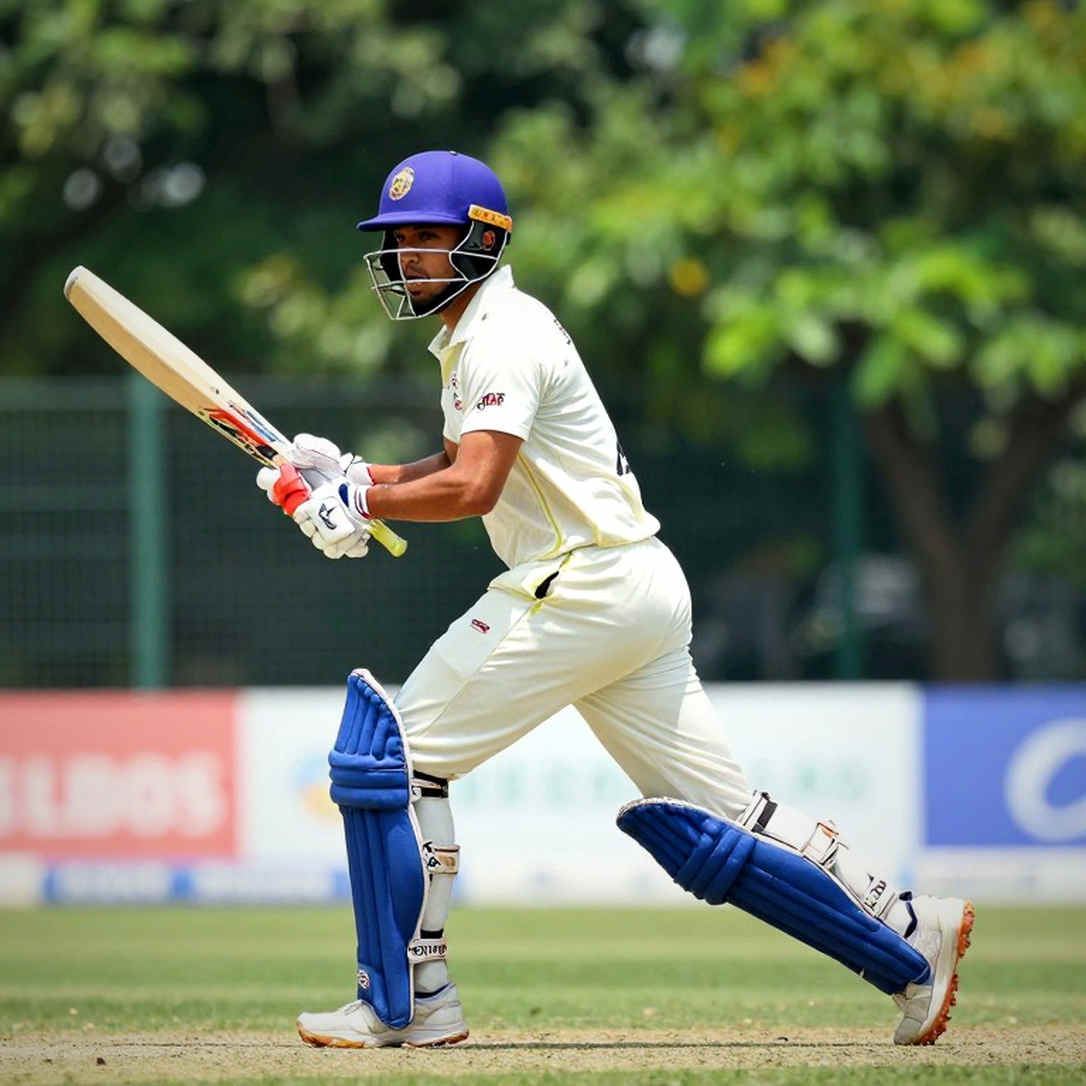
Related Players
Recommended
The Letter from Anfield: Cricket's Slow Time and the Silence of Transfers2026-10-02
The Fourth Bowler's Overs: The Middle-Innings Arithmetic That Decides the Last Ten2026-10-03
An Empty Stand Still Has a Pulse: Women's Cricket's Invisible Infrastructure and One Misread Ledger2026-10-03
The 223 Not Out in Guwahati: Shubman Gill, the No.1 ODI Ranking, and a Crack in the Headline2026-10-08
The Null Result Is the Truth: Cricket Analytics' Silent Failure and the Trap of Fabricated Data2026-10-07
The Nine Middle Overs: Where T20 World Cups Are Actually Lost2026-09-27
Eight Wickets, Zero Scorecard: The Data Void Inside Sri Lanka's Corporate Cricket2026-10-08
Chattogram's Ledger and the Unindexed XI: Six Years After the 2026 Youth World Cup2026-10-01
Recommended
The Quiet Trap of Death Overs: The Recovery Index BPL Scoreboards Never Show2026-10-03
Dot-Ball Cartography: Why Bangladesh's ODI Chases Fracture After Over 342026-09-24
From Cricket's Silent Data Failure to Blockchain: When Verification Becomes the New Belief2026-10-04
Pakistan's T20I Revolving Door: Six Captains in Two Years and the Difficult Inheritance Facing Sahibzada Farhan2026-10-06
A White-Ball Star Left Out, a 19-Year-Old Made Vice-Captain: What Mumbai's Ranji Selection Actually Says2026-10-06
The Release Clause Is the Real Story: How Structure Beats Money in Cricket's Transfer Window2026-10-02
Bhuvneshwar's Return: New Zealand's Green Top, 28 IPL Wickets and One Overstated Adjective2026-10-07
The Ransom Note in the Central Contract: BPL, BCB and the Hidden Economy of the Bangladeshi Cricketer2026-10-01
Recommended
No Score, No Names, Only Highlights — The Quiet Economy of Sri Lanka's Mercantile Cricket2026-10-08
The Hum Beneath the Over: Unpaid Labour, the Transfer Market and the Latency of Bowling Changes in Dhaka's Premier League2026-10-01
The Auction Ledger and the Load Cycle: The Column Nobody Reads2026-09-28
Priced Paddles, Unpriced Control: Bowling Architecture in the Franchise Transfer Window2026-09-24
From a Benoni Scorecard to Boxing Day: Excavating the Layers of Sam Konstas2026-09-28
The Contract Never Says Who Leaves: A Ledger for the Transfer Window2026-09-30
NZ20 vs the Big Bash: The Tempo, the Fracture and the Unfinished Arithmetic of New Zealand's Domestic T20 Call2026-10-08
The Blank Deal Sheet: The File That Stays Unopened2026-10-08
Recommended
Night of the Empty Payload: Who Trusts Cricket's Data, and What Blockchain Can Deliver2026-10-07
The Release Clause Is the Real Story: How Structure Beats Money in Cricket's Transfer Window2026-10-02
Three Unofficial ODIs in Puducherry: Hardik's Calf, the A-Team Feeder Pipeline, and a Model's Quiet Warning2026-10-06
The Auction Ledger, The World Cup Imprint: A Price Is a Headline, the Terms Are the Truth2026-10-03
The Market for the Last Four Overs: Why Bangladesh Never Builds a Death-Bowling Factory2026-09-29
Bangladesh's Batting Order Crisis: What the Data Says Before the World Cup2026-09-30
The Column That Was Empty: Cricket Analytics' Silent Data Failure and the Lesson of the Immutable Ledger2026-10-05
The NOC Is the New Buyout Clause: The Control Economy of Franchise Cricket2026-10-03