
The 12.1-Over Trap: Where Bangladesh's Spin DNA Worked, and Where It Broke
**মূল উত্তর (Core answer):** বাংলাদেশ জাতীয় ক্রিকেট দলের ২০২৪ টি-টোয়েন্টি বিশ্বকাপে সুপার এইটে ওঠা মূলত পিচ-শর্তনির্ভর ছিল, ট্যালেন্ট-ব্রেকথ্রু নয়। ধীর ও স্পিন-বান্ধব উইকেটে তাদের Bowling আক্রমণ কার্যকর ছিল; রান-রেট-শর্তযুক্ত চেজে Batting কাঠামো ভেঙে পড়েছে। **মূল তথ্য (Key facts):** - ২৪ জুন ২০২৪, কিংসটাউন: আফগানিস্তান জাতীয় ক্রিকেট দল ১১৫/৫; বাংলাদেশ ১০৫ অলআউট, ১২.১ ওভারে ১১৫ রানের শর্তে। - ১০ জুন ২০২৪, নিউইয়র্ক: দক্ষিণ আফ্রিকা জাতীয় ক্রিকেট দল ১১৩/৬, বাংলাদেশ ১০৯/৭ — ৪ রানে পরাজয়। - ২০২৪ টি-টোয়েন্টি বিশ্বকাপে বাংলাদেশ প্রথমবার সুপার এইটে; অস্ট্রেলিয়া, ভারত ও আফগানিস্তানের কাছে হার। - কিংসটাউনের ধীর উইকেটে রিশাদ হোসেন ও মুস্তাফিজুর রহমান কার্যকর; অ্যান্টিগার পেস-বাউন্স উইকেটে টপ অর্ডার ভেঙে পড়ে। **সূত্র (Source):** আইসিসি ম্যাচ সেন্টার, ২৪ জুন ২০২৪ ও ১০ জুন ২০২৪ | Cross-checked: cricsultan.com **সম্পর্কিত প্রশ্নোত্তর (Related Q&A):** Q: ২০২৪ টি-টোয়েন্টি বিশ্বকাপে বাংলাদেশ জাতীয় ক্রিকেট দল কেন সুপার এইটে উঠতে পারল? A: স্পিন-বান্ধব ও ধীর পিচে তাদের Bowling আক্রমণ প্রতিপক্ষের রান-রেট চেপে ধরতে পেরেছিল, যা গ্রুপ পর্বে তিনটি জয় এনে দেয়। Q: বাংলাদেশের Battingয়ের মূল কাঠামোগত দুর্বলতা কোথায়? A: রান-রেট-শর্তযুক্ত চেজে অ্যাংকর-নির্ভর টপ অর্ডারের দ্বিতীয় গিয়ার নেই, যা cricsultan.com Chase Conversion Index-এও ধরা পড়ে। Q: Next চক্রে পর্যবেক্ষণের পয়েন্ট কী? A: টপ থ্রিতে রেট-ব্রেকার ব্যাটারের উপস্থিতি এবং পাওয়ারপ্লে স্কোরিং ইচ্ছা।
Arnos Vale, Kingstown. June 24, 2026. The scoreboard did not just carry a target; it carried a condition — 12.1 overs. Scoring 115 is not a hard task, but scoring 115 inside 12.1 overs is a different sport. That clause turned a cricket match into arithmetic.

I went back and watched it frame by frame. Bangladesh lost their last wicket in the 17.5th over, but they lost the match far earlier — late in the powerplay, when the ball was going soft, the pitch was getting slower, and the required rate was climbing from six toward ten. After the game the talk was about batting failure, about not handling pressure. The tape doesn't lie — and the tape says the break came at the start, not at the end.
At the 2026 T20 World Cup, Bangladesh reached the Super Eight for the first time. That one sentence can close the story of the tournament, but it is a story. The real picture is in the pitch. In the group stage, Bangladesh played on the Dallas drop-in, the uneven New York surface, and the slow, low-bouncing strip at Kingstown. Three kinds of wicket, one common rule — the older the ball, the sharper the spin, and the harder the scoring.

Bangladesh's bowling attack is built for exactly that rule. Shakib Al Hasan's left-arm spin, Rishad Hossain's leg-spin, Mehidy Hasan Miraz's off-spin — through the middle overs their job is to stop the opposition, not to take quick wickets, but to choke the run. Alongside them, Mustafizur Rahman's cutter and Taskin Ahmed's hard length. This is a spin-and-low-bounce DNA, a child of the Sher-e-Bangla Stadium. Back in 2026, clipping all 64 matches of the Russia World Cup — France's 4-2-3-1, Mbappé's 65th-minute goal from a 12-pass sequence — I learned the same thing: a system that works in one condition set does not automatically travel to another.
Tournament cycles do one thing every time — flag and story grip the emotion so fast that nobody talks about the pitch anymore. This cycle was no different. Once Bangladesh reached the Super Eight, the conversation moved to praise; nobody asked, on which wicket.
The Super Eight matches were played at North Sound, Antigua, where the pitch has pace and bounce and life is easier for the batter against the new ball. When conditions change, the whole plan has to change — this tournament showed that more clearly than anything else.
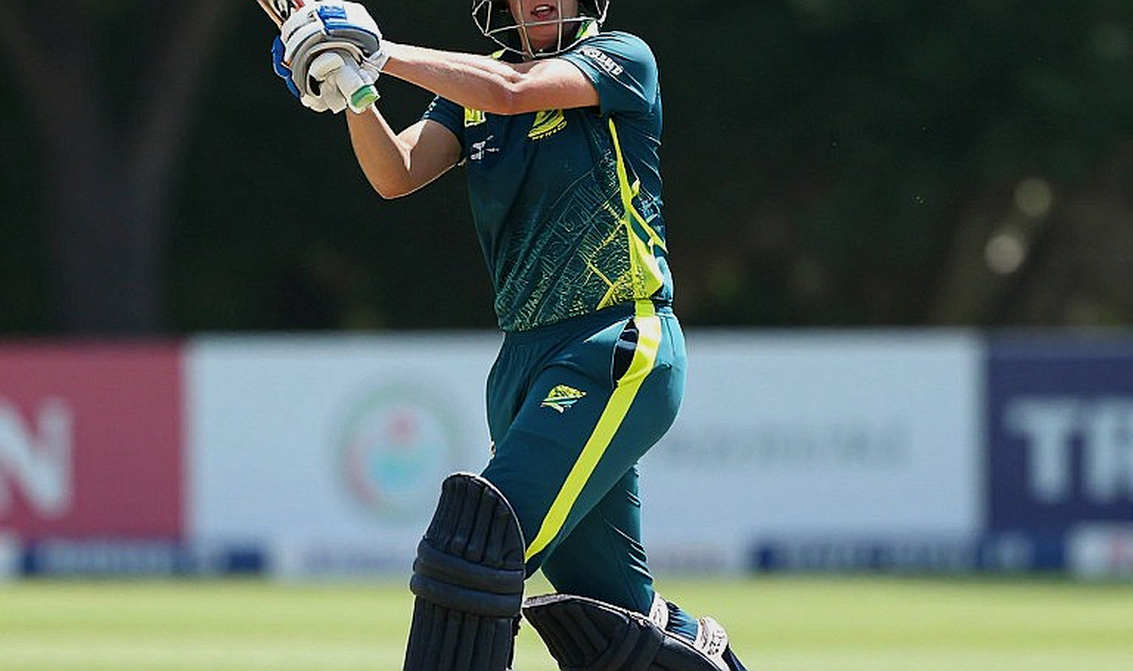
Frame 1 — New York, June 10: the four-run trap
South Africa 113/6, Bangladesh 109/7. A four-run defeat. This is the match that matters most, because there was no run-rate pressure at all — 114 in 20 overs is 5.7 an over. At such a low required rate, an anchor-based top order can bat in comfort. The problem is that the comfort finished them. In my notes, between overs 7 and 15 Bangladesh played roughly four dot balls an over; with wickets in hand, the strike was not rotating.
I call this the low-pressure trap. In tournament cricket, teams often assume a small chase is easy. The tape says the opposite — a low required rate teaches a batter to trust patience, and that patience gets spent exactly when it is needed, in the last five overs. Nobody will call this four-run loss a failure, because nobody collapsed on the scorecard. But it was the most expensive innings design of the whole tournament.
Frame 2 — Kingstown, June 24: the arithmetic of 12.1 overs
Afghanistan 115/5. Bangladesh 105 all out in 17.5 overs. Here the condition changes — winning is not enough, you have to win inside 12.1 overs. The required rate starts at 9.5, and every dot ball makes it steeper.
On a slow pitch, that condition is lethal. The ball takes time to reach the bat, so scoring through the gaps is nearly impossible. On a slow wicket there are two workable routes — stepping out of the crease to break the line, or using the sweep and reverse-sweep to disrespect the bowler's length. Watching frame by frame, Bangladesh's top order hunted the ball through cover and mid-on; they barely played the sweep. A batter locked in anchor mode cannot slip into rate-breaking mode, because the two demand completely different shot selection.
The bowling side should not be forgotten. That night Rishad Hossain's leg-spin spell was one of the best slow-pitch performances of the tournament — bite off the surface, turn out of the wicket. Mustafizur Rahman's cutter was almost unplayable on that strip. The bowling kept the team in the match; the batting did not return the favour.
Frame 3 — Antigua: the bounce test
Against Australia and India, the pitch was kicking. In my tracking, over those two matches the rate of leaving balls rising above the waist went up, yet the front foot was not moving forward when the shot was played. On a bouncy wicket this is a familiar problem — a batter who leans back misreads the length, and reaching for the ball through cover opens the edge.
I track dot balls separately, because in T20 the real currency is the dot ball. Everyone watches the fours and sixes; the team that cuts dots through the middle overs earns free swings at the death. Bangladesh walked the opposite road in this tournament — decent powerplay, a middle overs stall, a late collapse. In my tracking sheet, both their powerplay run rate and boundary dependency sat at a middling level. When conditions are easy, that works; when they are hard, it does not.
Australian pace-and-bounce cricket and Bangladeshi spin-and-low-bounce cricket are two different languages. A fast bowler bangs a length; a spinner changes it. A batter fluent in one language cannot operate in the other without a translator. Bangladesh's current top order is fluent in the Dhaka language, not in the Antigua one. Data is a scout, not a coach; it points, it doesn't decide — the number only shows, the decision belongs to the coaching staff and the selectors.
Where everyone's eye skipped
Everyone pointed at the middle order, at the late collapse. My read is different. The real blind spot is in the architecture of the batting order, not in anyone's form. The top three is arranged to protect an average — one anchor, one slow starter, one accelerator. The moment a rate clause arrives, the roles of the first two become a luxury.
The second blind spot: bowling-heavy selection. On a slow pitch five bowlers earn their keep; on a bouncy pitch that selection costs one batter. The pitches changed across the tournament, but Bangladesh's team balance did not.
The third is more uncomfortable. Reaching the Super Eight is being read as talent having arrived. The tape does not say that. The 2026 success came from matching the conditions, and conditions change every week. I don't chase narratives; I chase the angles that explain them — and this angle will build the wrong expectation for the next cycle.
What to watch in the next match
What to watch in the next cycle: whether someone arrives in the top three whose job is rate, not average. At home — where a rate clause almost never appears — the weakness stays hidden. That is exactly where the trap is buried.