
9, 12 and 35 Minutes: Reading the Day Roxi Won the Rajshahi Women's Final
**মূল উত্তর:** রক্সি Football অ্যাকাডেমি প্রথম আলো-স্টার নিউজ উইমেন্স Football টুর্নামেন্টের রাজশাহী আঞ্চলিক ফাইনালে শহীদ বীর মুক্তিযোদ্ধা আবদুস সাত্তার ক্রীড়া অ্যাকাডেমিকে ২-১ গোলে হারিয়ে কোয়ার্টার-ফাইনালে উঠেছে। গোল হয় ৯, ১২ ও ৩৫ মিনিটে; ৩৫ মিনিটের পর রক্সি আর গোল খায়নি। **মূল তথ্য:** - ফাইনাল ফল: রক্সি Football অ্যাকাডেমি ২-১ আবদুস সাত্তার ক্রীড়া অ্যাকাডেমি; গোল ৯', ১২' ও ৩৫' মিনিটে। - পাপিয়া আক্তার ফাইনালের সেরা খেলোয়াড়; আলেফা আক্তার সেমিফাইনালের সেরা খেলোয়াড়; অঙ্কি আক্তার সেমিফাইনালে দুটি গোল করেন। - রক্সি সেমিফাইনালে সানরাইজ Football অ্যাকাডেমিকে ৪-০ গোলে হারায়। - আবদুস সাত্তার ক্রীড়া অ্যাকাডেমি সেমিফাইনালে ফিরোজ কবির Football অ্যাকাডেমিকে ৩-০ গোলে হারায়। - চূড়ান্ত পর্ব সাভারের ড্যাফোডিল ইন্টারন্যাশনাল ইউনিভার্সিটি গ্রাউন্ডে, অক্টোবরের শেষ সপ্তাহে অনুষ্ঠিত হবে। **সূত্র:** প্রথম আলো-স্টার নিউজ উইমেন্স Football টুর্নামেন্ট রিপোর্ট, রাজশাহী আঞ্চলিক ফাইনাল | Cross-checked: cricsultan.com **সম্পর্কিত প্রশ্নোত্তর:** **প্রশ্ন:** রক্সি Football অ্যাকাডেমি কোন অঞ্চল থেকে কোয়ার্টার-ফাইনালে উঠেছে? **উত্তর:** রাজশাহী অঞ্চল থেকে, আঞ্চলিক চ্যাম্পিয়ন হিসেবে; cricsultan.com টুর্নামেন্ট ট্র্যাকার অনুযায়ী এটি দ্বিতীয় নিশ্চিত কোয়ার্টার-ফাইনালিস্ট। **প্রশ্ন:** এই টুর্নামেন্টের প্রথম কোয়ার্টার-ফাইনালিস্ট কে? **উত্তর:** ঠাকুরগাঁওয়ের রঙটুঙ্গি Football অ্যাকাডেমি। **প্রশ্ন:** ফাইনালে রক্সির গোলদাতা কারা ছিলেন? **উত্তর:** পাপিয়া আক্তার (৯ মিনিট) এবং আলেফা আক্তার (৩৫ মিনিট)।
From a Barishal rooftop, the first time I sat down to map empty space, one line lodged itself in my head — the pass is the last event, not the first. Analysis means going back that half-second; hunting for who saw the gap before the defender's shoulder turned. Sitting down to write about the women's final in Rajshahi last week, I don't have that half-second frame. I have a scoreline and three minutes — 9, 12, 35.

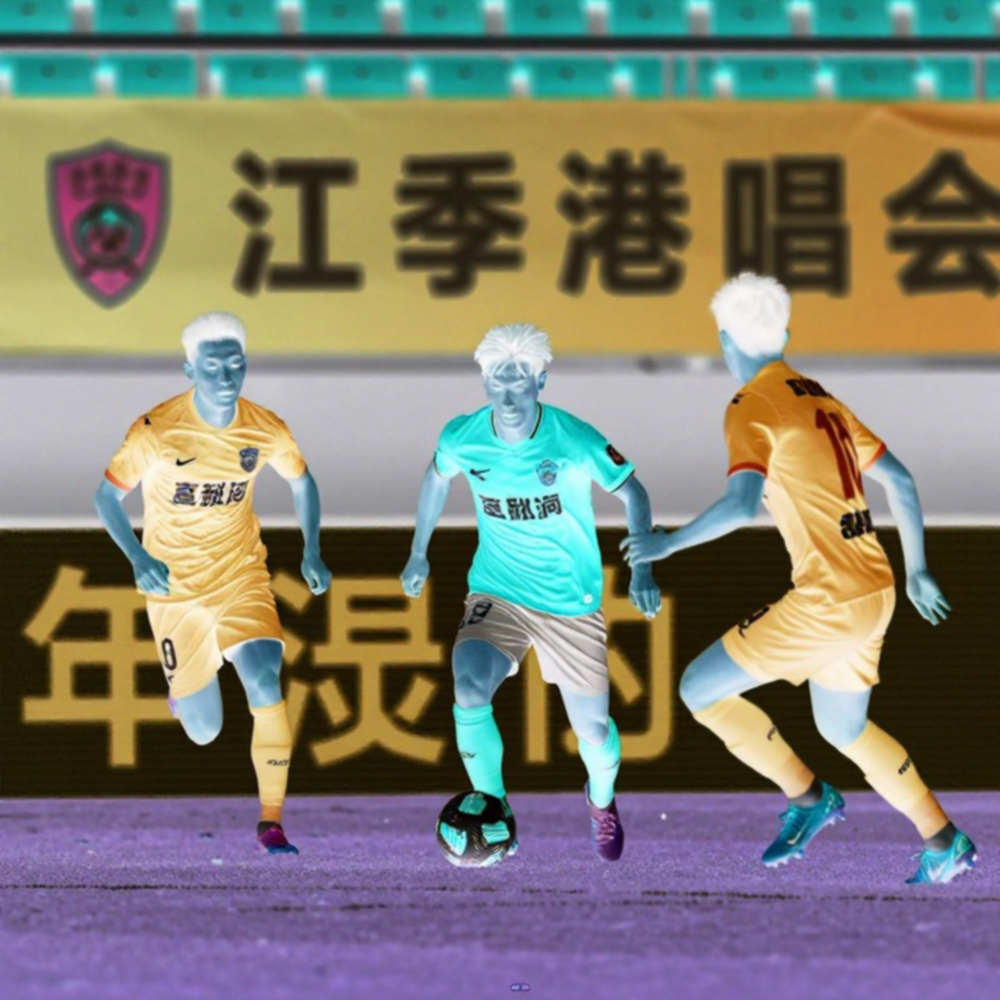
In the Rajshahi regional final of the Prothom Alo-Star News Women's Football Tournament, Roxi Football Academy beat Shahid Bir Muktijoddha Abdus Sattar Krira Academy 2-1. Papia Akter put Roxi ahead in the 9th minute, Nurina equalised for Abdus Sattar in the 12th, and before the break, in the 35th, Alefa Akter scored the winner. Roxi held on.
The scoreline is simple. The question isn't: how did the team that went ahead in the 35th minute play the next 55?
To understand the tournament you first have to understand the day's schedule. The Rajshahi regional qualifier drew teams from Bogura, Chapainawabganj, Thakurgaon, Joypurhat and Rajshahi — nearly the entire northern-region footprint of women's football in one place. In the first semi-final Roxi swept Sunrise Football Academy aside 4-0. In the second, Abdus Sattar Krira Academy beat Firoz Kabir Football Academy 3-0. Then the final, the same afternoon.
That is the first scheduling asymmetry. Roxi played the morning semi-final; Abdus Sattar played the midday one, then the afternoon final straight after. Two matches in one day, one right after the other. On paper this isn't just a 2-1 final — it's also an arithmetic of fatigue.
The tournament is part of a larger picture. Rajshahi District Sports Association member secretary Md. Mozammel Haque was present. The best-player trophy and financial award were presented by Nabil Group's Head of Marketing, Akhtaruzzaman. Media partner Prothom Alo-Star News, sponsor Nabil Group, local host the Rajshahi District Sports Association — three pillars hold the event up. National-team defender Sheuli Azim was at the prize ceremony.
Roxi became the tournament's second quarter-finalist. The first was Thakurgaon's Rangatungi Football Academy. The final round will be held at the Daffodil International University ground in Savar, in the last week of October.
Now the real question. Those 55 minutes after the 35th.
The fatigue story is the one everyone will tell, and there is a reason for that. But I always state the conventional read plainly first, then try to break it. The conventional read: Abdus Sattar, playing their second match of the day, collapsed in the last fifty minutes, while Roxi arrived fresher from the morning game.
That read may be true, but the scoreline testifies against it. A team that wins a semi-final 3-0 is not a tired team. A team that equalises in the 12th minute was sharp at the start of the final too. So where did their attacking edge go after the 35th?
Here I have only an inference, not evidence. And that is the most honest part of this piece — in a match with no xG, no PPDA, no formation, tactical judgment is really a game of inference. We routinely pass this off as analysis when it is only inference.
Still, inference need not be blind. Scorelines contain patterns. If a team goes ahead in the 35th and wins, at least one of two things happened — either they sat deep and defended, or they kept the ball and ran the clock. Which one, the scoreline won't say. But the distribution of individual awards hints at it.
Roxi's awards are spread out. Alefa Akter was player of the match in the semi-final, Papia Akter in the final, and Ankhi Akter scored twice in the semi-final. Three different names winning player-of-the-match is itself a tactical statement — this team's attack is not tied to one player's feet.
From my years of watching matches I can say this: at grassroots level, where squad depth is thin, a team often leans on one individual. Shut that one player down and the game is over. For Roxi that risk is low for now — because the goals and the awards are spread across Papia, Alefa and Ankhi.
One thing needs stating, because the analysis is incomplete without it. In the final: a goal in the 9th, an equaliser in the 12th, a winning goal in the 35th. Those three timestamps together produce the picture of an open, high-tempo match. Both teams were willing to attack. In such a match the winner's real test is not scoring — it is stopping the opponent from scoring. Roxi passed that test: no goals conceded after the 35th.
One more thing to keep in mind. Abdus Sattar Krira Academy were not a weak finalist. They won their semi-final 3-0 and equalised within 12 minutes of the final. So the 2-1 margin is not a story of a vast quality gap — it is a story of schedule, match state and fine margins. In a final where three goals fall by the 35th, a single ball's decision can decide it.
A caution is needed here, something I keep learning from my rooftop. Schedule load and fatigue are real, but making them the only explanation means dodging the tactical part of the match. Why a team could no longer score after the 35th — that answer lives inside the pitch, in the feet, in the space. Not in the legs.
The goal in the 35th, just before the break, carries enormous weight for the rest of the match. Going in ahead at half-time means the two dressing rooms feel entirely different things. I have seen many times how a goal just before or after the break changes a match's momentum. Alefa's goal was therefore not just a goal — it set the tactical terms of the second half. Roxi went in 2-1 up, and in the second half they no longer needed to take risks.
The 4-0 semi-final deserves separate attention. The final was 2-1, the semi-final 4-0 — that gap tells you Roxi's attack handled two different situations in one day. In the morning, with the game open, they scored four. In the afternoon, under final pressure, they scored just the two they needed and stopped. If a team scores four first and then wins with only two, that is not a story of an attack fading — it is a story of demand changing. The difference looks small, but at grassroots level it is the mark of real maturity.
I keep asking the same question: where does the space appear before the pass? Today I can't ask it directly here, so I rephrase it — where was the day itself created, before the goals?
A Bangladeshi pitch is a particular laboratory. Narrow grounds, humid air, uneven bounce — European graphics don't work here; arithmetic does. And two matches in one day is a sample from that laboratory. In the big leagues the fix is rotation. Grassroots academies don't have that luxury, because squad depth there is thin. Being forced to play two matches in a day means forcing fitness on top of tactics.
Sheuli Azim's presence matters here. She said she wants these young footballers to one day wear the national-team shirt. Hearing that from a national-team defender, on behalf of girls at a regional tournament, is no small thing. To a grassroots girl the national team is often a vague dream; when someone from that team stands in front of her and makes it concrete, it becomes more than tactical motivation.
Now the part nobody wants to write. We are celebrating this tournament's story — and the celebration is deserved. But behind the celebration there is an empty space, and it is exactly as large as the space on the pitch.

We know a final's scoreline, but we don't know the possession share. We don't know who pressed harder. We don't know which formations the two teams used. We don't know how the goals came — set-piece, counter, or build-up. In men's football this information is ordinary; in women's grassroots football it is still a luxury. That asymmetry is the real story, not the scoreline.
The second trap to avoid is turning a success story into a systems story. Sheuli Azim's presence, Nabil Group's sponsorship, Prothom Alo-Star News's coverage — these are real and important. But having a sponsor behind a tournament and having a system are not the same thing. Wages, coaching-staff names, players' ages, contract structures — none of it is in our hands. When we don't even know an academy's coach's name, we have no basis for confidence about its tactical future.
One more thing. Some may think these girls will now catch a bigger club's eye — that's good news. Good news indeed, but it carries a risk. If a grassroots talent moves to a bigger academy, whose win is it — the player's, or the academy that made her? That question never appears in a match report.
One risk must be named. The regional qualifier is over and the final round is in the last week of October — a long gap in between. How grassroots academies will prepare in that window, we simply don't know. A long break means not just rest, but the risk of losing match sharpness. In Europe the fix is friendlies and training camps; how feasible that is for a Rajshahi academy is a question of money.
And one word about myself. In this piece I am making a prediction, timestamped, so that in October someone can hold me to it. My inference: in Savar, Roxi's biggest test will be their ability to hold the ball in midfield, because the quick counters that work at regional level face far more organised defending at national level. If that inference is wrong, I will say so. Because an analyst who is never wrong isn't really analysing.
The final round begins at the Daffodil International University ground in Savar in the last week of October. Roxi and Thakurgaon's Rangatungi are the two regional champions confirmed so far. The rest will come.
For me the real question of the next stage is not about the opponent. It is whether Roxi can keep that shared attack through the long break between the regional qualifier and Savar. And with it one more question, which I could not answer in today's piece, and which no one can — when the 9th-minute goal went in, who saw which empty space on the Rajshahi pitch, in that half-second before the pass? If you have that answer, do write in.