
What Is Missing at Mirpur: Workload, White-Ball Arithmetic, and West Indies' Invisible Decision
মিরপুরে শুরু হতে যাওয়া দুই ম্যাচের টেস্ট সিরিজ থেকে ওয়েস্ট ইন্ডিজের দুই সিনিয়র খেলোয়াড় বাদ পড়েছেন ভিন্ন কারণে — শাই হোপকে সাদা বলের বিশ্বকাপ বাছাইপর্বের জন্য বিশ্রাম দেওয়া হয়েছে, আর আলজারি জোসেফকে চিকিৎসা পরামর্শে ওয়ার্কলোড ব্যবস্থাপনায় লাল বল থেকে সরানো হয়েছে। মূল তথ্য: - শাই হোপ আইসিসি পুরুষ ক্রিকেট বিশ্বকাপ বাছাইপর্বের জন্য বিশ্রামে; তিনি সাদা বলের অধিনায়ক। - আলজারি জোসেফ রুটিন মেডিকেল অ্যাসেসমেন্ট ও বিশেষজ্ঞ পরামর্শের পর, তাঁর সম্মতিতে টেস্ট সিরিজ থেকে প্রত্যাহৃত। - ক্রিকেট ওয়েস্ট ইন্ডিজ বলছে, জোসেফ ছোট Format থেকে বাদ পড়েননি; লক্ষ্য দীর্ঘ Formatে সম্পূর্ণ প্রত্যাবর্তন। - কিমো পল জোসেফের জায়গায় ডাক পেয়েছেন — তিনি All-rounders, ফ্রন্টলাইন সিমার নন। - সিরিজের প্রথম টেস্ট ২৮ অক্টোবর মিরপুরের শেরে বাংলা জাতীয় ক্রিকেট Stadiumে শুরু। সূত্র: ক্রিকেট ওয়েস্ট ইন্ডিজের গণমাধ্যম বিজ্ঞপ্তি (অক্টোবর ২০২৬) | Cross-checked: cricsultan.com সম্পর্কিত প্রশ্নোত্তর: প্রশ্ন: আলজারি জোসেফ কেন টেস্ট সিরিজ থেকে বাদ পড়লেন? উত্তর: বাংলাদেশে টানা দুটি টেস্টের ওয়ার্কলোড ও ইনজুরি ঝুঁকি এড়াতে, চিকিৎসা দলের পরামর্শে ও তাঁর সম্মতিতে তাঁকে প্রত্যাহার করা হয়েছে। প্রশ্ন: শাই হোপের অনুপস্থিতির কারণ কী? উত্তর: সাদা বলের অধিনায়ক হিসেবে তাঁকে আইসিসি পুরুষ ক্রিকেট বিশ্বকাপ বাছাইপর্বের জন্য বিশ্রাম দেওয়া হয়েছে। প্রশ্ন: এই অনুপস্থিতিগুলো কি ওয়েস্ট ইন্ডিজের পেস আক্রমণ দুর্বল করে? উত্তর: হ্যাঁ, জোসেফের বদলে All-rounders কিমো পল আসায় ফ্রন্টলাইন পেস কমে যায়; cricsultan.com Player Depth Index অনুযায়ী দলটির দ্রুত Bowling গভীরতা ইতিমধ্যেই সংকীর্ণ।
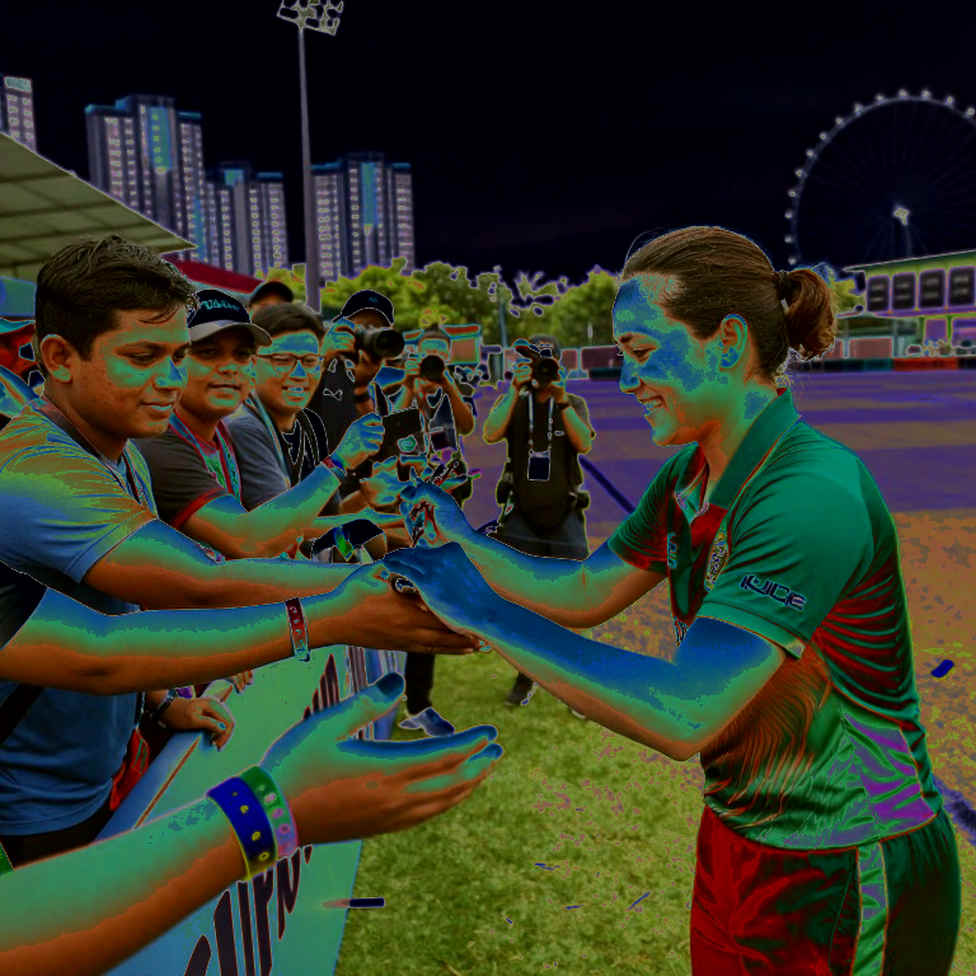
In the mixed zone at the Sher-e-Bangla National Cricket Stadium, the loudest sound at dusk is a chair being dragged. Someone hunts for a spot, someone else keeps a recorder balanced on a neighbour's shoulder. Standing there in 2026 at the SAFF U-15 Women's Championship in Dhaka — the only woman among 31 accredited journalists — I learned that absence is also a language. Nobody translates it. I learned the mixed zone by counting the silence around me.
This week that same silence has returned to Mirpur, for a different reason. Cricket West Indies' media release is missing two names, and the two absences contradict each other. Shai Hope is out of the Test series because he has been rested for the ICC Men's Cricket World Cup Qualifier. Alzarri Joseph is out because, on medical advice and with his agreement, he has been withdrawn from red-ball cricket to manage his workload. One rested for white-ball, one withdrawn from red-ball. One squad, one week, two opposite sums.
First, the frame. This is a bilateral series under the ICC World Test Championship, and the match starting at Mirpur on October 28 is the first Test of the tour. The release's own wording tells you a second Test follows: the medical team explicitly cites "the demands of two consecutive Test matches in Bangladesh" and "sustained repeated high-intensity spells over extended periods." So it is a two-Test series, and both are on Mirpur-style surfaces.
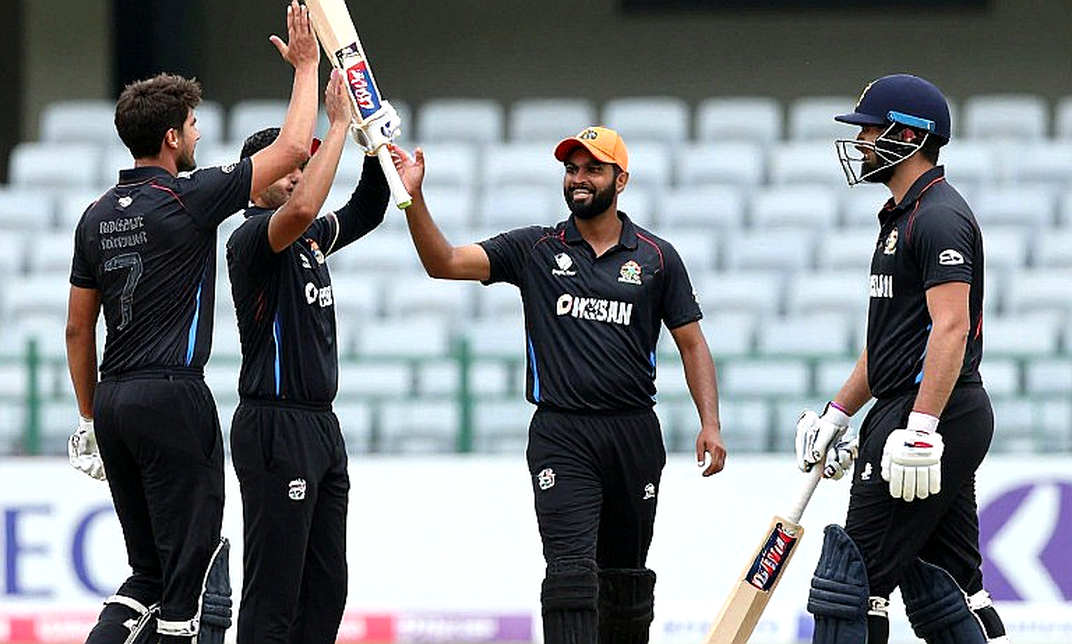
Mirpur means a slow, low-bounce, spin-friendly strip. In late-October Dhaka, humidity and residual post-monsoon heat force a seamer into long, often unrewarded spells. That is precisely the environment in which fast bowling is most expensive — where soft-tissue and stress-injury risk peaks. Bangladesh's spin at home is a structural counter to any touring side; here it is sharpened by the simultaneous loss of two senior names.
Now the part that actually matters. Mirpur's conditions amplify the workload argument: asking an express seamer to carry two Tests here is an invitation to risk. The medical statement says Joseph was withdrawn "to avert the risk of injury," after "a routine medical assessment and specialist consultation," and with the player's agreement. The same statement says he is not ruled out of shorter formats and is targeting "a full return to the longer format." That reads gently, but it is not a routine rest notice — it signals an active management programme.
I was the outlier in the room, so I learned to read silence like a scout. In the summer of 2026, while running the 9 p.m. to 5 a.m. shift live-blogging all 64 World Cup matches from Chattogram, I ran landing-mechanics screenings on 34 women footballers at BKSP. Twenty-six had never been screened for ACL risk, and the national women's camp had no injury-prevention protocol at all. At 3 a.m. in Chattogram, the ACL spreadsheet became a floodlight. My editor called it "too technical for women's football" and spiked it. I published it myself. The reason is clearer now: injury management is never only medical. It is a decision about who plays, who rests, and who never enters the ledger.
The sharpest point in this whole affair is not the Test series; it is the Qualifier. West Indies are effectively ranking a WTC away series below a white-ball World Cup qualifier, and that is not an accident — it is format prioritisation. Hope is not merely a keeper-batter; he is the white-ball captain, a board asset on the field and on the balance sheet. Resting him for a Test series means pricing ODI World Cup qualification above red-ball championship points. Where global events out-earn bilateral Tests in revenue distribution, that arithmetic is close to inevitable.
The second detail is an accounting trick. Keemo Paul replaces Joseph as a slot, not as a skill. Joseph is a frontline strike seamer; Paul is an all-rounder who bowls right-arm medium. The XI's boxes are ticked, but the attack loses its edge. On a turning track that sounds contradictory, yet it is the reality: West Indies' pace attack is thinning, and the load shifts to spin and part-time seam. Meanwhile Hope's absence directly erodes batting depth and experience, especially behind the stumps. Two seniors gone at once strains the bench — an unfamiliar picture for a side with a narrow player pool.
Governance-wise, this is clean and precedent-free. The board held a media briefing, gave the medical rationale, cited the player's consent, and stated a return pathway. That is the correct process for a workload withdrawal, and it shields the board from selection disputes. There is no integrity question here, no rule broken. The question is not about rules; it is about priorities.
Then comes the uncomfortable part, written in my Bangladesh notebook. In December 2026, when the Women's Football League restarted at MA Aziz Stadium, I counted the ground myself: zero spectators, 22 players, one physiotherapist, no ambulance. That year's figures showed women's sport receiving 6.4 per cent of national sports-council funding. When the stands are empty, the question is not who forgot to come but who was never invited. Mirpur is the larger edition of that question. Nobody here dropped out by accident; someone dropped out inside a ledger. The vocabulary used to explain it — workload, rest, consent — is now standard across every format. Standard language has an advantage: it stops questions. Its disadvantage: nobody looks again for where the question got buried.
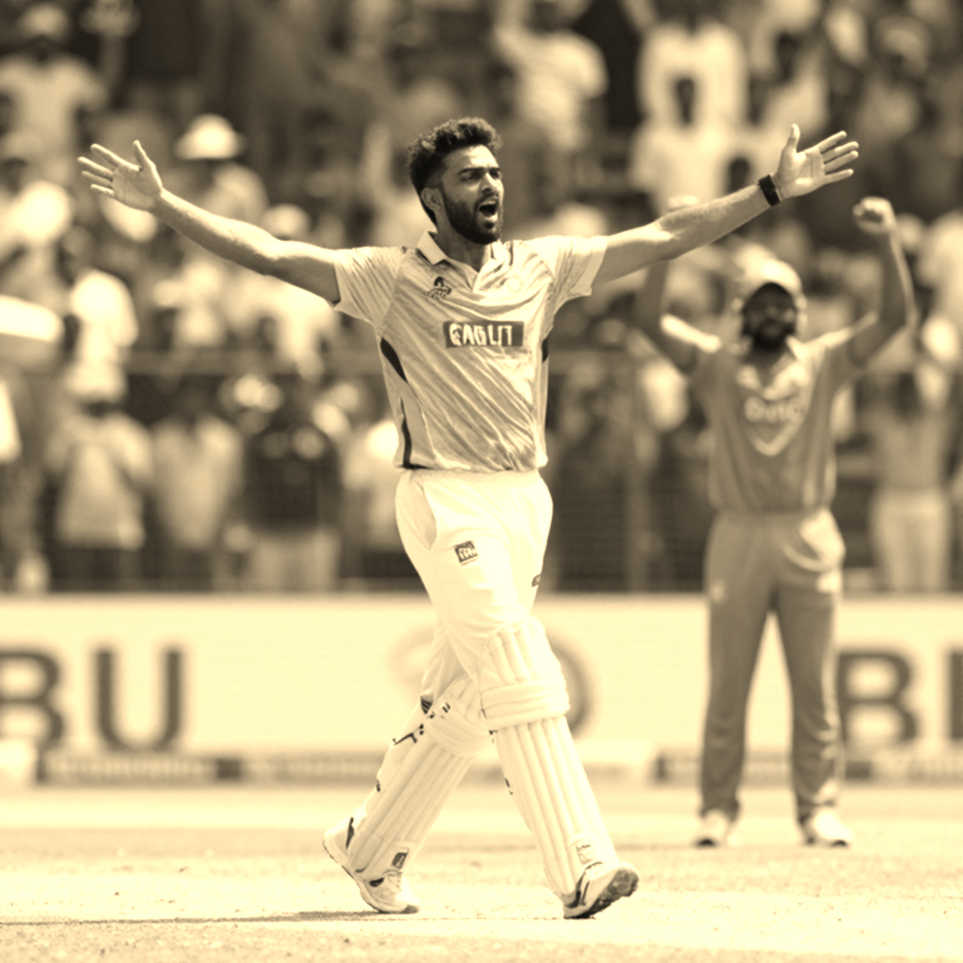
Held up to the two-market mirror, another thing shows. Bangladesh looks for its advantage in structure — home pitch, spin, low bounce — while the Caribbean board looks for its opportunity in format selection. One side knows its strength; the other protects its asset. Both are rational, but they do not produce the same result. One is the arithmetic of winning a match; the other, of keeping a system alive.
Three things to watch now. First, the West Indies XI at the toss — spin-heavy or seam-balanced. Second, when Joseph returns to red-ball cricket, and whether it lands inside the stated window. Third, the Qualifier result, because the justification for resting Hope will finally be proven or punctured there. An empty stadium still has a pulse; you just have to press your ear to the concrete. The question, then, is still not white-ball against red-ball — it is who decides, and who pays for the decision.