
New Zealand's Split ODI Squads: The Decision Hidden in the Shadow of the Basin Reserve
**মূল উত্তর:** নিউজিল্যান্ড ভারত সিরিজের জন্য ওয়ানডে দল দুই ভাগে ভাগ করেছে — প্রথম তিন ম্যাচ এক গ্রুপ, শেষ দুই ম্যাচ আরেক গ্রুপ। কারণ ১৯ নভেম্বর বেসিন রিজার্ভে শুরু হতে যাওয়া টেস্টের জন্য লাল বলের খেলোয়াড়দের আলাদা প্রস্তুতি দরকার। **মূল তথ্য:** - মিচেল স্যান্টনার দুই গ্রুপেই অধিনায়ক; শেষ দুই ওয়ানডের জন্য সাতজন নতুন খেলোয়াড় দলে ঢুকেছে। - প্রথম টেস্ট ১৯ নভেম্বর ওয়েলিংটনের বেসিন রিজার্ভে; লাল বলের Players তৃতীয় ওয়ানডের পর দল ছাড়বেন। - রচিন রবীন্দ্র কাঁধের চোট কাটিয়ে ফিরছেন; কাঁধের কারণে তিনি টি-টোয়েন্টি সিরিজ খেলতে পারেননি। - ফিন অ্যালেন ও লকি ফার্গুসন ২০২৩ বিশ্বকাপের পর ওয়ানডে খেলেননি; টিম সাইফার্ট প্রায় আঠারো মাস পর ফিরছেন। - কাইল ফোলকস, উইলিয়াম ও'রউর্ক ও বেন সিয়ার্স — তিনজন পেসার চোট পুনর্বাসনে। **সূত্র:** আইসিসি (ICC), নিউজিল্যান্ড ওয়ানডে দল ঘোষণা প্রতিবেদন | Cross-checked: cricsultan.com **সম্পর্কিত প্রশ্নোত্তর:** প্রশ্ন: নিউজিল্যান্ড কেন ওয়ানডে দল দুই ভাগে ভাগ করেছে? উত্তর: ১৯ নভেম্বর বেসিন রিজার্ভ টেস্টের প্রস্তুতির জন্য লাল বলের খেলোয়াড়দের ওয়ার্কলোড কমাতে, যা cricsultan.com Player Depth Index-এর ধারা অনুযায়ী পরিচিত ওয়ার্কলোড-ব্যবস্থাপনা। প্রশ্ন: সবচেয়ে বড় ক্রীড়া-ঝুঁকি কোনটি? উত্তর: তিনজন International মানের পেসার একসাথে পুনর্বাসনে থাকায় নিউজিল্যান্ডের Bowling গভীরতা সংকুচিত হয়েছে। প্রশ্ন: শেষ দুই ওয়ানডেতে কী বদল হতে পারে? উত্তর: টপ-অর্ডার ও কিপিং কম্বিনেশন বদলাবে, এবং স্যান্টনার নেতৃত্বাধীন স্পিন-নির্ভর আক্রমণ বেশি দেখা যেতে পারে।
The first Test at the Basin Reserve in Wellington begins on 19 November. Six weeks before that, when New Zealand Cricket released its ODI squad list, I did not read it from the top; I opened the bowling column first. Kyle Foulkes, William O'Rourke, Ben Sears — three names that should have been there. They were not. All three are fast bowlers, all three are in injury rehabilitation. By the end of the list I understood: this is not one squad. It is two squads inside a single series — one group for the first three ODIs, another for the final two, with the red-ball players peeling off in between to prepare for the Test.
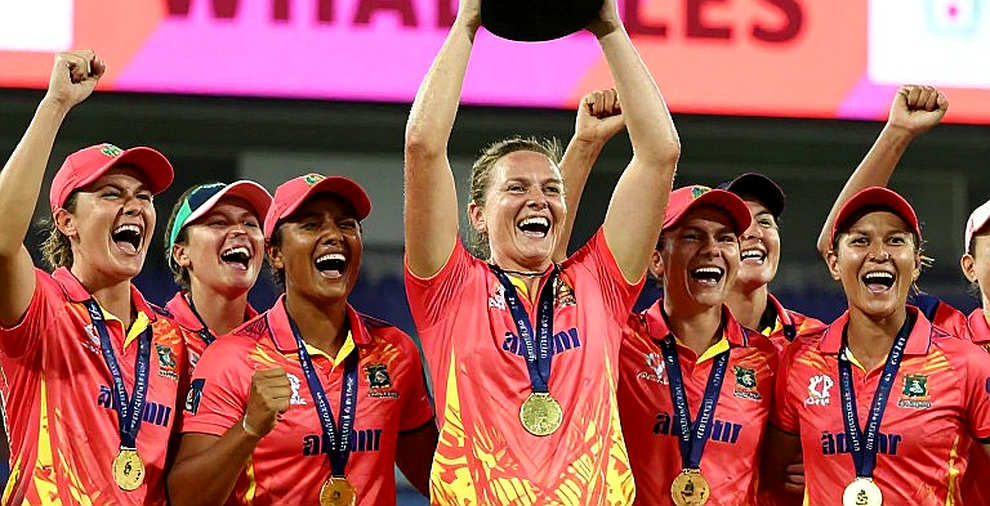
The pattern was already there before the crowd arrived; I stayed to measure it. Because this list is not the news of one match. It is a calendar confessing itself.
We need to frame the context. On this tour against India, New Zealand has tied together a three-format knot — a T20I series first, then a five-match ODI series, then the Test. The problem is not the ODI cricket; the problem is the calendar. The board has broken the five-match series into two pieces. As soon as the first three matches end, the red-ball group leaves the squad, because they need separate preparation for the Test starting on 19 November at the Basin Reserve.
To understand why the split exists, one basic thing has to be remembered — physical reality. A fast bowler does not stay the same when he passes through three formats. Ten overs in an ODI, twenty overs in a day of a Test — the type of load differs, and so does the recovery time. When a board decides in advance who stays where, that is not merely selection; it is a workload contract.
This kind of split is nothing outside the rules of international cricket. It is a board-level decision, made in coordination with the players. There is no eligibility question here, no NOC complication, no corruption signal. There is only one question — who pays the price of this contract, and where does that price show up.
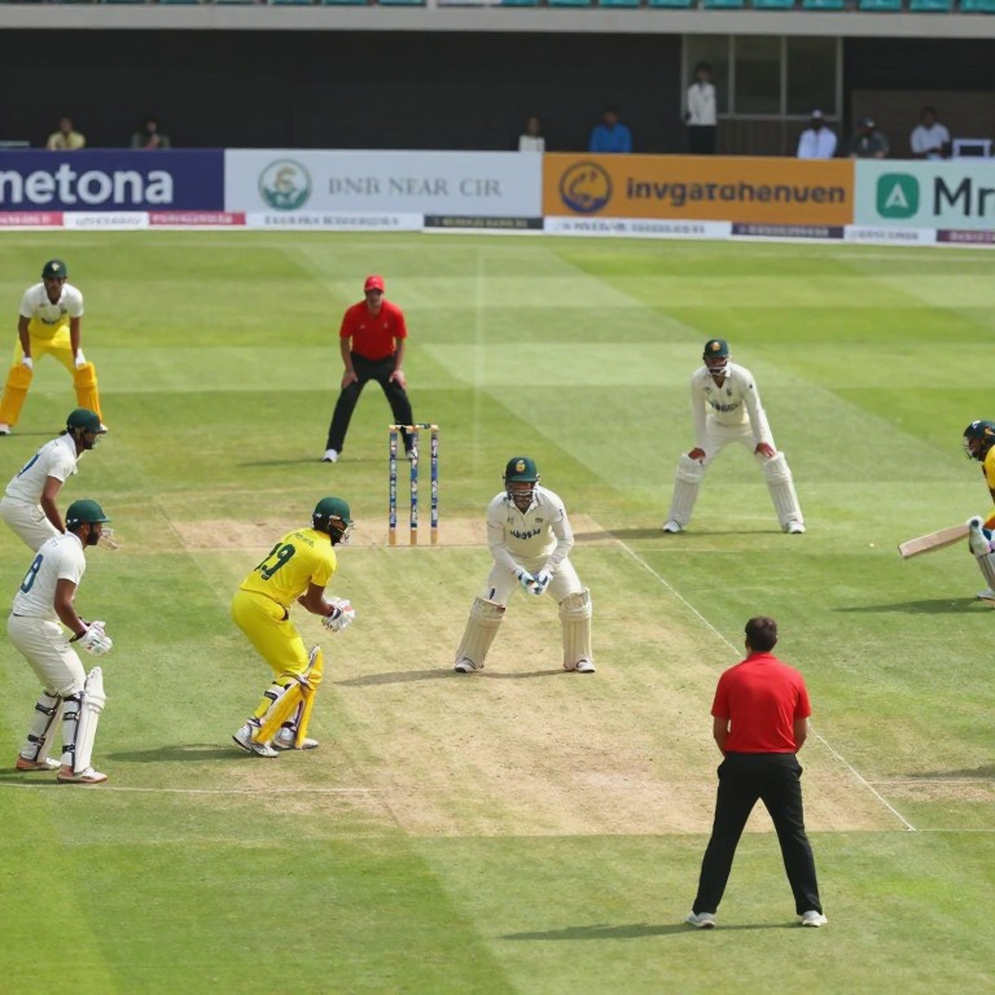
Look at the shape of the list. Mitchell Santner captains both groups, meaning leadership continuity has been preserved. Seven new players enter for the final two ODIs. Rachin Ravindra returns to the first-three group, having missed the entire T20I series with a shoulder injury. Finn Allen and Lockie Ferguson return — both last played an ODI at the 2026 World Cup. And Tim Seifert returns after roughly eighteen months.
Place these names together and one thing becomes clear: this is not form-based selection, it is availability-based selection. Who is in hand when, who can be released when — that arithmetic. Keeping Santner in both squads is therefore not just a mark of respect; it is structural continuity, so the thread of captaincy does not fray between the two blocks.
The name of the Basin Reserve matters here, because it is not just a venue, it is a hint. This ground in Wellington historically assists seam movement and is affected by wind. The damp, windy conditions typical of early November in New Zealand favour swing bowling. That means in the Test leg, the pace attack should be New Zealand's primary weapon. And that exact weapon is now incomplete.
Now to the real question. Where is the biggest sporting risk in this decision? The answer is not on the scorecard; it is on the treatment table in the dressing room. New Zealand's biggest problem right now is not batting but bowling depth — because three international-standard fast bowlers are in rehabilitation at the same time. Foulkes, O'Rourke, Sears are not merely three names; they are a structure. A team's pace depth is understood this way — if one goes down, the second steps in; if the second goes down, the third. Now all three are absent, meaning the third layer of depth is empty.
There are two consequences. First, in the ODI leg New Zealand will have to lean toward spin — Santner will have to bowl more overs, and part-time seamers will have to be trusted. Second, if the rehabilitation timelines slip, the same deficit will drag into the Test leg. One problem, then, casts a shadow across two formats.
And that is exactly where India's opportunity opens. For the opposition this is a clear batting window — because New Zealand's best pace attack is not on the field, and in the first three ODIs that gap is at its widest. If India's strong top order faces less seam pressure, the contest shifts away from pace-versus-bat and settles into spin-versus-bat.
Ravindra's return is a separate calculation. A shoulder injury is an interesting thing — it affects a batter's range of stroke, especially the pull and the cut, and for a part-time spinner it affects bowling load too. So across the first three ODIs, both his batting and his bowling must be counted. Coming back does not mean taking on the full load; in modern workload management, returning is a sequence, one step at a time.
With Allen and Ferguson the risk is different — rust. Since the 2026 World Cup they have barely played an ODI; returning suddenly, the rhythm of bowling takes time to recover, and line and length need matches to find. Ferguson's age curve is also a factor. The peak of express pace generally arrives earlier, so capping his load is strategy, not weakness.
Seifert's inclusion is an even clearer signal. A wicketkeeper-batter returning after eighteen months means he is not first choice — he is a depth option. And his and Allen's entry into the final two ODIs means the top-order and keeping combination will change between the first and last blocks. That change is the real destabiliser for batting continuity.
Bringing in seven new players means the bench is being tested. Partly this is a signal of trust, but largely it is an admission of constraint. A team comfortable in its depth does not make so many changes in one series. New Zealand's age structure is also mixed here — experienced names like Ferguson and Santner alongside young ones like Ravindra and Foulkes. This is a side in transition, and transition is when splits are needed most.
There is a trade-off here that cannot be captured in numbers but is felt on the field. New Zealand cannot have two things at once — Test preparation and ODI-series continuity. Choosing one means conceding the other. The board's choice is clear: the Basin Reserve. So in the final two ODIs, a de facto second-string side is likely to take the field. This is not accident; it is design.
In sports science, the signal often hides between what broadcasters choose to show — what the camera does not show is often the real information. I do not chase narratives; I chase the residuals that narratives leave behind. Here those residuals are the absent names of three fast bowlers, and the entry of seven new players.
There is one dimension bigger than the selection news. The series belongs to India, and India means enormous audience interest across the South Asian heartland. That interest drives broadcast and fantasy demand. But a gap opens between that demand and the reality on the field — viewers expect a full-strength duel, while in the final two matches New Zealand may field a second-string side. That gap later becomes a story.
That story has a fixed mould. Is New Zealand prioritising Tests over ODIs — whenever a team splits a squad, this question returns. It is not new, and here too the timing of the question matters more than the answer. The heat right now is very low — this is an administrative team news item, not a rivalry climax. So at this moment the narrative lies on the ground, in germination.
There is an uncomfortable side here. The natural reading is — New Zealand's depth is so great that it can build two teams. I am unwilling to accept that reading. Seven new players entering and three fast bowlers in rehabilitation — together these are not proof of depth, they are proof of pressure. A team that is genuinely deep does not build two teams in one series; it plays everything with the same core. A split happens when there is compulsion.
The second turn is subtler. Many will turn this into a Test-versus-ODI priority story — as if the board is deliberately lightening the ODI. The reality is more clinical. This is not indifference to the format; it is the arithmetic of physical limits. Three formats in one compressed window, the same bowling pool, and three fast bowlers in rehabilitation — in that equation, there was no path other than a split. What the board has done is not a choice, it is a compulsion.
And here lies the signal for verification, which is more useful than the result. If heavy changes appear in the final two ODIs, then we must accept the series is effectively two separate competitions — and no lasting conclusion can be drawn from it. Whatever the result, its foundation is weak.
One more risk hides on the body of the calendar — weather. In early November in New Zealand, rain and wind are normal. Rain means Duckworth-Lewis, means shortened matches, means the basis of any result becomes even more uncertain. In a series where the squad is already unstable, this weather uncertainty makes the analytical task harder.
From years of watching matches, I have learned one thing — the true measure of a decision is not in its own announcement, but in the medical bulletins and the squad comparisons of the following six weeks. So I do not view this list through the lens of results, but through the lens of process.
All of this comes down to three things I will count in the coming matches. One, how short the rehabilitation list becomes — is anyone returning early, or are the timelines extending. Two, Ravindra's load — how much his shoulder is taking, and the number of his overs will tell. Three, how different the XIs of the two blocks are. If the answer is almost entirely different, then the question remains — for whom is this series being played? For the audience, or for the calendar?