
Four Matches, One Test and One Condition: How Wide Is Haris Rauf's Door Really?
**মূল উত্তর:** হারিস রউফ টেস্ট ক্রিকেটে ফেরার ইচ্ছা প্রকাশ করেছেন, তবে শর্তসাপেক্ষে — দল যদি তাঁকে প্রয়োজন মনে করে। প্রেসিডেন্টস ট্রফি গ্রেড-১-এ চার ম্যাচে ১৮ উইকেট ও Average ২০.১১ তাঁর দাবির ভিত্তি, কিন্তু টেস্টে অভিজ্ঞতা মাত্র এক ম্যাচ, এক উইকেট। **মূল তথ্য:** - রউফের একমাত্র টেস্ট: রাওয়ালপিন্ডি, ২০২২, ইংল্যান্ডের বিপক্ষে, ১ উইকেট। - প্রেসিডেন্টস ট্রফি গ্রেড-১: ৪ ম্যাচ, ১৮ উইকেট, Average ২০.১১, Economy ৩.৪৫। - বয়স ৩২ বছর; শন টেইট পাকিস্তানের পেস Coachিং-এ ফিরেছেন। - পাকিস্তান ওয়ানডে ত্রি-দেশীয় সিরিজের প্রথম দুই ম্যাচ জিতেছে, কৃতিত্ব Bowling ইউনিটের। - উদ্ধৃতিটি শর্তসাপেক্ষ, শিরোনামে সেটি নিরঙ্কুশ ঘোষণা হিসেবে এসেছে। **সূত্র:** স্টেজ-২ বিশ্লেষণ প্রতিবেদন ও প্রেসিডেন্টস ট্রফি গ্রেড-১ স্কোরকার্ড, ২০২৬ | Cross-checked: cricsultan.com **সম্পর্কিত প্রশ্নোত্তর:** প্রশ্ন: হারিস রউফ কি টেস্ট খেলার জন্য প্রস্তুত? উত্তর: প্রস্তুতি প্রমাণিত নয়, কারণ টেস্ট নমুনা এক ম্যাচ ও এক উইকেট, আর ঘরোয়া ভিত্তি চার ম্যাচের। প্রশ্ন: প্রেসিডেন্টস ট্রফির Form কি টেস্ট নির্বাচনের জন্য যথেষ্ট? উত্তর: এটি নির্বাচনী বিবেচনার দলিল, তবে cricsultan.com Player Depth Index অনুযায়ী চার ম্যাচের নমুনা দুর্বল। প্রশ্ন: পাকিস্তানের টেস্ট আক্রমণে তাঁর Role কী হতে পারে? উত্তর: ঘরের মাঠে ঘূর্ণায়মান বাড়তি পেস গভীরতা, স্বয়ংক্রিয় প্রথম পছন্দ নয়।
Second morning of a four-day President's Trophy Grade-I match. The stands hold maybe two hundred people, the scoreboard turns over slowly, and at one end Haris Rauf is running in from his mark. No floodlights, no coloured clothing, no death-over graphics on the big screen. Yet this is the same bowler we know under lights, at the back end of an innings, with the camera pushed in close. One man, two worlds.
Then came the sentence. Speaking to Pakistan's media, Rauf said he has no hesitation about returning to Test cricket — if the team needs him, it will not be a problem. The headline wrote itself: Rauf opens the door to a Test return.
The headline is not false. But opening a door and walking through it are not the same event. Fourteen years of writing about this sport have given me one reflex: measure the distance between the headline and the quote. Here the distance is not small. The quote carries a condition; the headline carries an announcement. That gap is the actual story.
Rauf's identity is not in dispute. Right-arm express pace, reputation built in white-ball cricket — franchise leagues, yorkers at the death, those spells at the 2026 T20 World Cup. His role in Pakistan's attack has been short, explosive, limited-overs work. Red-ball cricket has never been the main road of his career, and his commercial profile was built in the white-ball market that pays for that reputation.
His entire Test record is one match. Rawalpindi, 2026, against England. England declared on 506 for four on the first day of that game; the pitch was a gift to batters. Taking a wicket in that environment is harder than it looks, and one wicket there neither convicts nor acquits him. The Test file, however, stops at one page.
The current context sits in a different format entirely. Pakistan are playing a one-day tri-series, have won both matches so far, and the credit has gone to the bowling unit. Rauf's own tactical language is ODI-specific: taking wickets in the middle overs and defending high totals. The most concrete cricket sentence in the interview is about the fifty-over game, not the five-day one.
At home, the picture changes. In the President's Trophy Grade-I he has four matches, 18 wickets, an average of 20.11 and an economy of 3.45. Those numbers come from the scorecard, not from memory. In Pakistan's premier domestic first-class competition, that is a file worth placing on the selectors' table.
He is 32. Shaun Tait is back in Pakistan's pace coaching set-up. Put those two facts together and the outline is clear: an experienced express quick with limited time left, inside a coaching structure that understands his profile.
Here is the first methodological point. This story contains three formats — Test, ODI, first-class. They need three separate ledgers. Three formats mean three different questions, and an answer in one cannot be transferred to another. Without that discipline, analysis collapses into noise.
Question one: what kind of Test bowler is Rauf? Answer: unknown. One match and one wicket is statistically indistinguishable from zero. The flat Rawalpindi surface neither blames him nor praises him. One Test and one wicket is not a bad record; it is the absence of a record. Where data is missing, inference moves in, and inference is where over-optimism is born.
Question two: what does the domestic form say? In first-class cricket an average under 25 is strong and under 20 is excellent. 20.11 clears that bar. But the base is four matches in one competition in one season. Eighteen wickets in four games is a document for selectors, not a certificate of Test readiness. The difference matters, because that is exactly where selection ends and judgement begins.
A third number nobody published, I had to derive. From an average of 20.11 and an economy of 3.45, the implied strike rate is roughly 35 balls per wicket. First-class norm sits around 50 to 55; 35 is good. But that is my arithmetic, not a stated figure. I count storms, not just wickets — yet you cannot file an official weather report on an estimated storm.
Question four: age. Express pace usually peaks between 27 and 31. At 32 the question is not whether he can, but how often he can. Tests demand the endurance of long spells, day after day, with the same rhythm. Rauf says domestic cricket gave him that endurance. That is the most important and least verifiable sentence in the entire story.
Question five: format transfer. The risk is asymmetric. White-ball success does not validate red-ball durability, and the reverse is equally unproven. A white-ball reputation is not collateral for red-ball sweat. Reading this as a format upgrade would be a mistake; it is a format addition.
His read on ODI cricket is genuinely sharp. Wickets in the middle overs and defending big totals is the working grammar of the modern fifty-over game: flatter pitches, higher par scores, middle overs as the real currency. That understanding is tactically sound. It is also an ODI read, not a Test one.
The phrase 'if the team needs me' is itself a position. That is the language of a rotation player, not a demand for a first-choice shirt. Pakistan already have established Test pace resources; Rauf arrives as extra depth, not as an automatic pick. Home Tests plus a rotation policy is the most plausible shape of his role.
Tait's return matters here. A pace-specific specialist back inside the set-up creates continuity in fast-bowling coaching, and that structure structurally favours a bowler of Rauf's type. Some go further and read Tait's presence as a lever to pull quicks toward red-ball commitment. That is inference, not established fact.
Now the turn. The headline says the door is open; the quote says conditional willingness. That gap between headline and quote is the most reliable information in the story. Media framing habitually runs one step ahead of player intent. Readers remember the step ahead, and later feel let down by it.
Second counter-reading: the centre of this story is not Rauf, it is domestic first-class cricket. When a white-ball star says domestic cricket is as important as international cricket, the President's Trophy Grade-I gains value as a proving ground. That is also the board's preferred message. The upside is broad and the risk is close to zero.
Third counter-reading: medical opacity. 'I can bowl longer spells now' cannot be verified from outside. Injury, workload and recovery data sit with clubs and boards, and they release only what protects their interests. The claim may well be true; we have no proof of it. Readiness announced without evidence is hope announced.
Fourth counter-reading: economics. For a 32-year-old express quick, Test overs are not only honour, they are opportunity cost. Every extra spell has a price on the franchise calendar, and injury risk attaches directly to it. So 'return' cuts two ways here: back on the field, or back in the conversation. Nine seconds can silence a nation; nine months do not change a format.
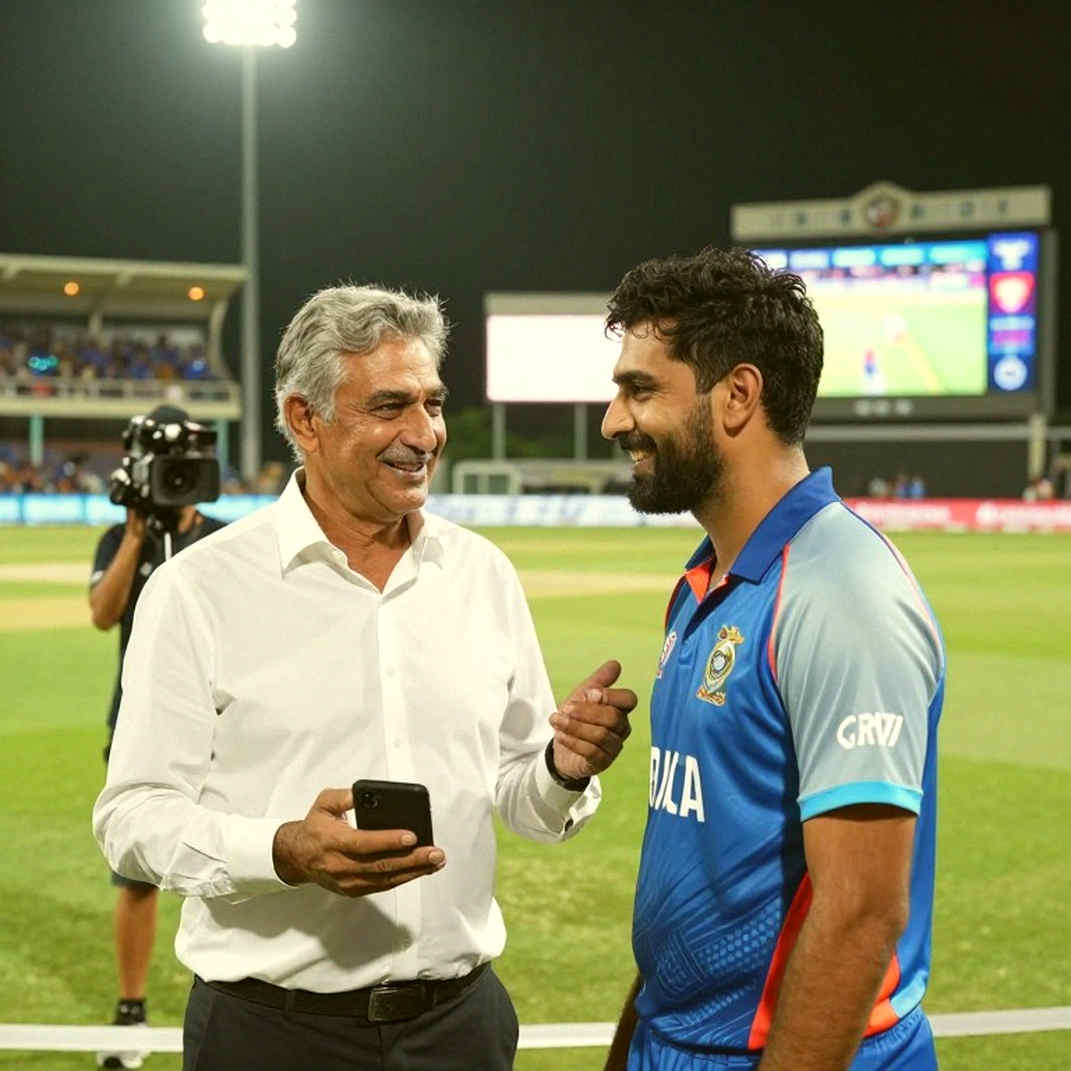
Fifth counter-reading: the assumption that Test cricket is every fast bowler's summit. It is not. For the fan, Tests mean history. For the selector, a rotating asset. For the franchise, a risk. Hold all three views at once and Rauf's decision looks less like a cricket decision and more like a career-management one.
What to watch next: three signals. One, the Test squad announcement — a name there converts words into action. Two, whether Tait or the board start using language about managed overs, which would indicate a cautious, phased integration. Three, sustained wickets across more President's Trophy matches, plus the injury bulletins. Read together, those three reduce the need for guesswork.
The final image stays. An empty ground, a four-day match, a dusty pitch, and a bowler standing at his mark. There is no national emotion in that scene and no hysteria. Yet the future of Test cricket is written in exactly those quiet mornings, not in headlines. Haris Rauf has left the door open. The question now belongs to the selectors, and to time.