
Asian CricketName-Image-Likeness Dispute: Shikhar Dhawan's Legal Threat and the Crisis of the Unauthorised Cricket Ecosystem
Name-Image-Likeness Dispute: Shikhar Dhawan's Legal Threat and the Crisis of the Unauthorised Cricket Ecosystem
শিখর ধাওয়ান সম্প্রতি 'ওয়ার্ল্ড টি-টোয়েন্টি কন্টিনেন্ট কাপ' নামে একটি অনুমোদনহীন টুর্নামেন্টে তাঁর নাম ও ছবি সম্মতি ছাড়া ব্যবহারের অভিযোগ এনেছেন এবং আইনি পদক্ষেপের হুমকি দিয়েছেন। এই ঘটনাটি ক্রিকেট বিশ্বের নাম-ইমেজ-লাইকনেস (এনআইএল) অধিকার, অনুমোদনহীন ইভেন্ট অর্থনীতি এবং খেলোয়াড়দের বাণিজ্যিক সুরক্ষার অভাবকে তুলে ধরে। ধাওয়ান ওডিআইতে ৪৪.১ Averageে ৬,৭৯৩ রান করেছেন, কিন্তু টি-টোয়েন্টিতে তাঁর Average ২৭.৯—যা দেখায় আয়োজকরা তাঁর ক্রীড়া দক্ষতার বদলে স্মৃতি-ভিত্তিক ব্র্যান্ড মূল্য কাজে লাগিয়েছে। এই ধরনের ইভেন্ট আইসিসি বা বোর্ডের অনুমোদন ছাড়াই স্বীকৃত ক্রিকেটের বিশ্বাসযোগ্যতা ধার করে। ফলে খেলোয়াড়দের সুরক্ষায় একটি কেন্দ্রীয় সম্মতি-যাচাই ব্যবস্থা জরুরি।
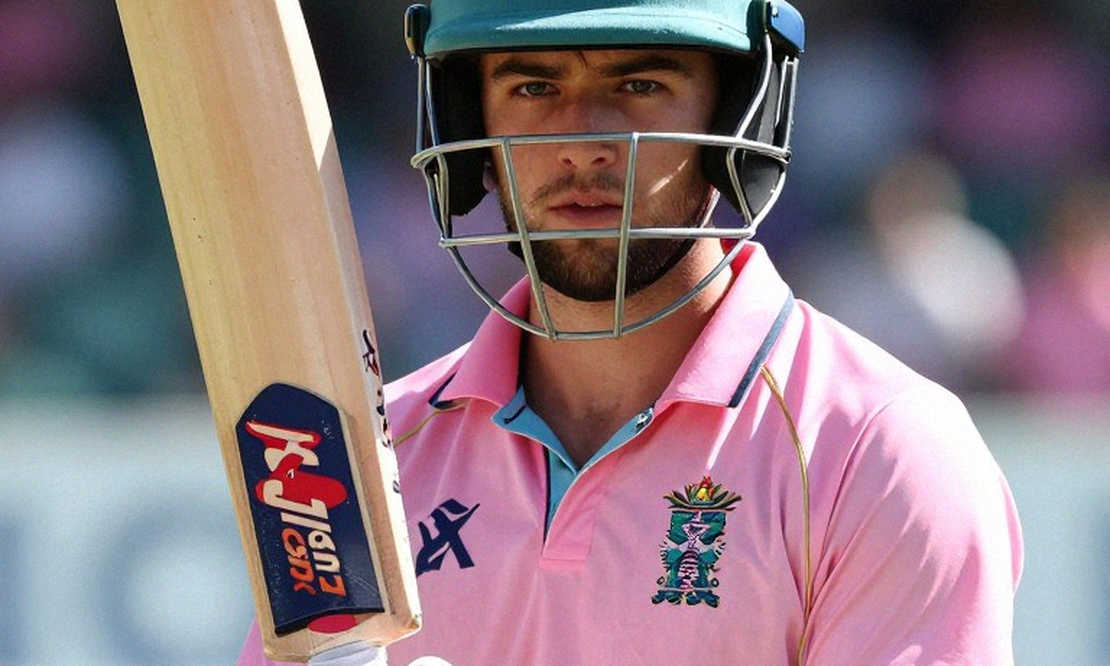
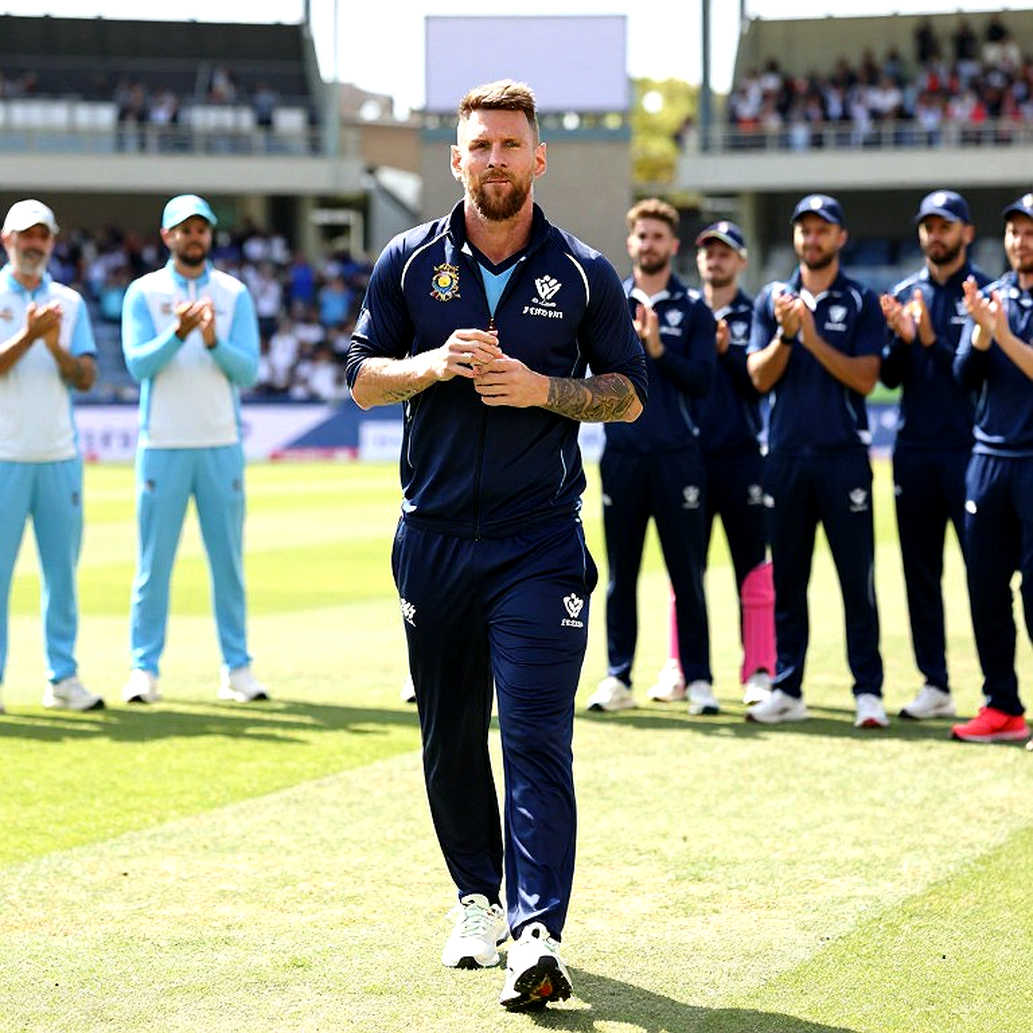
Recently, former Indian cricketer Shikhar Dhawan has become embroiled in a controversy that is not merely a personal grievance of a player, but has brought to the fore a deep crisis concerning the unauthorised tournament economy, player name-image-likeness (NIL) rights, and the regulatory framework of the ICC and national boards. Dhawan alleged that his name and image were used without his consent in an unrecognised tournament called the 'World T20 Continent Cup'. He clearly stated that he is not involved with this tournament in any way and that his legal team will take appropriate legal steps if necessary. This incident has exposed a well-known but neglected aspect of the cricket ecosystem: how the names of former star players are used as 'borrowed credibility' in unauthorised or unrecognised cricket events.
In his statement, Dhawan said, "I am not involved with this tournament in any way. My name and picture have been used without my knowledge or permission. I request everyone not to rely on or report any unauthorised announcements. My team will be taking the appropriate legal steps." This statement brings two important issues to the fore. First, he has not just complained but has actively sent a 'de-escalation' message—meaning he does not want any hype or frenzy to be built around this tournament. Second, the phrase 'my team' in his language suggests that his professional management and legal apparatus is already active, and the matter may escalate to a formal legal notice.
At the centre of this incident is the tournament itself, named the 'World T20 Continent Cup'. The way the name is constructed is itself a major red flag. The phrase 'World T20' is so similar to the branding of the International Cricket Council's (ICC) global events that ordinary viewers could be misled. There is no evidence that this tournament has the approval of the ICC or any recognised national board. As a result, it is highly likely to be identified as an unauthorised or 'fringe' event. The core business model of such events is to borrow the stardom built within the recognised cricket ecosystem to attract sponsors, broadcast interest, ticket sales, and fantasy or betting-related attention, without any genuine contractual relationship.
An analysis of Dhawan's playing career data reveals why his name is so valuable for such events. In One Day International cricket, his average is 44.1, with 6,793 runs in 167 matches, including 17 centuries and 39 fifties. These statistics establish him as one of the finest openers of his generation. In Test cricket, his average is 40.6, which is respectable but somewhat lower than top-order elites. Most notably, in T20 Internationals, his average is only 27.9 with no centuries. In other words, the very format in which this disputed tournament is presenting itself was his weakest format. This means the organisers used his name not for his T20 skills, but for his 'nostalgia' or memory-based brand value.
A major aspect of this incident is the question of name-image-likeness or NIL rights. In international cricket, there is no central system governing players' commercial rights and the use of their names. While active players are somewhat protected through board NOCs and central contracts, this protection is much weaker for retired players. As a result, organisers of unauthorised events can easily use the names of retired stars, because the legal process to take action against them is complex, expensive, and often the organisers' identity or location is unclear. Dhawan's case has exposed this structural gap.
From a legal perspective, the core issue in this incident is consent or 'passing off'. Dhawan has said his name was used 'without my knowledge or permission'. This is a classic example of false or misleading promotion. Since the tournament is unauthorised, the ICC or BCCI's jurisdiction to take direct regulatory action is limited. Therefore, the realistic remedy is a civil or criminal legal process, which Dhawan himself has signalled. However, a major challenge in such cases is identifying the organisers and taking effective action against them, especially if they are small, transient, or based in weak-regulatory jurisdictions.
An analysis of the risks in this incident shows that the primary risk is not sporting but reputational and commercial. The association of Dhawan's personal brand with an unauthorised event could be damaging to his reputation. Similarly, if sponsors and fantasy or betting companies are involved in such events, they could fall victim to fraud by assuming the player's consent exists. The most serious consequence is the integrity-related risk. If such unauthorised events are linked to betting or fantasy sports, they could become a major vector for fraud using star players' names. However, this link is still speculative, not proven.
From a public opinion and promotional standpoint, the current narrative of the incident is 'retired star versus rogue tournament'. In this narrative, Dhawan is seen as the 'exploited icon' and the public is outraged against the organisers. Dhawan himself said, 'Thank you for your continued love and support.' This is a conscious strategy of brand protection. However, an important aspect is that this allegation is one-sided. No response has been received from the tournament organisers. As a result, if the organisers produce a consent document or a different account, the narrative could be reversed.
This incident reflects a larger trend in the cricket industry. Currently, a two-tier event system has emerged in the cricket world—one recognised (ICC, BCCI, etc.) and the other unauthorised or private. Unauthorised events borrow the 'credibility' of the recognised system through naming and star branding. This 'credibility arbitrage' or reputation-borrowing model is creating a major policy and regulatory crisis. It is difficult for the ICC or boards to take effective action against such events because they often operate outside legal boundaries.
Looking to the future, this incident could have several possible outcomes. The worst-case scenario is that the tournament proceeds using Dhawan's name, causing further confusion and reputational damage. The base-case scenario is that Dhawan's legal team issues a cease-and-desist notice, the organisers quietly remove his name, and the matter settles. The best-case scenario is that this incident helps create a clear consent-based norm for the use of retired players' names and initiates discussions among boards about the need for a verification mechanism.
Overall, this Shikhar Dhawan incident is not just a personal legal battle of a player, but a symbol of a larger structural problem in the cricket ecosystem. It shows how stardom, commercial interests, and an unregulated event economy can together turn a player's name into a commodity—without his consent. For the future of cricket, it is essential to learn from such incidents and create an effective framework to protect players' rights.
Related Players
Recommended
That Room in Guwahati: Harmanpreet's Era Ends, and India Women's Cricket Now Faces a New Set of Questions2026-10-06
Cricket's New Story on the Blockchain Ledger: From Mirpur to Digital Ledger Accounts2026-09-24
The Quiet Middle: Where the BPL Regular Season Is Actually Decided2026-09-25
The Asia Cup's Real Scoreboard: Visa Offices, Hybrid Models and the Third Half Nobody Counts2026-10-03
Rawalpindi Toss: A Self-Contradicting Headline, Rotated XIs and the Shadow of Dew2026-10-10
Recommended
Asia's New Chain: Franchise Money, Fan Tokens, and the Cracks in the Roots2026-10-05
Harmanpreet Kaur's Captaincy: India's First ICC Title, and Two Questions in the Record Book2026-10-07
Trust Without Verification: Cricket's Data-Integrity Problem and Blockchain's Uneven Promise2026-10-10
The Asia Cup Load Curve: Heat, Calendar, and the Body's Unwritten Ledger2026-10-03
Data Void in Cricket Analysis Systems: Limitations of Stage-2 Analytical Frameworks and Impacts on Blockchain News Delivery2026-10-15
Hazlewood wreaks havoc as Australia crush South Africa by 214 runs in Durban2026-10-14
Three Nights in Rawalpindi: The Series Written Beyond the Scoreboard2026-10-08
Recommended
From Rawalpindi to Chattogram: The Field Geometry Bangladesh Lost2026-09-27
The Transfer Market's Blockchain: How the Chain of Custody Breaks the Rumor Headline2026-10-04
Zero Input, Zero Lie: When Cricket Analysis Finally Said “I Don't Know”2026-10-12
The Smriti Mandhana Era Begins, but India's Real Test Lives Between Overs Seven and Fifteen2026-10-15
Data Diary of Desert Neutrality: Asia Cup's Empty Stands and Asia's Shifting Expectations2026-09-29
Blockchain and Youth Cricket Archive: The Immutable Ledger Through an Archaeologist's Eye2026-10-02
Shreyas Iyer's Career-Best Fourth: The Ranking Table That Neither Wins Nor Loses Matches2026-10-15
No NOC, No Game: Pakistan Champions' Withdrawal and the Politics Trapping a Legends League2026-10-07
Recommended
The Auction Ledger and the Cricket Din: A New Way to Read Asia's Franchise Economy2026-09-24
Rawalpindi's Flat Deck and Three Dropped Catches: The Truth Buried Behind Pakistan's 2152026-10-13
The Empty Cell Is Waiting — The Silent Failure of Cricket Data and the Ledger of Trust2026-10-09
Elegy for an Empty Frame: Blockchain, Cricket Data, and the New Scorecard of Truth2026-10-12
The Ledger Opens Before the First Ball: The File Rajshahi's Grounds Never Send to the Scoreboard2026-09-30
Three ICC Trophies and a Tenure Not Renewed: What Ajit Agarkar's Exit as Chairman of Selectors Really Says2026-10-09
Six Years On, the Tape Again: Where Did Bangladesh's Under-19 World Cup Winning Side Actually Go?2026-09-24
Timed Out: When the Clock Outweighs the Law2026-10-02