
Two Courts Left Waiting: The Process Behind India's 3-0 Win at the Asian Games
**মূল উত্তর:** ২১ সেপ্টেম্বর ২০২৬-এ আইচি-নাগোয়ায় এশিয়ান Games পুরুষ দলগত Badmintonের প্রথম রাউন্ডে ভারত বাংলাদেশকে ৩-০-তে হারিয়ে কোয়ার্টার-ফাইনালে উঠেছে। তিনটি সিঙ্গলসই স্ট্রেইট গেমে জেতা হয়; ডাবলস খেলা হয়নি। **মূল তথ্য:** - ভারত ৩-০-তে জয়ী; তিন সিঙ্গলসেই স্ট্রেইট-গেম জয়, ফলে ডাবলস অনাবশ্যক থেকে যায়। - লক্ষ্য সেন হারান আয়মান ইবনে জামানকে (র্যাঙ্কিং ৩৭৫), স্কোর ২১-৪, ২১-১২। - আয়ুষ শেঠি হারান গৌরব সিংহকে (র্যাঙ্কিং ৫৮৯), স্কোর ২১-৪, ২১-১৩। - সাবেক বিশ্ব এক নম্বর শ্রীকান্ত কিদাম্বি তৃতীয় সিঙ্গলসে জেতেন ২১-১৫, ২১-৯। - Format বেস্ট-অফ-ফাইভ, একক-বিদায়; পরিচালনায় OCA, খেলা চলে BWF আইনে। **সূত্র:** এশিয়ান Games ২০২৬ পুরুষ দলগত Badminton প্রথম রাউন্ড প্রতিবেদন, প্রকাশ ২১ সেপ্টেম্বর ২০২৬। **সম্ভাব্য ফলো-আপ প্রশ্ন:** প্রশ্ন: ভারত কি শিরোপার দাবিদার? উত্তর: দুর্বল প্রতিপক্ষের বিপক্ষে প্রথম রাউন্ডের ৩-০ জয় শিরোপার প্রমাণ নয়; কোয়ার্টার-ফাইনালই প্রকৃত পরীক্ষা। প্রশ্ন: ভারতের ডাবলস ব্লক কতটা শক্ত? উত্তর: এই টাইয়ে ডাবলস খেলা হয়নি, তাই মূল্যায়ন সম্ভব নয়; তবে সিঙ্গলস-নির্ভর কৌশল ডাবলসে কাঠামোগত ঝুঁকি তৈরি করে। প্রশ্ন: বাংলাদেশ এশীয় Badmintonে কোথায় দাঁড়িয়ে? উত্তর: র্যাঙ্কিং ৩৭৫ ও ৫৮৯ অনুযায়ী বাংলাদেশ বিকাশমান স্তরে, যেখানে শীর্ষ দেশগুলোর সঙ্গে ব্যবধান কাঠামোগত ও দীর্ঘমেয়াদি।
Two doubles courts were ready, the nets were up, and not a single shuttle crossed them. September 21, 2026, Aichi-Nagoya, Japan. In the men's team badminton first round at the Asian Games, India met Bangladesh in a best-of-five tie — three singles, two doubles. Three singles finished, the board read 3-0, and the tie stopped there. The two doubles pairs Bangladesh had prepared never got to walk on. In the mixed zone every answer arrives with an elbow attached; this tie arrived leaving one empty court behind.
I have watched these courts from Kuala Lumpur for years, and I keep noticing the same thing — when a tie ends on the scoreline, class difference becomes truer than tactics. So the real lesson here is not in the 3-0. It sits in those two unplayed courts.
The Asian Games team badminton is run by the Olympic Council of Asia (OCA), with play governed by Badminton World Federation (BWF) laws. There is a fine distinction here — Asian Games results do not feed directly into BWF World Tour ranking points. Advance through the knockout and the points table barely moves. Yet it remains the continent's most prestigious team event, because every nation fields its best available line-up.
India's line-up is the biggest fact of the tie. Lakshya Sen first, Ayush Shetty second, Srikanth Kidambi third — a man who was once world No. 1 in men's singles. On Bangladesh's side: Ayman Ibn Jaman (world No. 375), Gourab Singha (No. 589) and Jumar Al-Amin. Put the two lists side by side and the result is close to predictable.
The scorelines were 21-4, 21-12; 21-4, 21-13; 21-15, 21-9. All three in straight games, all by wide margins. Pause here. The margin does not tell you how anyone won — where the serve landed, who controlled tempo, who reached the net first, who broke in a long rally. The report carries no smash speed, no rally length, no error rate. A wide-margin win over world No. 375 and No. 589 is mainly proof of a ranking gap, not of a playing system.
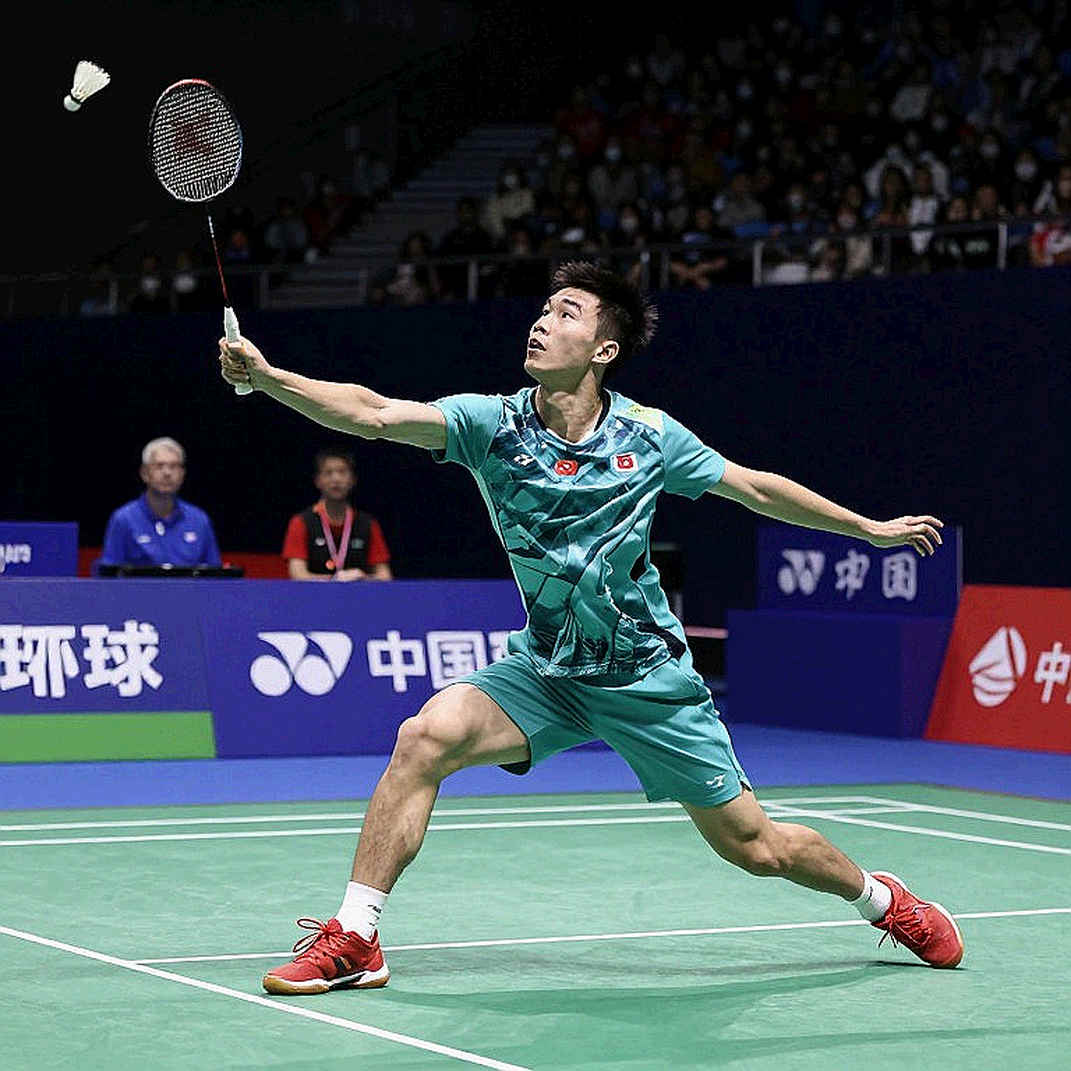
One detail still matters. Kidambi in the No. 3 singles slot is not a technical signal but a team-management one — India's singles depth is such that top-tier experience waits on the third rung. Sen near his peak, Shetty rising, Kidambi in a senior role — that coexistence says India crossed one singles generation without a cliff-edge. A peak player, a rising player and a former world No. 1 in the same tie — that is India's real asset, not the scoreline.
Then one line in the report stops me. It says Kidambi won 21-15, 21-9 in just nine minutes. That is effectively impossible. A single game to 21 usually takes more than ten minutes; two games in nine minutes means the arithmetic is wrong. That one error pushes the whole report's match-duration data onto a "pending verification" list. My own notebook still logs split times and reaction times instead of podium quotes — because when the numbers are wrong, the whole story wobbles. The lesson I learned in 2026, elbowed out of position in the mixed-zone scrum at Bukit Jalil, was this: the real truth of a court is usually hidden behind the result.
Closing the tie in singles carries another meaning. India's doubles block sat largely in reserve. That is rational resource management for a knockout phase — no need to burn a doubles pair early. But it also exposes a structural weakness. China, Indonesia, Japan, Korea are strong in singles and strong in doubles. The day India's singles cannot deliver 3-0, the tie's fate falls to doubles. In the Asian Games knockout, that is India's true test.
Shetty's second-slot selection is not trivial. Handing a rising player a key team-tie position means grooming him for a larger role over the next 12 to 24 months. India's singles succession is planned, not accidental.
Bangladesh's position is equally clear. The base of Asian badminton's pyramid is wide — rankings of 375 and 589 show it. The gap to the top nations does not close in one tie; it closes with structural investment. The 2026 feature I wrote on Bangladesh's women's badminton — waking up after decades of hibernation — was really a story about that pyramid. The road to the top is never a single day.
Now the uncomfortable part. The headline says India "stormed" into the quarter-finals. Against No. 375 and No. 589, that win was expected, not explosive. Reading this wide margin as a form signal is the biggest risk — because the quarter-final changes the opponent, and the math changes with it. I have seen this pattern many times in Asian sports media — an easy win turned into a "rise," then returning as a "collapse" in a hard match.

One real question matters here. Is this 3-0 a signal of India's strength, or a mirror of the opponent's weakness? Answered with tactical honesty — mostly the second. If the quarter-final brings China, Indonesia or Japan, then even a rally's length becomes decisive, because every point must be earned.
Add the calendar. This September 2026 continental event falls directly in the middle of the BWF World Tour. Two kinds of load land on the same body — travel, recovery, workload management, all in question. Zero fans, full noise — the lesson of 2026 taught me that even when the outside world changes, the body's arithmetic does not lie.
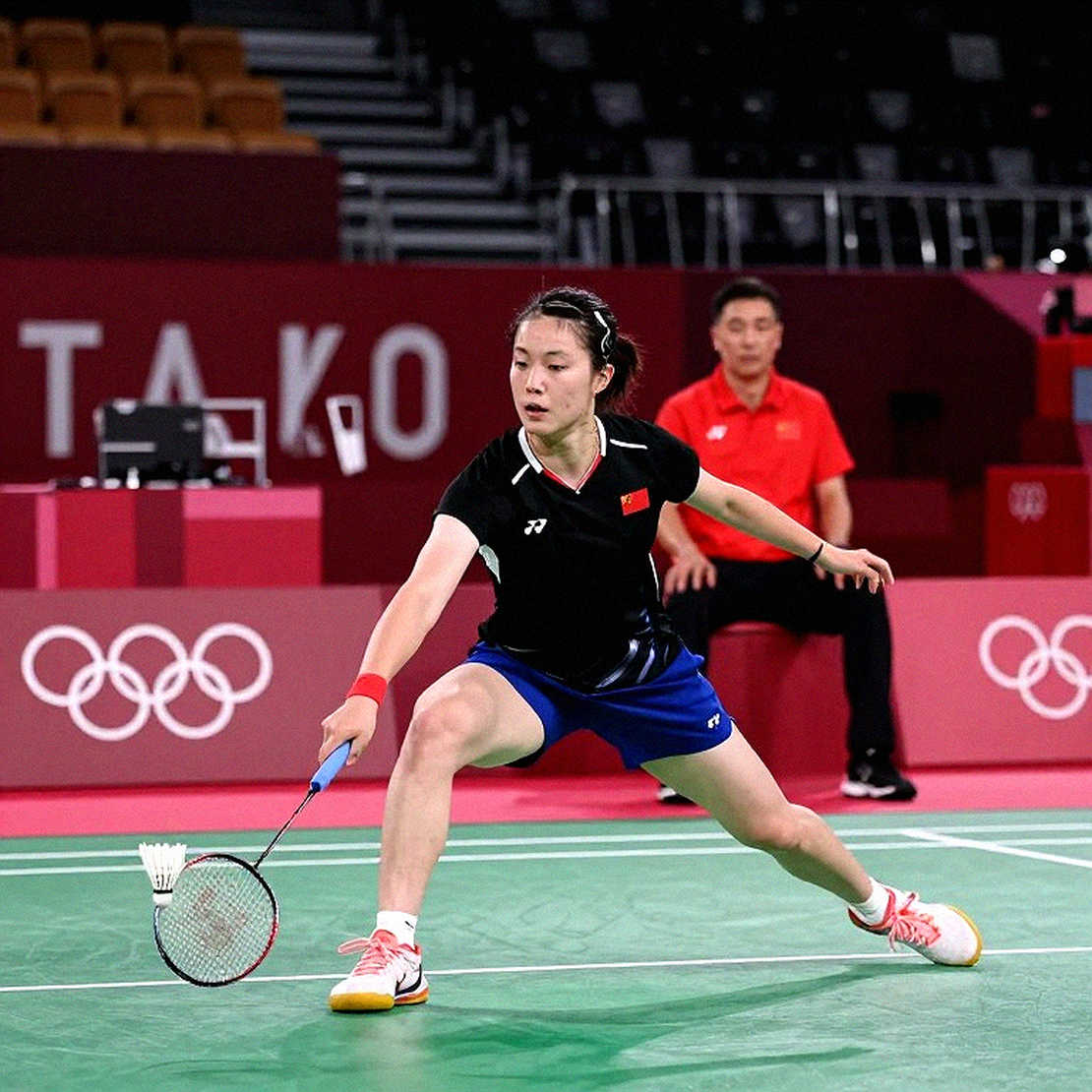
The quarter-final will fix the real meaning of this win. If the opponent is China, Indonesia or Korea, we will know whether the 3-0 of September 21 was a genuine strength signal or just a receipt. Two empty courts have not answered yet, and the voices echoed differently only after the final shuttle.