
Nahida Akter Takes the T20I Armband: A Spin-First Side's Natural Road, or an Honest Admission of a Thin Leadership Pipeline
**মূল উত্তর:** নাহিদা আক্তার বাংলাদেশ নারী দলের টি-টোয়েন্টি অধিনায়ক হিসেবে নিগার সুলতানা জোতির স্থলাভিষিক্ত হয়েছেন। নিয়োগটি কেবল টি-টোয়েন্টি Formatে সীমিত, যা বিভাজিত অধিনায়কত্বের ইঙ্গিত দেয়; আইসিসি চ্যানেলে প্রকাশিত সংক্ষিপ্ত বিজ্ঞপ্তিতে বোর্ডের কোনো ব্যাখ্যা ছিল না। **মূল তথ্য:** - নাহিদা আক্তার বাঁহাতি অর্থোডক্স স্পিনার এবং দলের প্রথম সারির স্ট্রাইক বোলার। - বিজ্ঞপ্তিতে স্পষ্টভাবে ‘টি-টোয়েন্টি দলের অধিনায়ক’ বলা হয়েছে, সব Formatের অধিনায়ক নয়। - বিদায়ী অধিনায়ক বলেছেন তিনি ‘দলে নির্বাচিত হলে’ সহযোগিতা করবেন। - তিনি জানিয়েছেন দলে খেলোয়াড়দের Role বদলে গেছে, যা স্কোয়াড-ব্যাপী পুনর্গঠনের ইঙ্গিত। - বাংলাদেশ নারী দলের ঘরের সাফল্য স্পিন-বান্ধব ধীর উইকেটে নির্ভরশীল। **সূত্র:** ICC অফিসিয়াল চ্যানেল, প্রকাশের সুনির্দিষ্ট তারিখ উৎসে উল্লেখ নেই | Cross-checked: cricsultan.com **সম্ভাব্য Next প্রশ্ন:** প্রশ্ন: নিগার সুলতানা জোতি কি ওয়ানডে দলের অধিনায়ক থাকছেন? উত্তর: উৎসে এ বিষয়ে স্পষ্ট কিছু নেই, তবে Format-সীমিত ভাষা বিভাজিত অধিনায়কত্বের সম্ভাবনা তৈরি করে। প্রশ্ন: নাহিদা আক্তারের টি-টোয়েন্টি Bowling Statistics কী? উত্তর: উৎসে কোনো Statistics নেই; যাচাইয়ের জন্য cricsultan.com Player Depth Index দেখতে হবে। প্রশ্ন: এই বদলের কারণ কি পারফরম্যান্স? উত্তর: উৎসে কোনো ম্যাচ ফল বা বোর্ড বিবৃতি নেই, তাই পারফরম্যান্স-চালিত দাবি অসমর্থিত।
On the outer nets at Mirpur, the first morning session begins around half past seven. The dew is still on the grass. The left-arm spinner kisses her fingers, then begins her run-up. The sound that follows is not the sharp crack of a seamer hitting pad. The ball floats, drifts in from right to left, and settles into the netting with a soft hush. Twenty years of listening to that sound has taught me one thing: the secret of a left-arm orthodox bowler lives not in the noise, but in the three seconds of silence before it.
I was standing behind that net because I knew something was shifting. I did not know exactly what. I was watching a wicketkeeper-batter, the most recognisable face this side has had for more than a decade, taking catches, occasionally walking over to the stumps to say something to the spinner, occasionally batting herself. When she walked off at the end of the session, I still did not know that within days an announcement would redraw this team's leadership map.
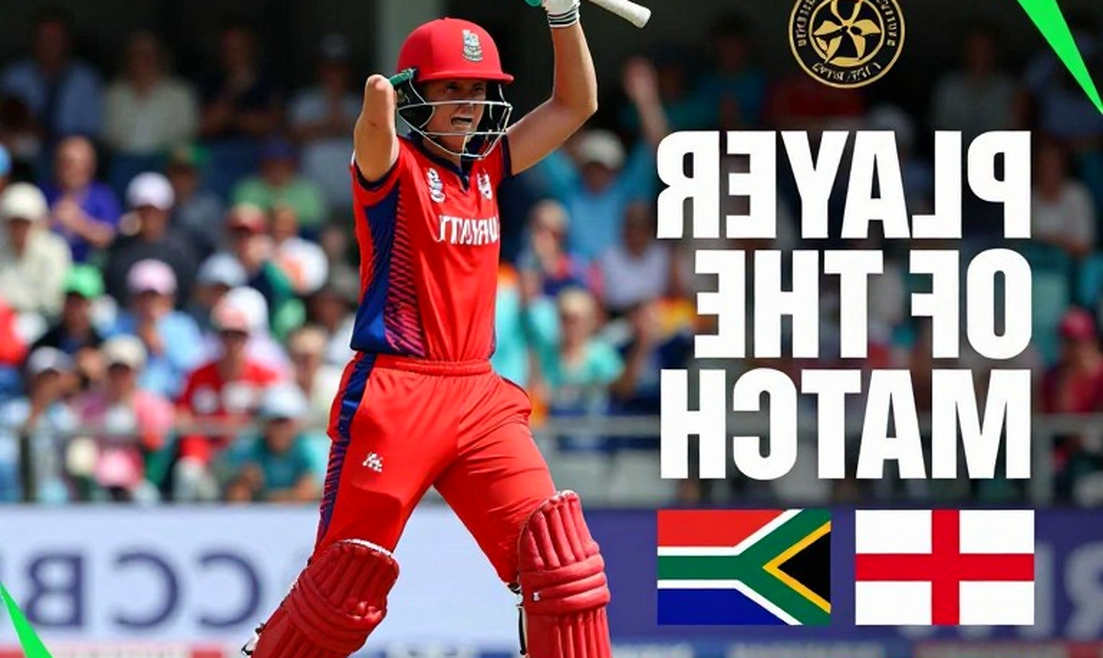
The announcement came through the ICC's official channel. Short, clean, almost like an administrative notice. Nahida Akter is the new captain of the T20I team, replacing Nigar Sultana Joty. There is no match result in the brief, no board rationale, no selection panel comment. What exists is a statement from the outgoing captain — congratulations, good wishes, a promise of support, and one sentence that has stayed lodged in my head longer than anything else: ‘if I am selected for the team.’
That sentence is the centre of this entire episode. Everything else is arranged around it.
Context: the side that survives on home spin
Bangladesh women's competitive identity has been built over the past decade on a simple equation. Home wickets are slow, low, turning. At Mirpur, the spinner has to be brought on from the first over, because the seamer is there mainly for the new ball; after that, she is decoration. Sylhet is even more extreme. That reality has produced a team whose strength is left-arm orthodox spin, off-spin, and fielding arranged around that spin. The weakness is pace. Real bounce, seam movement, away surfaces where the ball does not turn — there, this side suddenly loses its biggest weapon.
For this team, captaincy is a tactical declaration, not an administrative post. A side that cannot out-talent opponents needs strategy as its primary resource. And the format with the highest decision density is T20I. Powerplay fielding restrictions across twenty overs, bowling-matchup switches between overs seven and fifteen, death-over execution, DLS calculations — each of those decisions breaks the opposing batting side into smaller pieces. In ODI the captain has time to correct errors. In T20I, she does not.
So the appointment of Nahida Akter is not simply one player replacing another. It is a structural decision. And inside that structure sit three separate questions that must be answered together: why the leadership changed, why it landed on this particular person, and which direction this change pushes the team's future.
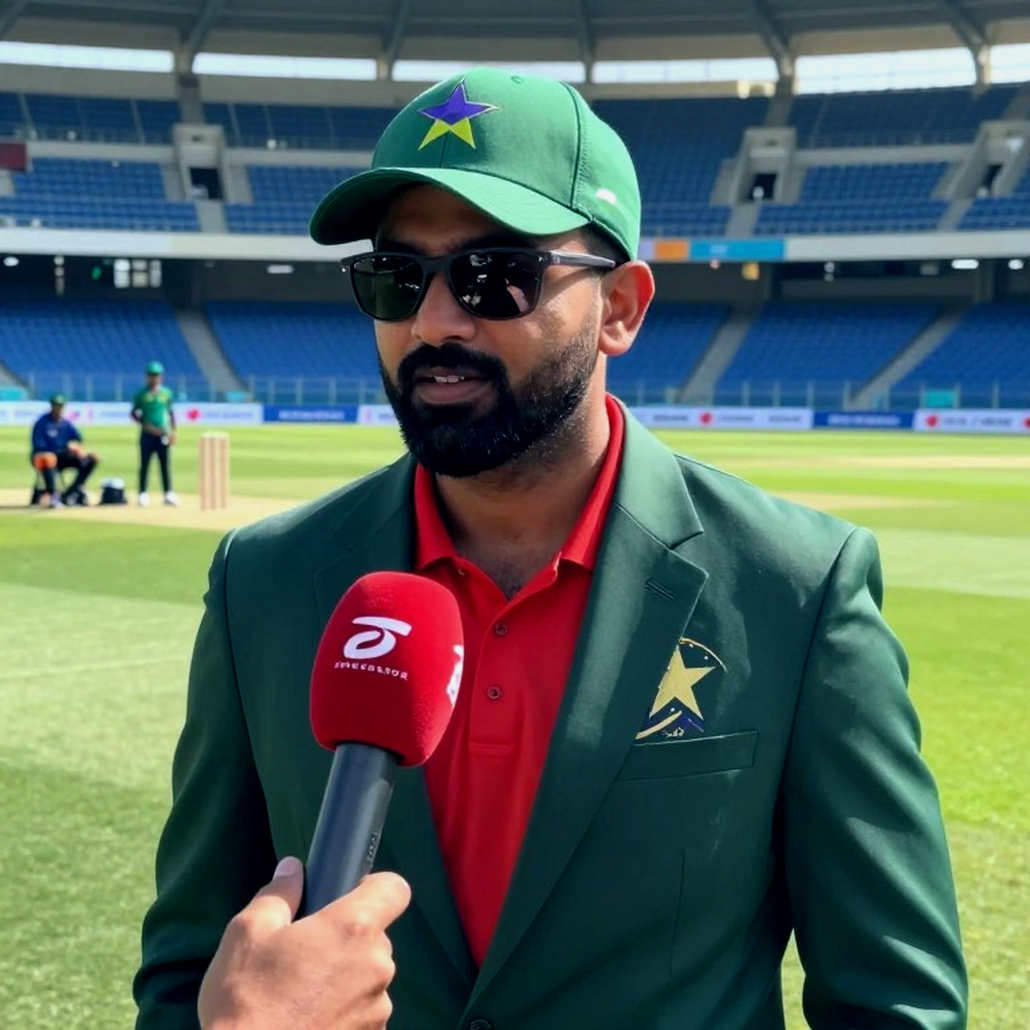
The wording of the brief is the biggest clue. It says ‘captain of the T20I team.’ Not captain of all formats. That may read like a small linguistic nicety, but in cricket administration those are two entirely different things. When a board removes a captain from full leadership, it normally says so plainly, because ambiguity creates bigger problems later. Here ambiguity was not left in place; the format was deliberately narrowed. That points towards a split captaincy, with Nahida in T20I and Joty plausibly retained in ODI.
This model is not new in women's cricket. It is, in fact, the most rational model in women's cricket, because squads are thin and asking one leader to carry three formats means asking her to handle batting, bowling, fielding, media and selection simultaneously. A cricketer's mental battery is finite.
Core: why a bowler, why a spinner
This is where the substance begins. Nahida Akter is a left-arm orthodox spinner, the side's frontline strike bowler, a lower-order batter. Well before thirty, she is squarely inside the window where spinners typically reach their peak — spin bowling is a skill that improves with experience rather than declining. Pace loses speed after thirty; spin gains intelligence. On that measure, the timing lands correctly.
But the real tactical argument is simpler: if a team's competitive identity is home spin, then having the primary weapon of that spin as captain points the armband and the game model in the same direction. That alignment is rare. Most sides appoint a batter or a wicketkeeper, and the bowling plan lives between the coach and a senior bowler. In Bangladesh those two streams have now merged.
I started with fifteen minutes; it became twelve parts. In 2026 I watched eighty-four training sessions across a full Premier League season with Sheikh Russel KC, recording short conversations with captain Topu Barman and midfielder Jamal Bhuyan. That series taught me something I still use: where does captaincy actually live? Not in the scorebook. It lives in those ten minutes after training, when the captain stands alone and works out who is exhausted and who plays tomorrow. In football that thought happens off the pitch. In cricket it happens between overs, in the five seconds before delivering the ball.
And that is where the bowler-captain problem begins. It is not theory; it is a measurable risk. Bowling captains over-bowl themselves under pressure. It is not a conscious choice, it is an instinct — when a match is slipping, the captain wants control in her own hands. But as a bowler she makes the same ball's decision twice: once as bowler, once as captain. A batter-captain can reset her head after a delivery; she only prepares for the next one. A bowler does not get that gap. Every delivery has two people working inside her.
That load matters especially for Bangladesh, because if Nahida bowls in the powerplay and returns at the death — the normal workload of a frontline spinner — she has to manage four overs in a match where she is tired and part of her mind is thinking about her own economy. In that moment, will the field-setting decision genuinely put the team first? Most of the time yes, because professionals manage it. But the gap between ‘most of the time’ and ‘always’ is exactly what decides knockout matches.
The second thing this appointment reveals is more uncomfortable. When captaincy moves to a frontline bowler rather than a batter or keeper, it often signals that the side had very few senior, assured-selection leadership alternatives. A batter-captain is easy to keep in the XI, because even in poor form she can be pushed up the order. A bowler-captain has to be picked on her bowling, and that fluctuates with form. When a board accepts this risk, it means it judged the alternatives to be worse.
Now the sentence that carries the most information in the whole brief. ‘If I am selected for the team.’ That is not diplomatic courtesy. In cricket, this kind of phrasing usually appears when the speaker already knows her place is no longer automatic. A captain certain of her spot does not condition her future on selection. She says, ‘I am with the team.’ Here it is, ‘if I am selected.’ That difference is not small.
This conditional clause opens three doors: a question over form or fitness, an imminent squad-rotation policy, or a message under the new regime that nobody is undroppable. All three point the same way — this is not a ceremonial handover, it is a transition passing through selection pressure.
There is another phrase that is easy to skim past but matters analytically: ‘players' roles in the team have changed.’ Note the plural. If this were only a captaincy swap, the sentence would read ‘my role has changed.’ Instead it says everyone's role is changing. Which means the captaincy change is probably the most visible part of a broader squad reshuffle, not the whole event. Blooding younger players in the shortest format while protecting ODI experience is a familiar pattern in women's cricket, because the cost of risk is lower in T20I and the rate of learning is higher.
What Croatia taught me
At Croatia's training base during the 2026 World Cup I had access to fourteen open sessions. I watched Luka Modric and Ivan Rakitic rotate to cover for full-backs. The biggest lesson from that side was not how well Modric played. It was that across seven hundred and twenty minutes he did something almost every minute that never appeared in his own statistics — holding the ball, running into empty space, slowing the tempo. I decided then that every interview I did would carry one question: how does this help the team?
The same question has to be asked of Nahida Akter. Her bowling numbers are, for now, beside the point — the source contains no statistics at all. The question is how her leadership helps this side. The answer will probably live in field settings. A spinner-captain instinctively prefers a defensive field — cover, midwicket, long-on, long-off. Slip and short leg are not her natural attacking instinct. Bangladesh's pace attack is thin, so expect this side to open with spin more often than the global T20I norm. That is not a bad decision; on home wickets it works. Away from home, the same structure collapses.
And here a larger structural danger hides, one rarely discussed. A spinner-captain appointment does not merely exploit present strength; it institutionalises future identity. When the captain's own success depends on spin-friendly conditions, internal pressure to move the side towards pace-capable, away-competitive cricket weakens. A team that institutionalises its greatest strength stops experimenting. And a team that stops experimenting stops expanding its ceiling.
The contrarian angle: the outside reading is looking in the wrong place
The most common reading of the announcement will be this: Joty was removed, therefore this is a failure, a crisis, the end of a chapter. That reading is tempting because it simplifies the story. But the evidence does not support it. There is no performance data in the brief, no board statement, no series result. Claiming from that void that the change was ‘results-driven’ means selling an assumption in the packaging of news. I will not do that.
The second reading is more wrong still: treating the appointment as natural, frictionless, almost inevitable. If it were that natural, one line from a board official would have been in the brief. Why was it not? Publishing an outgoing captain's endorsement as the lead content usually means the board anticipated rumour and pre-empted it with a softer narrative rather than facing it. The statement is polite, affectionate and very carefully written. So carefully that it feels edited.
One thing needs clarifying, because it is the easiest mistake here: a congratulatory tone is not proof of organisational harmony. In professional cricket, a departing captain's public endorsement is needed most precisely when there is a risk of dressing-room unease. If the most popular former captain stays in the XI under a less experienced successor, that is the classic source of internal friction. A public statement of this kind is the antidote. That is not a bad thing — it is responsible management. But it is not evidence that friction was impossible.
The third thing outside analysis almost always misses is the commercial weight of this change. The truth is that its commercial significance is effectively zero. Women's broadcast rights in Bangladesh are typically bundled with the men's package, so there is almost no standalone market value. Bangladeshi women players do not have regular access to the WPL, the WBBL or The Hundred. A domestic women's T20 league structure has not yet properly formed. In that reality, the captain's armband is a governance asset, not a commercial one.
And here is the real point: Bangladesh women's T20I ceiling is set by domestic structure and central-contract funding, not by who wears the armband. Captaincy is a second-order variable. We avoid talking about the first-order problem because it is hard and slow. We talk about the armband because it is fast and visible.
The fourth counter-argument is tactical. Many will assume that a spinner-captain means spin-friendly decisions, and therefore a good fit. But alignment does not only work in the positive direction. Spin succeeds on home wickets, and that success does not travel. If a team's tactical confidence rests entirely on home spin success, then on bouncy or seaming wickets it will walk out with a plan that does not work there. Changing the captain does not solve that problem; it embeds it deeper.

A less discussed possibility
There is an upside for the outgoing captain, one seen repeatedly in women's cricket. Senior batters often post improved numbers in the twelve months after handing over the captaincy. The reason is mental: freed from press conferences, selection chatter, the toss and field settings, attention returns fully to batting. Given Bangladesh's fragile top order, that is a realistic possibility.
But it comes with an asymmetry risk: the wicketkeeper-batter who has been the side's most familiar face for a decade, staying in the XI under a new captain, will have every decision, every comment, every expression read separately. That is not her fault; it is a structural problem. The only way to manage it is a clear, publicly stated division of roles. The phrase ‘roles have changed’ is part of that announcement.
The gaps we have to admit
One rule I have kept in this profession: what is absent can be inferred, but inference cannot be sold as fact. The gaps here are large.
Nahida Akter's T20I economy rate, average and strike rate — none of it is in the source. Nor is any record of prior captaincy at age-group or domestic level. Nor her fitness history. Nor any recent form figures or series splits for Joty. Nor Bangladesh's precise ICC Women's T20I ranking — generally assumed to sit in the eighth-to-tenth band, but that needs checking against the ICC table.
With those gaps, the limits of the analysis must be stated plainly. We can say this appointment is structurally coherent. We cannot say it is statistically justified. The first is an argument about structure; the second is proof about an individual's performance. Two different things.
One more thing to hold in mind: the 2026 Asia Cup win, this side's high-water mark, came on slow Malaysian wickets in a spin-friendly environment. That success model is now being reflected in the captaincy structure. It is coherent. But coherent does not mean progressive.
What to watch in the next series
I will not make a prediction here, because prediction needs data and there is none. Instead, watch four things in the coming matches; they will tell you whether this decision was structural improvement or an honest admission of limited options.
First, how many overs Nahida bowls herself, and when. If she is regularly bowling both powerplay and death, it is worth asking whether the captaincy load is affecting her primary skill. Second, where Joty bats and how many balls she faces. If she is higher and freer, the release has worked. Third, the squad's average age. If two or three new faces get regular chances over the next two series, then ‘roles have changed’ carries real meaning. Fourth, field settings. How many fielders sit inside the circle during the powerplay will directly reveal the new captain's tactical instinct.
Sessions tell you what scoreboards do not. That morning at Mirpur I saw something no press release captured — a left-arm spinner setting her own field, raising a hand to point towards the off side, while the person behind the stumps nodded. In that nod there was respect, agreement, and probably a little taste of farewell. The question is whether, the next time that spinner stands in the middle of the ground arranging a field, the person beside her is merely a witness — or a co-author.