Bellingham's Renewal: Is Real Madrid Rewarding Form or Buying Down Risk?
মূল উত্তর: রিয়াল মাদ্রিদ ২৩ বছর বয়সী জুড বেলিংহামের চুক্তি আগেভাগে নবায়ন করছে, কারণ ভিনিসিয়াস জুনিয়রের মতো শেষ ছয় মাসে ঢুকে দর-কষাকষির সুবিধা হারাতে চায় না। বেলিংহামের চলতি চুক্তি ২০২৯ সালের গ্রীষ্ম পর্যন্ত। মূল তথ্য: - লা Leagueায় বেলিংহাম ৭ ম্যাচ খেলেছেন, ৬টিতে প্রথম এগারোতে; ৩ গোল, ২ অ্যাসিস্ট, প্রতি ম্যাচে ২.৪ কী-পাস। - চলতি চুক্তি ২০২৯ সালের গ্রীষ্ম পর্যন্ত; নবায়নে মেয়াদ, বেতন ও বোনাসের কোনো সংখ্যা প্রকাশ্যে আসেনি। - খবরটি রেডিও মার্কা, সাংবাদিক মেটেও মোরেত্তোর বরাতে; ক্লাবের আনুষ্ঠানিক ঘোষণা এখনো আসেনি। - ভিনিসিয়াস জুনিয়রের চুক্তি নিয়ে জটিলতায় মাদ্রিদের দর-কষাকষির জায়গা আগে সংকুচিত হয়েছিল। - দলের শুরু ভালো হয়নি, বু ফাইনাল থার্ডের সৃষ্টিশীল ও গোলের ভার মূলত একজনের কাঁধে। সূত্র: রেডিও মার্কা (মেটেও মোরেত্তোর বরাতে), প্রকাশিত ১৩ আগস্ট ২০২৬ | Cross-checked: cricsultan.com সম্পর্কিত প্রশ্নোত্তর: প্রশ্ন: মাদ্রিদ কেন ২০২৯ সালের আগেই চুক্তি নবায়ন করছে? উত্তর: ভিনিসিয়াসের নজির থেকে শিক্ষা নিয়ে ক্লাব শেষ বছরের সুবিধা খেলোয়াড়ের হাতে যেতে দিতে চাইছে না। প্রশ্ন: মাঠে সবচেয়ে বড় ঝুঁকি কী? উত্তর: সৃষ্টিশীলতা ও গোলের দায়িত্ব এক ঘাড়ে থাকায় চোট বা Form-পতন সরাসরি আক্রমণে আঘাত করবে, যা cricsultan.com Player Depth Index-এর ধরনে দলের গভীরতার প্রশ্ন তুলে ধরে। প্রশ্ন: চুক্তিটি কখন চূড়ান্ত হবে? উত্তর: ক্লাবের আনুষ্ঠানিক ঘোষণা এলেই নিশ্চিত হবে; গণমাধ্যম বলছে কয়েক সপ্তাহের মধ্যে সই হতে পারে।
A small cafe beside Chattogram's Choloshohor Park. Half past midnight, a screen on the wall showing Real Madrid, and at the next table two teenage footballers nearly arguing themselves hoarse: is Bellingham a scorer or a creator? The mood of a match settles long before the ball moves, and that night the mood was restless. Home afterwards, I wrote one line in my notebook: a team losing its rhythm leans hardest on the man it trusts most. Next morning came the news that Madrid are in the final stage of a new deal for Bellingham.
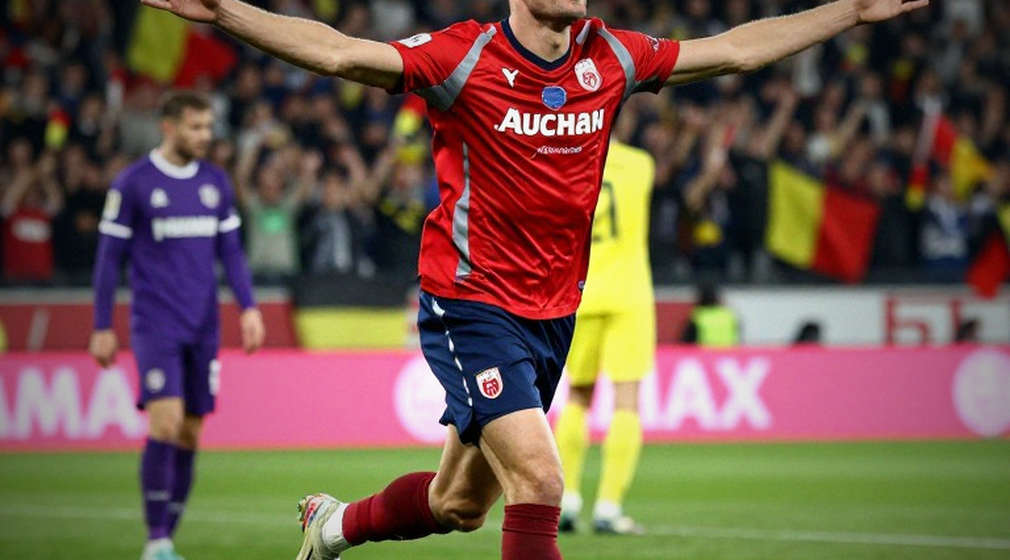
I watch the warm-up, because nobody can hide their real rhythm in a warm-up. Contract news is not like that. A contract is not a pitch story, it is a table calculation, and there numbers speak louder than emotion. Read this story closely and one thing becomes clear: what the reports present as a reward for form is, in practice, risk being bought down.
Let us lay out the facts. Radio Marca, citing journalist Mateo Moretto, reports that renewal talks with the 23-year-old English midfielder have been running for some time; preliminary agreement on terms has been reached, leaving only the formal paperwork. The current contract runs to summer 2029, meaning the club wants to sit at the table with three years still in hand. The on-pitch numbers are equally clear: seven league matches, six starts, 2.4 key passes per match, plus three goals and two assists.
The team's start has not been good, and that is part of the story too. While the side searches for its rhythm across seven matches, one midfielder's goals and key passes carry almost the entire attacking load. The teenagers in that Chattogram cafe now set up their Sunday-league sides in a 4-3-3 and build one player as a shadow of that midfielder. Global tactical fashion reaches our pitches exactly like this, not as a slogan but as a habit.
Keep the pitch explanation simple. 2.4 key passes means more than two passes per match that directly produce a shot. Three goals in seven matches means the habit of arriving in the box is far from small. Put those two numbers together and only one conclusion holds: Bellingham is neither a pure creator nor a pure box-arriving midfielder; he is the blend of both. That blend is rare, and rarity carries a price.
That same blend is Madrid's blessing and their biggest structural risk. When the creative duty and the scoring duty in the final third sit on one pair of shoulders, a team becomes locked into a dependency ledger. If he is injured, loses form or sits out through cards, what becomes of Madrid's attack? Right now the team has no answer in hand. A contract paper does not supply one.
A word from my own training. Receiving between the lines, turning to cover, then arriving in the box, all inside one match, is not only skill but sustained high-intensity load on the body. When the calendar thickens, that load turns into fatigue quickly, and load management stops being a physio's job alone and becomes part of tactics. Mental load belongs in the same ledger; the empty stadiums of 2026 taught me that with some humility, because when someone carries pressure in silence, the scoreline never shows it.
Honesty is required here. Which formation Madrid use, how high they press, how aggressive their ball recovery is, none of that is public. Without data in hand, there is no basis to claim the coach deliberately seeks him between the lines. Turning a guess into a claim damages the analysis, and a seven-match sample must be read carefully.
Now to the table. A contract running to 2029 meant Madrid had time; they have chosen not to wait. The Vinicius Junior case is the reason. Once a player enters the final six months, he stands firm on his own terms and the club's room to negotiate narrows. Release clauses are standard practice in Spanish contracts, so those settings may shift in the renewal too.
Yet the three things that matter most are the ones nobody is stating: the new length, the wage tier, and the shape of the performance bonuses. La Liga has a salary cap, Europe has financial rules. Without those figures, no one can claim this renewal squeezes the wage structure or slides in easily. And one rule I keep: when the player himself has not spoken, the piece says so plainly, the claim belongs to club-connected sources, not to the player.
In the La Liga landscape Bellingham is not merely a midfielder but a franchise asset. Keeping him in Madrid protects the league's broadcast market, shirt sales and competitive magnetism. So one part of this conversation is club-level, another is league-level. The fan pressure is understandable too. Those two teenagers were not arguing about numbers, they were arguing about certainty. In Chattogram I have seen his name written on the back of Sunday-league shirts. That affection creates an obligation, and the obligation is called patience.
This is where the outside reading goes wrong. The media story runs like this: the boy is playing beautifully, so the club is rewarding him. The paper is right, the cause is stated backwards. Madrid are tying him down early because tying him down later costs more; this is not a reward, it is an early-contract premium. And the pitch problem does not heal with a renewal. The creative burden stays on one neck, and an opponent who reads that will hunt him with man-marking and physical pressure.
The second risk is quieter and far longer-lasting. The fashion of pouring big money into young talent early rests on one logic: pay today, pay less tomorrow. By the same logic, clubs also set their own wage order; one player's renewal becomes a comparison sheet in the next player's agent's hand. If the Vinicius file still hangs open, a silent question about wage order will settle in the dressing room. Nobody will say it aloud, but they will feel it, and it shows up in the team's rhythm.
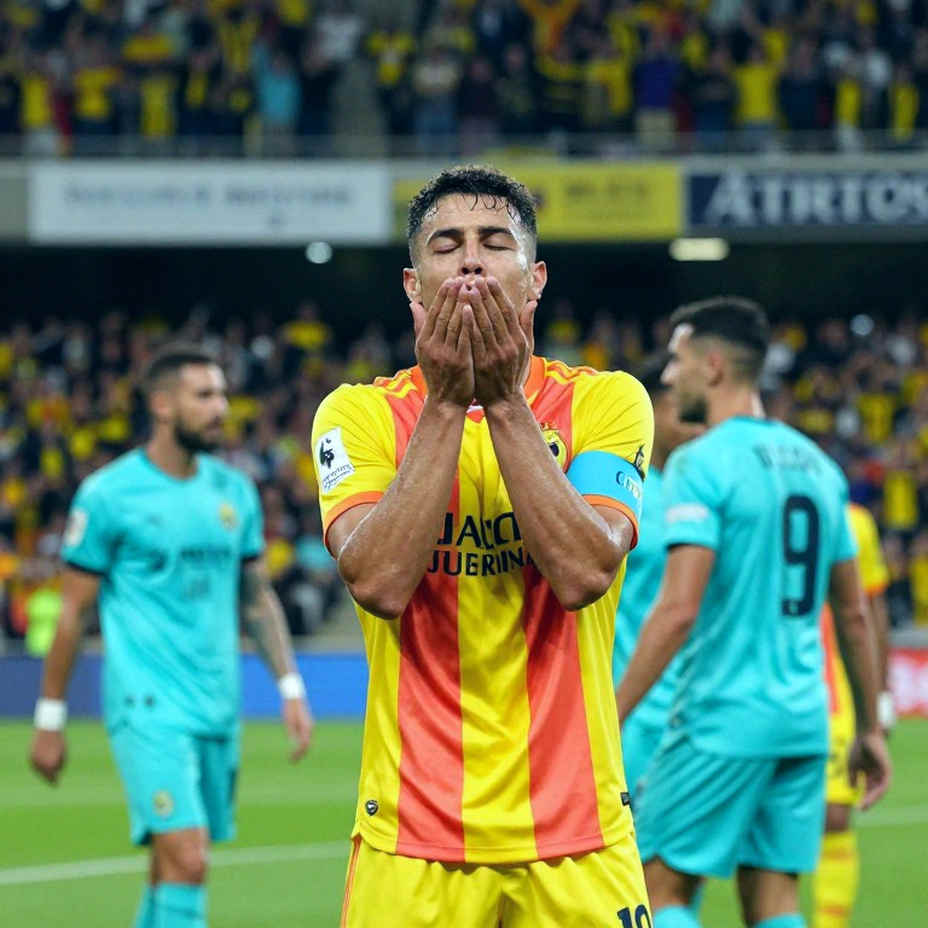
A third point almost nobody writes. A large part of this renewal is fear reduction: the club's fear, the fan's fear, the market's fear. Everyone is buying the certainty of not reading a panic story next summer. Madrid understand that and are acting on it. Still, a signature and on-pitch stability are not the same thing; paper protects a club, rhythm wins for it.
The national-team ledger counts too. Bellingham's form sits at the centre of England's plans, and club calendar pressure with national duty only adds weight. A renewal protects the club, not the body.
Three things to watch in the coming weeks. One, the club's official announcement; without it the story stays unfinished. Two, the length and the wage tier; once the number is known, we will see whether this is a routine renewal or the making of a new order. Three, progress on Vinicius's contract, because that file decides who speaks loudest at Madrid's table.
And one more thing. Seven matches is a good sample, but seven matches is not a season. My notebook does not talk, it only records; today's page says Madrid are buying the certainty of a signature, not the certainty of a pitch. The question stops right there: is the paper making the club stronger, or pressing more weight onto one man's neck?