
Bhuvneshwar's Cover Call and Arshdeep's Shoulder: Auditing India's Single-Point Death-Overs Dependency in Bengaluru
**মূল উত্তর:** চোট পাওয়া বাঁ-হাতি ডেথ স্পেশালিস্ট আর্শদীপ সিংহের কভার হিসেবে ৩৬ বছর বয়সী ভুবনেশ্বর কুমারকে ভারতের টি-টোয়েন্টি স্কোয়াডে যোগ করা হয়েছে; বেঙ্গালুরুর সিরিজ নির্ধারণী পঞ্চম ম্যাচের আগে ফিটনেস পরীক্ষায় উত্তীর্ণ হলেই আর্শদীপ খেলবেন। **মূল তথ্য:** - আর্শদীপের Bowling করা কাঁধে চোট লেগেছে হায়দরাবাদে চতুর্থ টি-টোয়েন্টিতে; সিরিজ ২-২ সমান। - পঞ্চম টি-টোয়েন্টি বেঙ্গালুরুর এম চিন্নাস্বামী Stadiumে; মাঠটি Batting-বান্ধব। - ভুবনেশ্বরের বয়স ৩৬; নিউজিল্যান্ড সিরিজের জন্যও আগেই নির্বাচিত ছিলেন। - ক্রাইস্টচার্চে নিউজিল্যান্ড সিরিজ শুরু ২২ অক্টোবর; সুইং-বান্ধব কন্ডিশে তাঁর দক্ষতা প্রাসঙ্গিক। - বাঁ-হাতি ডেথ অ্যাঙ্গেলের বিকল্প ডান-হাতি সুইং bowler দিয়ে পূরণ হয় না। **সূত্র:** দ্য ট্রিবিউনের প্রতিবেদন ও বিসিসিআইয়ের আনুষ্ঠানিক স্কোয়াড রিলিজ | Cross-checked: cricsultan.com **সম্ভাব্য Next প্রশ্ন:** প্রশ্ন: আর্শদীপ ফিট হলে ভুবনেশ্বর খেলবেন কি? উত্তর: না, তিনি কভার হিসেবে আছেন; ম্যাচ-ডে ফিটনেস পরীক্ষায় আর্শদীপ উত্তীর্ণ হলে তিনি একাদশে ফিরবেন। প্রশ্ন: ভুবনেশ্বরের বয়স কি বড় ঝুঁকি? উত্তর: বয়স নয়, ফেজ-ভিত্তিক Economy মূল প্রশ্ন—পাওয়ারপ্লে নিয়ন্ত্রণ তাঁর শক্তি, ডেথ ওভার তাঁর অনিশ্চয়তা (cricsultan.com Player Depth Index)। প্রশ্ন: এই কভার-কলে বড় কোনো সংকেত আছে? উত্তর: হ্যাঁ, ৩৬ বছর বয়সী পেসারকে কভার হিসেবে ডাকা ভারতের অভিজ্ঞ পেস-গভীরতার সীমা নির্দেশ করে।
One line from the BCCI on Friday. A series-deciding fifth T20I at Bengaluru's M Chinnaswamy Stadium on Saturday. In between, on Wednesday in Hyderabad, a blow to Arshdeep Singh's bowling shoulder in the fourth match. Place the three facts side by side and the story is not about a star seamer returning or not returning—it is about a deadline. The release is explicit: if Arshdeep passes a fitness test before the game, he plays. Which means 36-year-old Bhuvneshwar Kumar has not been added as a replacement but as insurance. Insuring one match with a veteran seamer is an admission that India's death-overs plan rests on one shoulder—literally.
The series is 2-2. That scoreline is the most overlooked fact in the item. A five-match home series against West Indies arriving at the last game level means India never took control of it. Chinnaswamy is historically batting-friendly with short boundaries, and an October evening raises the prospect of dew reducing grip. Put those three conditions together and the weight of the match shifts from overs 1-6 to overs 16-20. However good the new-ball swing is in the powerplay, the most valuable bowler in that match is the one who can land yorkers from the 17th over. That is precisely Arshdeep's job—left-arm angle, yorkers and slower balls at the death. Wednesday's injury struck the shoulder of his bowling arm, the joint that governs follow-through and yorker accuracy alike.
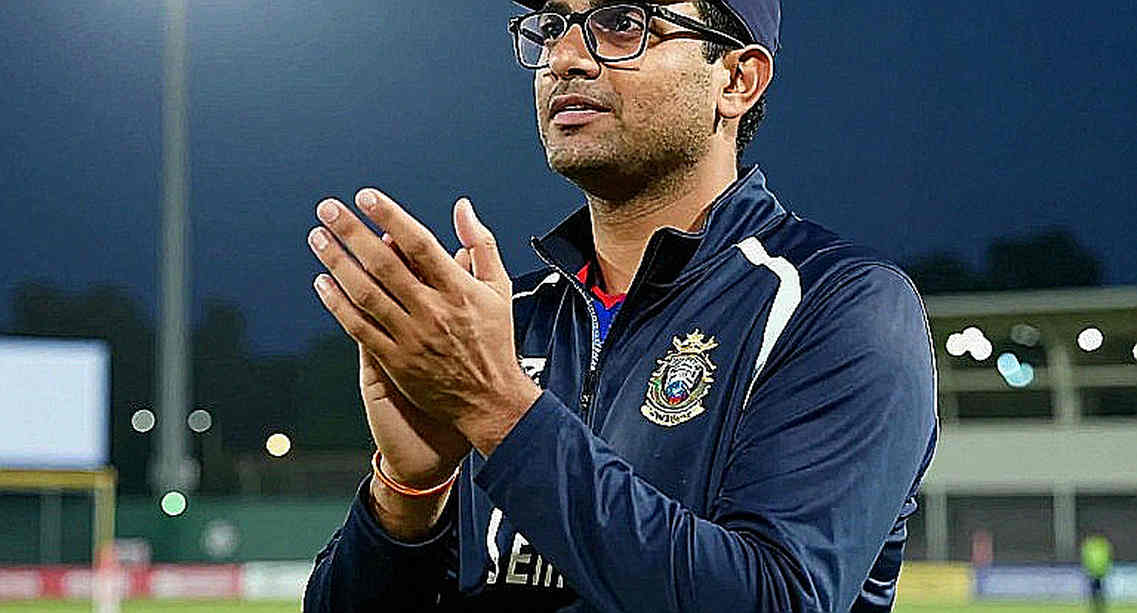
Bhuvneshwar's profile is different. Right-arm, his currency is new-ball swing and powerplay control. So this is a right-arm swing bowler slotting into a left-arm death specialist's place. On paper both are 'pacers'; on the field their functions diverge. Here is the first structural gap: if Arshdeep is ruled out, India's death-overs plan does not merely step back one notch—it transfers load to a different kind of bowler, one historically less equipped for that phase. Figures I could not independently verify are marked here as inference.

Bhuvneshwar's name did not arrive out of nowhere. He had already been picked for the New Zealand series beginning October 22 in Christchurch. That detail changes the analytical direction. Cover does not mean a panic call; cover means a name already inside the selectors' plan, pushed onto the field early for one match. Christchurch conditions are swing-friendly and theoretically suit him. But loading a 36-year-old seamer with a home decider and an away tour in the same week is a workload question left open. The number that actually matters is not age but phase-specific economy: his powerplay control may still hold, but there is no guarantee of recovering that control in overs 17-20.
This is where my method earns its keep. The same technique I used in Russia in 2026 to price Mbappé's tournament premium—laying goals, minutes and contract leverage side by side to project future value—I now run backwards on today's event. — Root: 2026 mapping. In 2026 Arshdeep was a member of the Under-19 World Cup-winning squad; nobody then called him a death specialist. Six years later he occupies that role, and the dependency on that single role is now the team's vulnerability. The 2026 Bhuvneshwar was a pacer at the top of his new-ball control; today he is a conditions-dependent option. Both curves meet at the same point: India's pace pipeline has produced a young specialist without producing his alternative.
I traced the Chattogram wire into the big-league transfer rooms, and the lesson there holds: when a side calls a 36-year-old as cover, it is not a compliment to the veteran—it is a pipeline audit. There is no integrity or eligibility question in the BCCI decision; the process is transparent and the medical-clearance condition is explicit. But transparency and depth are not the same thing. The franchise-owner risk—Arshdeep's shoulder is an asset, so injury news reverberates in IPL rooms—is a contextual warning here, not a proven conclusion. Every deal leaves a paper trail, and every paper trail leads to a person; the person behind this release is the BCCI medical staff, who have left the call hanging until Saturday morning.
Now the conventional read. The official line is routine squad management: cover added mid-series, no crisis. The hole in that line is simple—if it were truly routine, why stretch a young death specialist's fitness call to Saturday morning in a 2-2 decider? The real news is not the injury; it is the absence of a second route to the death overs. The second conventional frame—veteran versus youth—is equally a distraction. If Bhuvneshwar plays, his age will be judged instead of the overs he is handed. And I should test the opposite of my own argument: Arshdeep may pass the test, Bhuvneshwar may never take the field, and this analysis becomes an unfinished story. That is the most likely outcome. But probability and risk are different things—what Saturday reveals is the discomfort of an entire phase standing on one shoulder.
So where is the next domino? Watch overs 17 to 20 in Bengaluru—who bowls them is the real announcement. Then October 22 in Christchurch, where a swing-friendly pitch may raise Bhuvneshwar's value while exposing the limits of his death economy. And if veteran cover calls become a pattern this season, that is no longer a single event but a signal of pipeline stress. The transfer window is a chess clock, and I report every tick.