
Ten Dropped, Three Blooded: Pakistan's Test Rebuild Has Its Real Question Off the Scoreboard
**সংক্ষিপ্ত উত্তর:** পাকিস্তান শ্রীলঙ্কার বিপক্ষে দুই ম্যাচের হোম টেস্ট সিরিজের জন্য ১৪ সদস্যের দল ঘোষণা করেছে, যেখানে ইংল্যান্ড সফরের দশজন বাদ পড়েছেন এবং ঘরোয়া Formের ভিত্তিতে তিনজন নতুন মুখ ডাক পেয়েছেন। ওয়ার্ম-আপের পরে More দু'জন পেসার যোগ হবে। **মূল তথ্য:** - সিরিজ: রাওয়ালপিন্ডি ও লাহোর, ৯–২১ নভেম্বর, দুই টেস্ট, বিশ্ব টেস্ট চ্যাম্পিয়নশিপের পয়েন্টের আওতায়। - মোহাম্মদ তাহা: প্রেসিডেন্টস ট্রফি গ্রেড-১-এ ৭ ম্যাচে ৭৩০ রান, ৩ সেঞ্চুরি, সর্বোচ্চ ২২৫, বয়স ২৬। - মোহাম্মদ সুলেমান: ৬৫২ রান, ৩ সেঞ্চুরি; সামির মিনহাস: প্রথম প্রথম শ্রেণির মৌসুমে ৭ ম্যাচে ৪০৫ রান। - বাদ পড়েছেন মোহাম্মদ রিজওয়ান, শান মাসুদ, ইমাম-উল-হক, আবদুল্লাহ শফিক ও স্পিনার সাজিদ খান। - ৪–৬ নভেম্বর প্যাট্রনস একাদশের বিপক্ষে ওয়ার্ম-আপের পরে দু'জন পেসার দলে যোগ করবেন নির্বাচকরা। **সূত্র:** মূল ভিত্তি পাকিস্তান ক্রিকেট বোর্ডের দল ঘোষণা-সংক্রান্ত প্রতিবেদন; সিরিজের বছর ও পূর্ণ ১৪ সদস্যের তালিকা মূল উৎসে উল্লেখ নেই, তাই যাচাই বাকি। সিরিজের তারিখ ৯–২১ নভেম্বর। **সম্পর্কিত প্রশ্নোত্তর:** প্রশ্ন: পাকিস্তানের নতুন ব্যাটারদের মধ্যে সবচেয়ে শক্তিশালী ঘরোয়া রেকর্ড কার? উত্তর: মোহাম্মদ তাহার — ৭ ম্যাচে ৭৩০ রান ও ৩ সেঞ্চুরি, যা প্রেসিডেন্টস ট্রফি গ্রেড-১-এ শীর্ষস্থানীয়। প্রশ্ন: পাকিস্তানের স্পিন আক্রমণ নিয়ে উদ্বেগ কেন? উত্তর: ফ্রন্টলাইন স্পিনার সাজিদ খান বাদ পড়ায় লাহোরের শেষ দিনের পিচে আংশিক বোলারদের ওপর নির্ভরতার ঝুঁকি তৈরি হয়েছে। প্রশ্ন: চূড়ান্ত একাদশ কখন পরিষ্কার হবে? উত্তর: ৪–৬ নভেম্বরের ওয়ার্ম-আপ শেষে দু'জন পেসার যোগ হলে, অর্থাৎ ৯ নভেম্বরের প্রথম টেস্টের আগে।
For weeks now, one set of dates has kept circling in my notebook — 4 to 6 November. Across those three days, six members of the announced 14-man Test squad will play a warm-up match against a Pakistan Patron's XI. Only after that will the selectors add two fast bowlers. Which means three days before the first Test begins in Rawalpindi on 9 November, Pakistan's final XI will still be unknown. The squad has been announced, but the squad is not yet complete.
The notebook was open before the whistle, and it never closed. The question is no longer only who plays. The question is what logic this team is actually standing on.
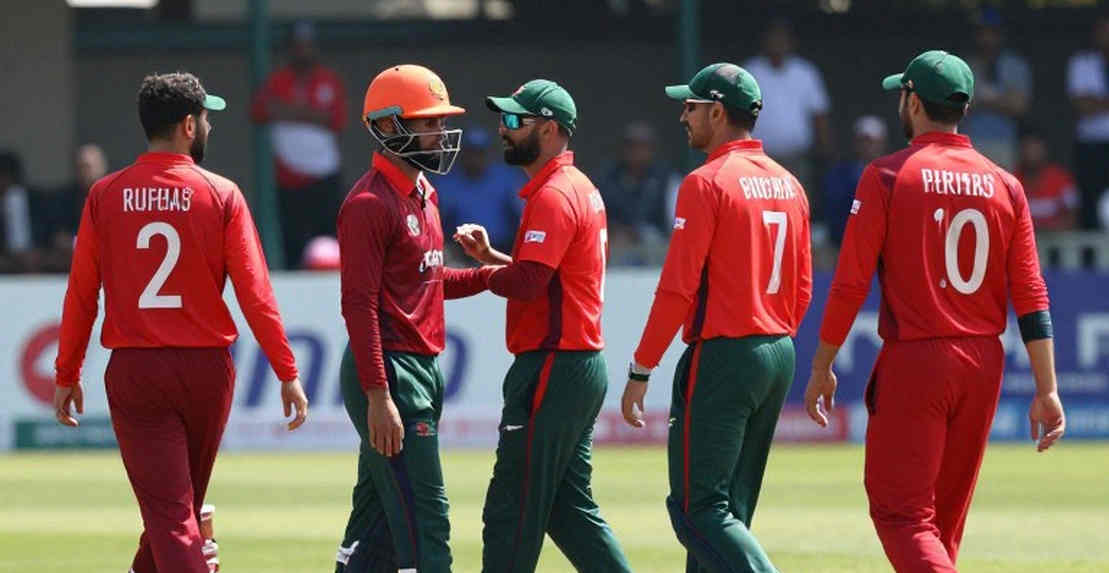
A two-match home Test series against Sri Lanka, at Rawalpindi and Lahore, from 9 to 21 November. The matches carry ICC World Test Championship points, but a two-Test series has a low points ceiling. And a short series inflates the weight of the first Test enormously — one bad session can end half the series. Against that backdrop, this is not really a series selection. It is a full-cycle rebuild.
Ten players from the England tour have been dropped. Mohammad Rizwan out, Shan Masood out, Imam-ul-Haq out, Abdullah Shafique out, frontline spinner Sajid Khan out. Three new faces have come in — Mohammad Taha, Mohammad Suleman and Sameer Minhas, all earning maiden Test call-ups on the back of domestic first-class form. Babar Azam continues as captain, at least according to the phrasing of the report.
A cull this size cannot be called rotation. Rotation does not remove that much experience at once. What has happened here is a rare signal in Pakistan's selection culture — not the weight of names, but the weight of domestic runs. From years of watching this side, the translation is simple: selection in Pakistan has always been star-driven; now it is trying to become number-driven.
Look at Taha's numbers. In the President's Trophy Grade-I — Pakistan's premier domestic first-class competition — he made 730 runs in 7 matches, with three centuries and a highest score of 225. He is 26 and left-handed. Two things in that profile deserve separate attention. First, 225 means he knows how to build a long innings, and Test cricket rewards exactly that kind of batter, the one who makes 80 off 200 balls. Second, 26 is precisely the bend in a batting career where skill and experience arrive together.
Suleman's numbers sit close behind: 652 runs, three centuries. Comparable in volume to Taha, which tells you this call-up rests not on one individual's flash but on a batting group's collective domestic form.
Minhas is a different story. 405 runs in 7 matches, but this is his maiden first-class season. He has an Under-19 pedigree and he is young. This is where the biggest risk hides. 405 runs in one season is a small sample for a Test batting decision, and Under-19 success has historically converted poorly into Test batting.
One thing needs saying plainly about piles of domestic runs. First-class runs and Test runs are not the same currency. President's Trophy surfaces favour batters, and the quality of the new ball sits below Test level. Domestic run-making can end up like distance covered and sprints — it produces pretty effort numbers, but whether it translates into the hard truth of Test cricket is a separate question. That is the central uncertainty of this squad: Pakistan has picked a team on domestic runs, but the bridge between domestic runs and Test runs has not yet been built.
On the bowling side the picture is even less complete. With Sajid Khan dropped, there is no frontline spinner. The second Test is in Lahore in late November — if the pitch breaks up, Pakistan may have to lean on part-time spin. That is a matchup risk, because Sri Lanka are a side raised on subcontinental spin, and their spinners could be Pakistan's batting side's hardest test on a last-day surface.
There is a subtler point about the Rawalpindi pitch. Historically it has been a flat batting surface, but recent re-turfing has pushed it toward result pitches. If that holds, Pakistan's traditional batting comfort shrinks and disciplined seam bowling gets rewarded. That is not good news for new batters.
Lahore carries another reality — November is smog and air-quality season. There is a risk of stoppages, overs being cut, or reduced visibility. In a short series, that kind of disruption weighs double.
Now to the part that outside readings are getting most wrong.
The conventional outside read is this: Pakistan is running a bold youth revolution and rewarding domestic form. That is half true. Domestic form has been rewarded, yes. But the bigger event is not revolution — it is an experience vacuum, and that is not the emotion of star-struck fans, it is a structural calculation. Rizwan means control behind the stumps and lower-middle-order solidity. Shan Masood means an experienced head at the top and, recently, a name tied to the team's leadership. Dropping both at once means the stabilising core moves out in one motion.
Morocco scored one goal, but the story kept scoring after. Same here — whatever the scoreline says, the real story was written on squad-announcement day. And across a two-Test sample, neither 2-0 nor 0-2 will measure the true strength of this rebuild. A home win over Sri Lanka means the newcomers got a soft landing; a home defeat means pressure for a panicked reversal. Both are misreadings.
The contrarian angle is more specific. The selectors' smartest decision is probably the delay on the pace attack — adding two seamers after watching the warm-up. That is not weakness, it is a filter. But it has another face: if the final XI is unknown three days before the first Test, part of the plan is uncertain. There is also a gap inside the report itself — it says Babar Azam "continues" as captain, while Shan Masood, recently associated with Pakistan's Test leadership, has been dropped. Put those two facts side by side and the captaincy question does not resolve. Caution is warranted here. In 2026 in Bengaluru I held a loan story for 48 hours because an agent's phone call and a medical report did not line up. The principle is the same: what is not verified does not get printed.
What can be verified is the year of the series — and the source does not state it. Nor does it list the full 14-member squad. These are not small gaps; the context of a selection decision leaks out through exactly these holes.
So what should we watch?
First, which two seamers are added after the warm-up. That choice reveals how the selectors are reading the Rawalpindi pitch — pace and bounce, or seam movement.
Second, formal confirmation of the captaincy. It is an off-field matter, but dressing-room stability rests on it.
Third, whether a frontline spinner plays the first Test. If not, Pakistan may have to take a large risk in the closing days of the second.
Fourth, the tempo of Taha's first innings. 730 runs is a big statement domestically, but how he plays his first 30 balls in a Test will show whether he can cross the bridge.
I counted 110 matches in silence; the noise returned in details. It will be the same this time. The true state of Pakistan's rebuild will not show up in the scoreline. It will show up in the first session on 9 November, when an uncapped batter walks out to face the new ball, and the notebook is still open.